
Sealing guides
Clear technical answers — no filler, no invented claims.
Nothing matches that search and topic.
-
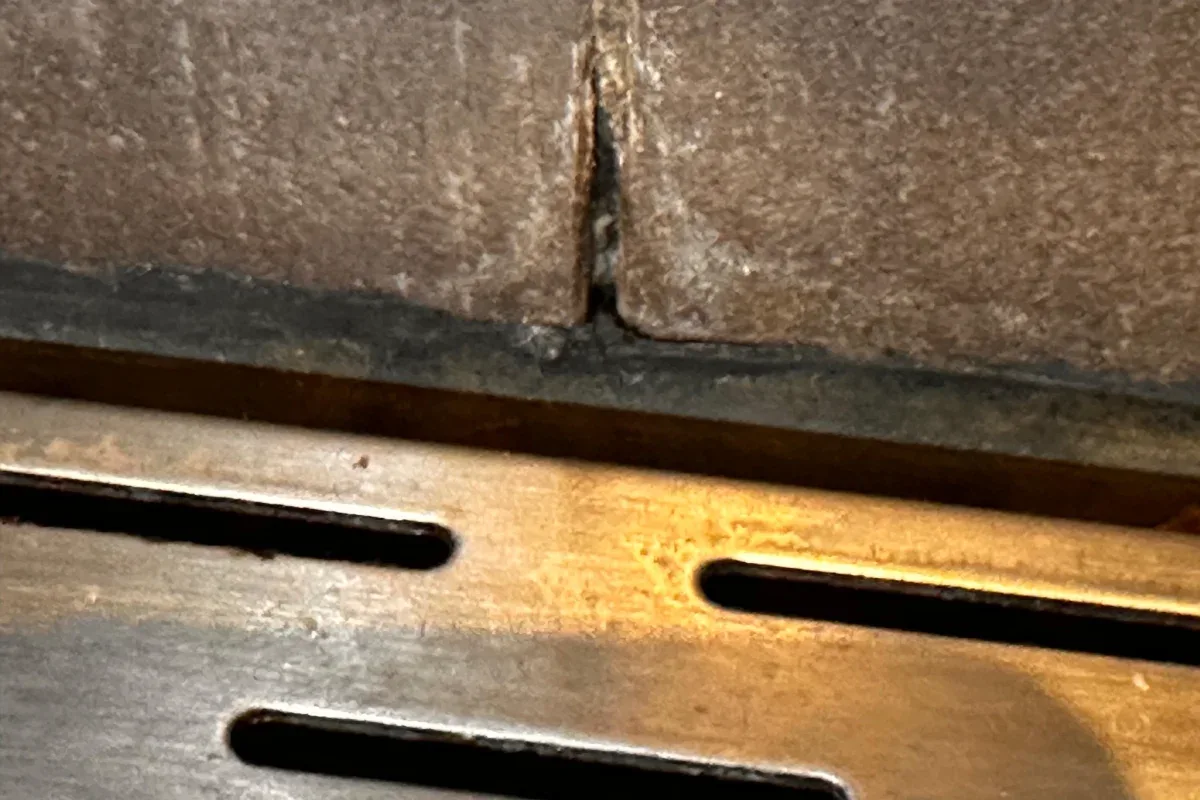
A hollow or ragged joint: the finger and the washing-up liquid
A fingertip leaves a gutter where water sits. Washing-up liquid attacks the still-wet flank and a thin smear frays.
-
A shower tray that moves: sealant will not hold it still
An elastic joint is a seal, not a support. Stabilise the tray as its manufacturer specifies, then reseal.
-
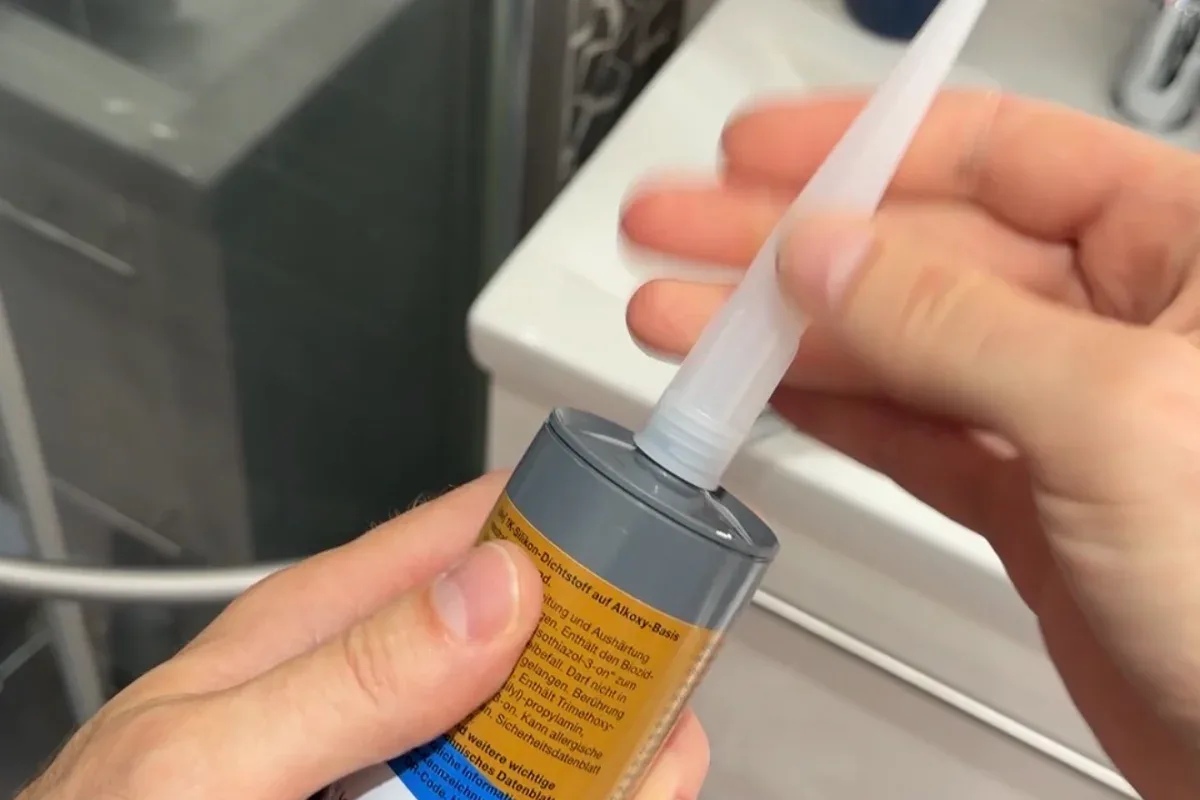
Acetoxy or neutral: the vinegar smell is not a fault
A vinegar smell marks an acetic cure: it grabs glazed ceramic well, and the acid bites stone and sensitive metal.
-
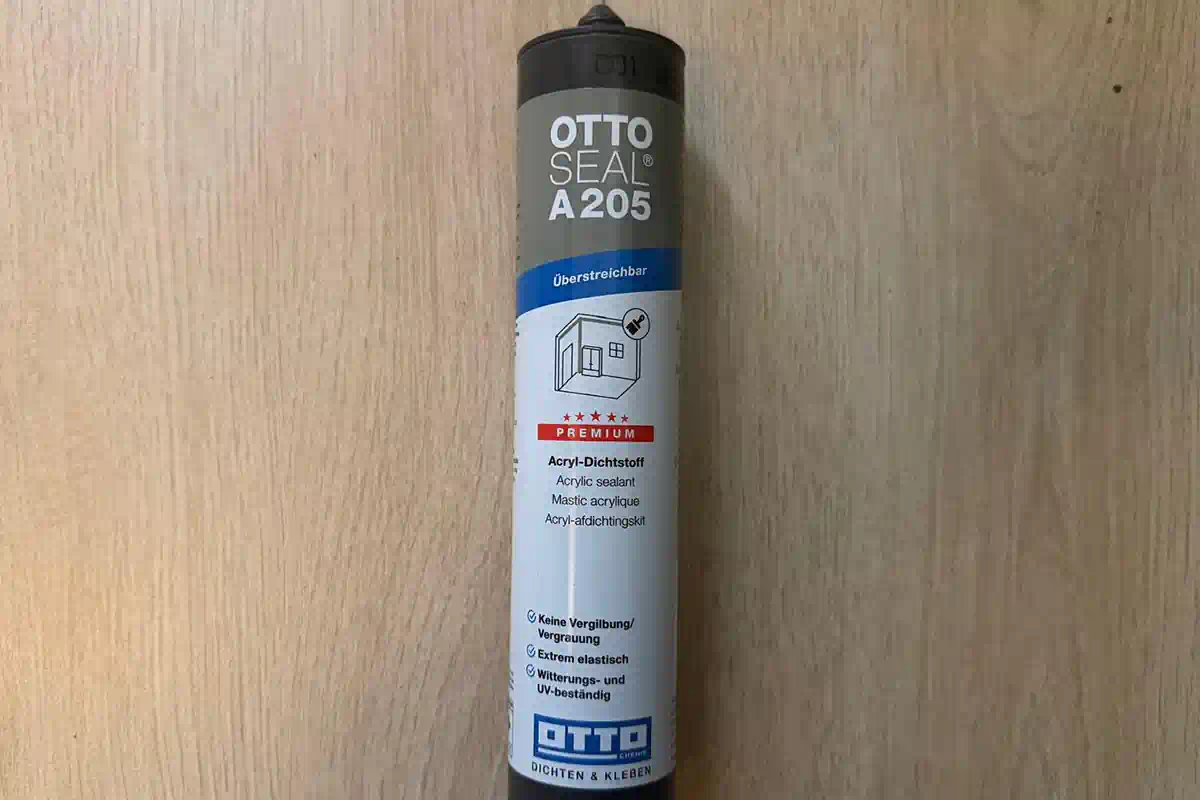
Acrylic sealant in the shower: why it will not hold water
Acrylic and silicone are different chemistries. In a wet zone acrylic can soften and fail; silicone is the usual wet-room joint.
-
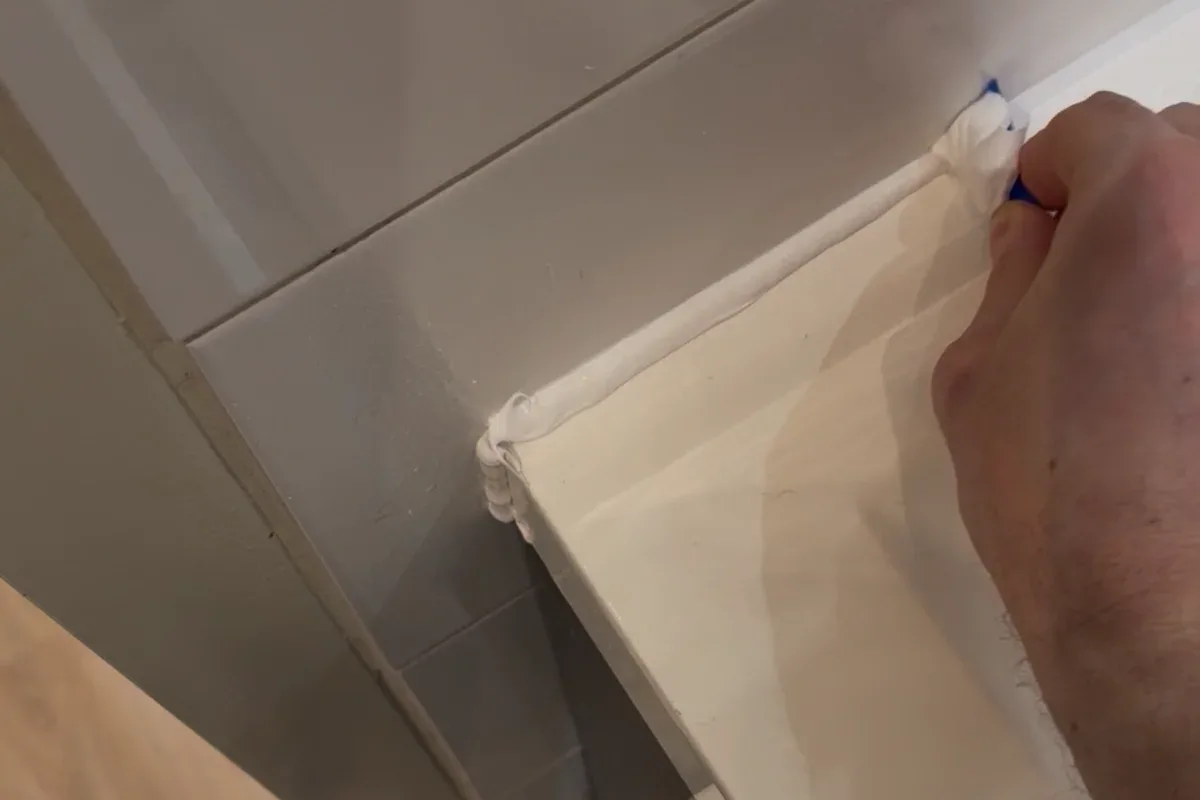
Bathroom corners: grout or silicone
Wall-wall and wall-floor internal corners take an elastic joint. Cement grout cracks there; silicone does not replace the waterproofing band behind the tile.
-
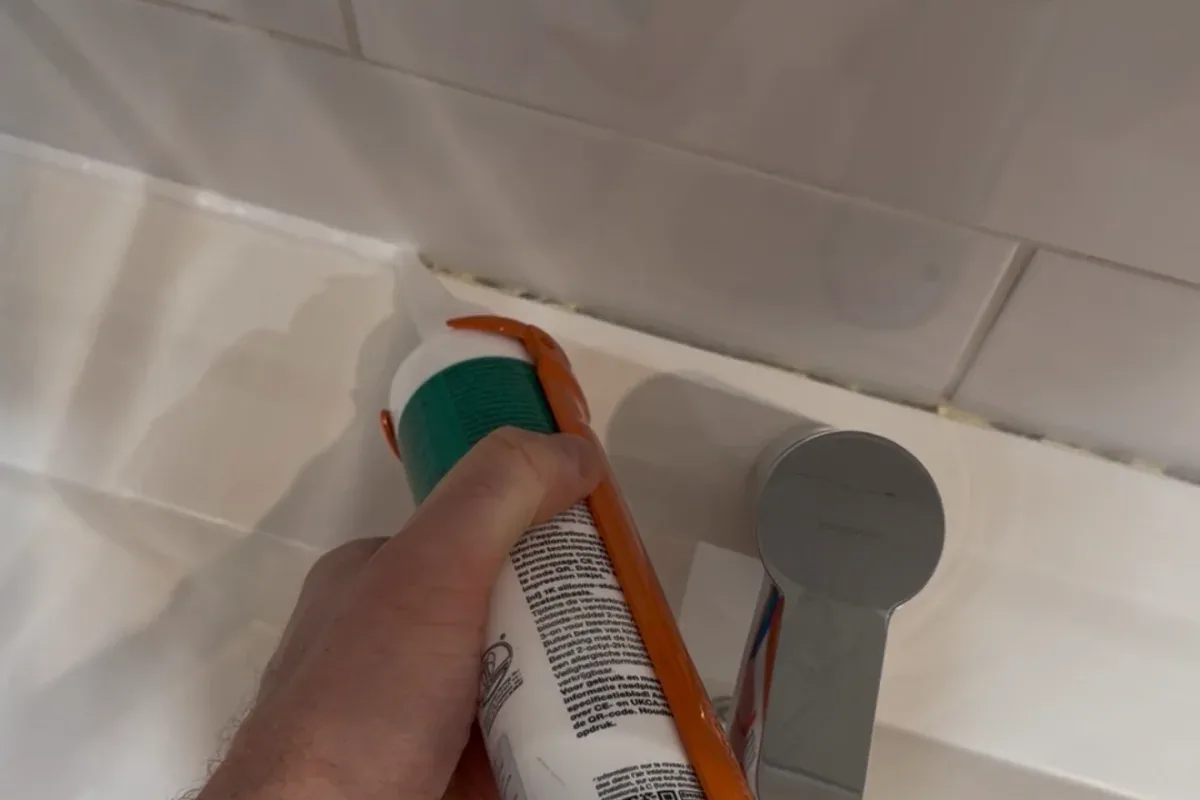
Can I put new silicone over the old layer?
Cured silicone will not take a chemical bond. You get a cold joint and water creeps between the layers.
-
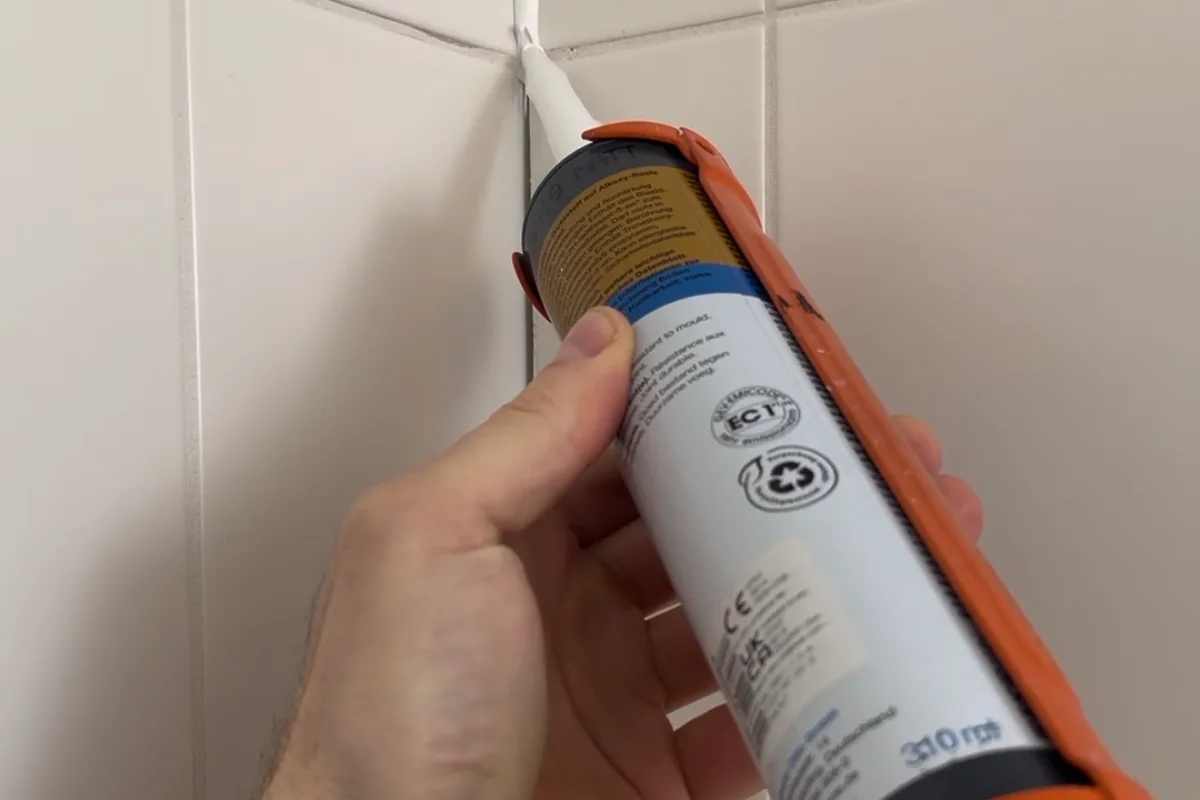
Can you paint the joint? Silicone no; acrylic yes
Paint pulls off silicone; in the shower you buy the cartridge colour, not a brush.
-
Do you fill the bath before sealing?
Acrylic and thin steel often sag under weight. Filling is not a universal rule: watch how that bath moves and what its maker asks.
-
Do you seal the toilet to the floor?
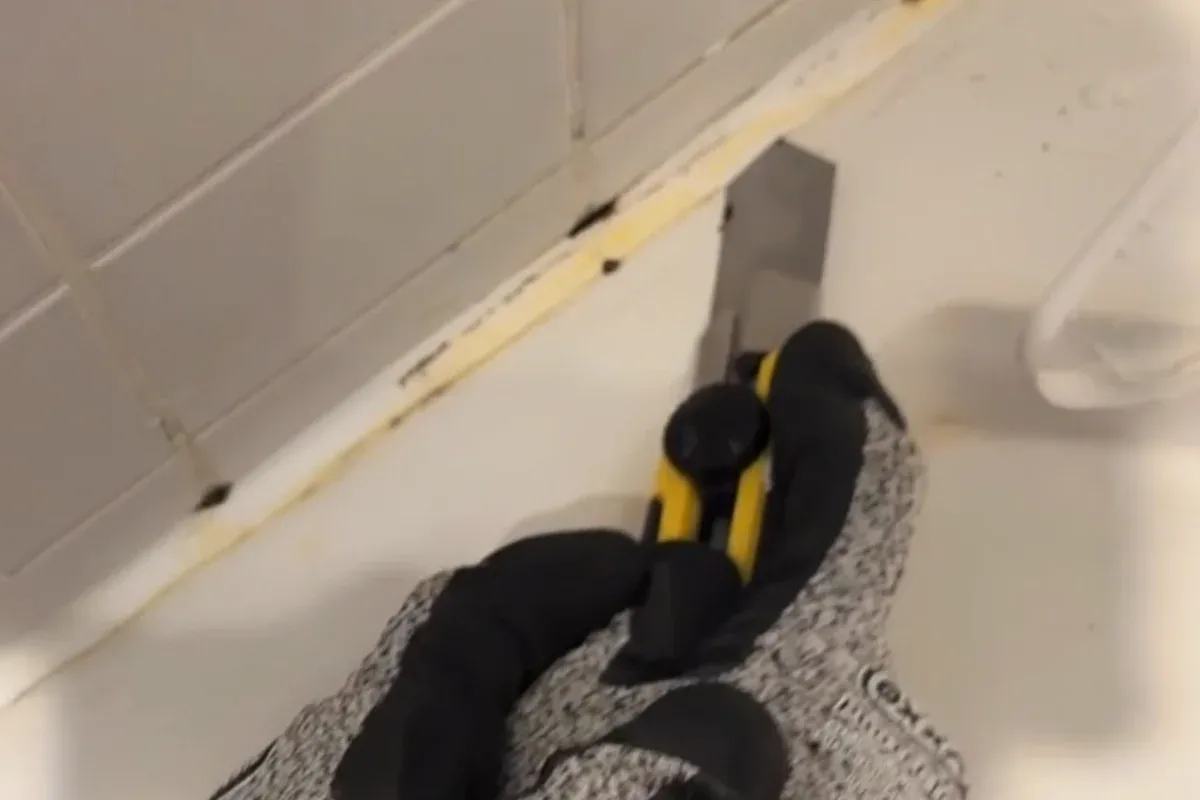
Floor-standing, yes: so mop water stays out. Wall-hung: sides and top; sometimes a witness gap below.
-
Floors and skirtings: acrylic on top, not underneath
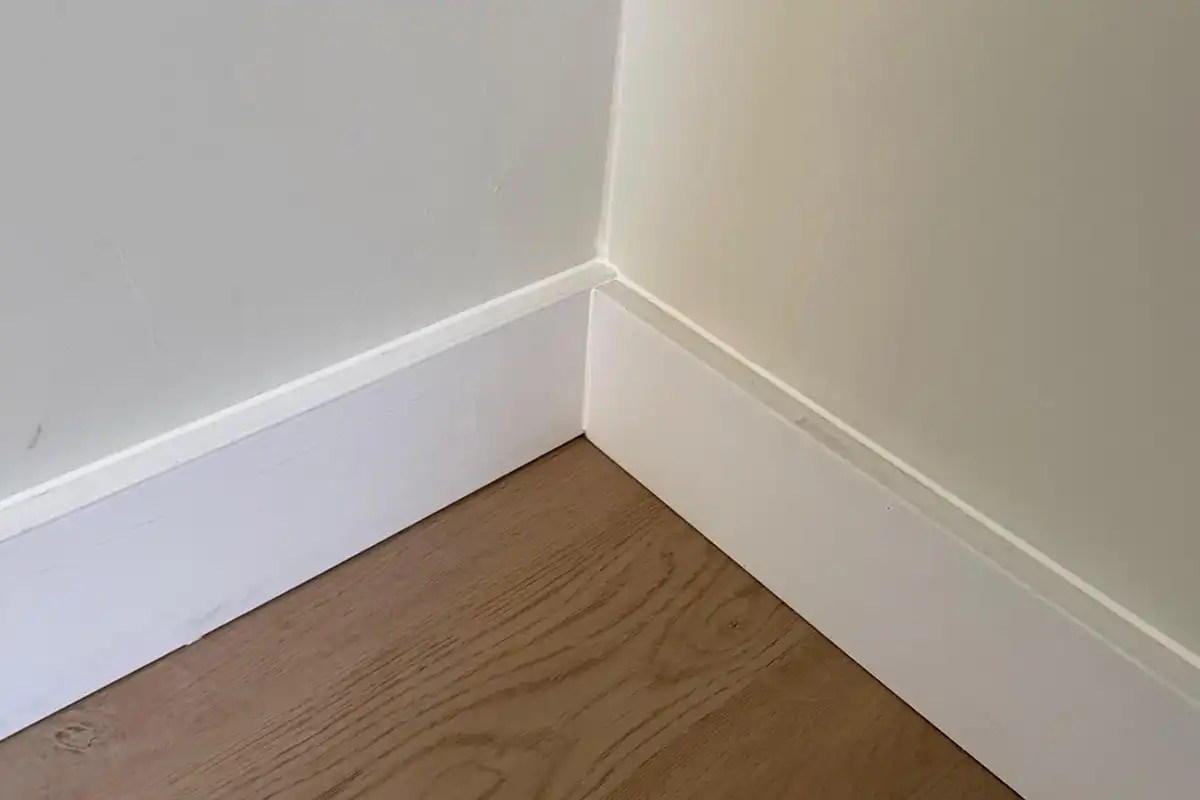
Under the skirting there is mop water, movement and, on PVC, plasticisers; on top there is paint. That is two different cartridges.
-
Getting silicone off glass, tile and clothes
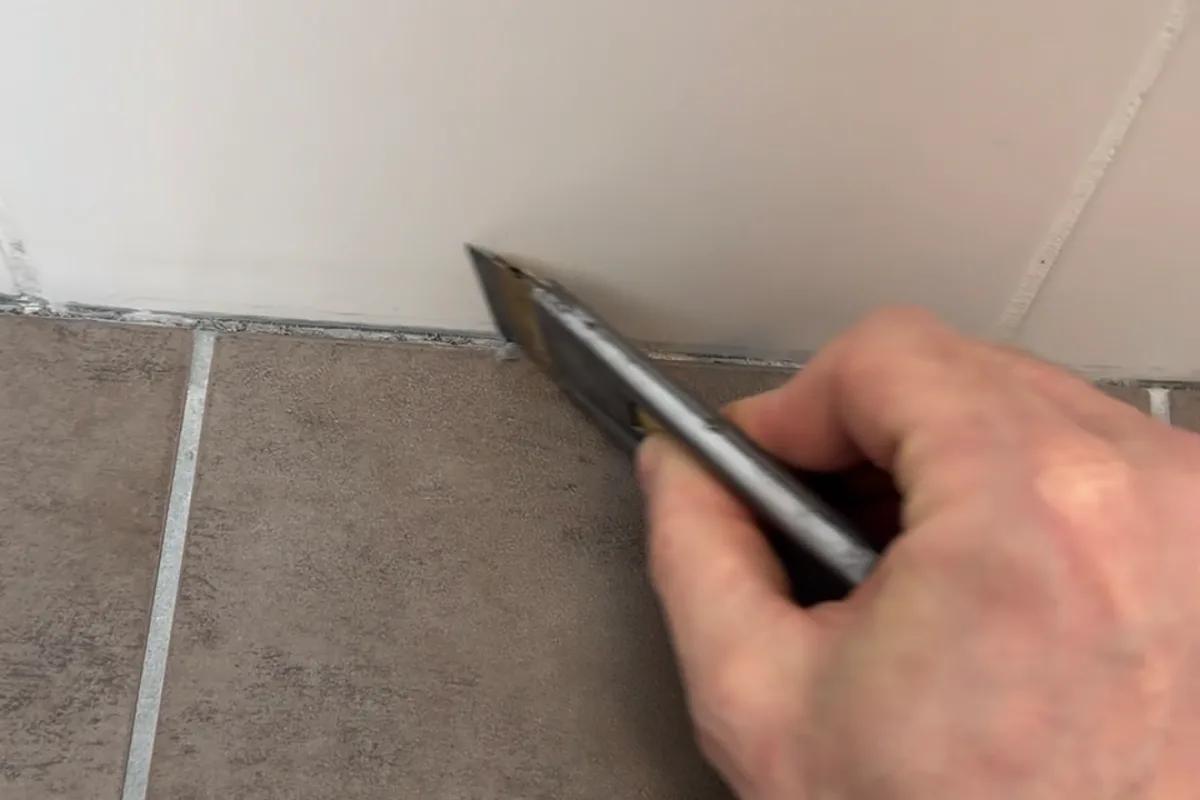
Cut first, chemistry second; WD-40 loosens the bead and leaves a film the new joint will not grab.
-
How deep the joint should be: more silicone is not stronger
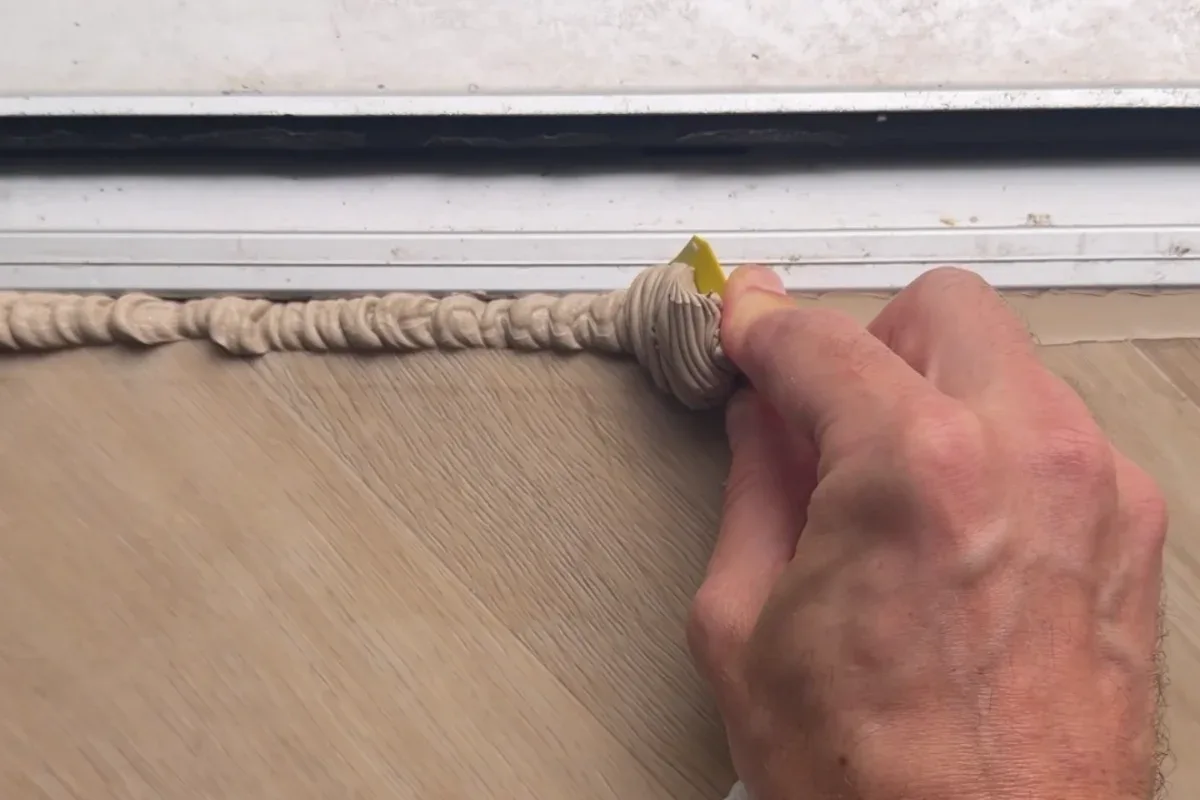
Up to about 10 mm wide, depth close to width (minimum about 5 mm). Wider: limit depth with PE backer rod.
-
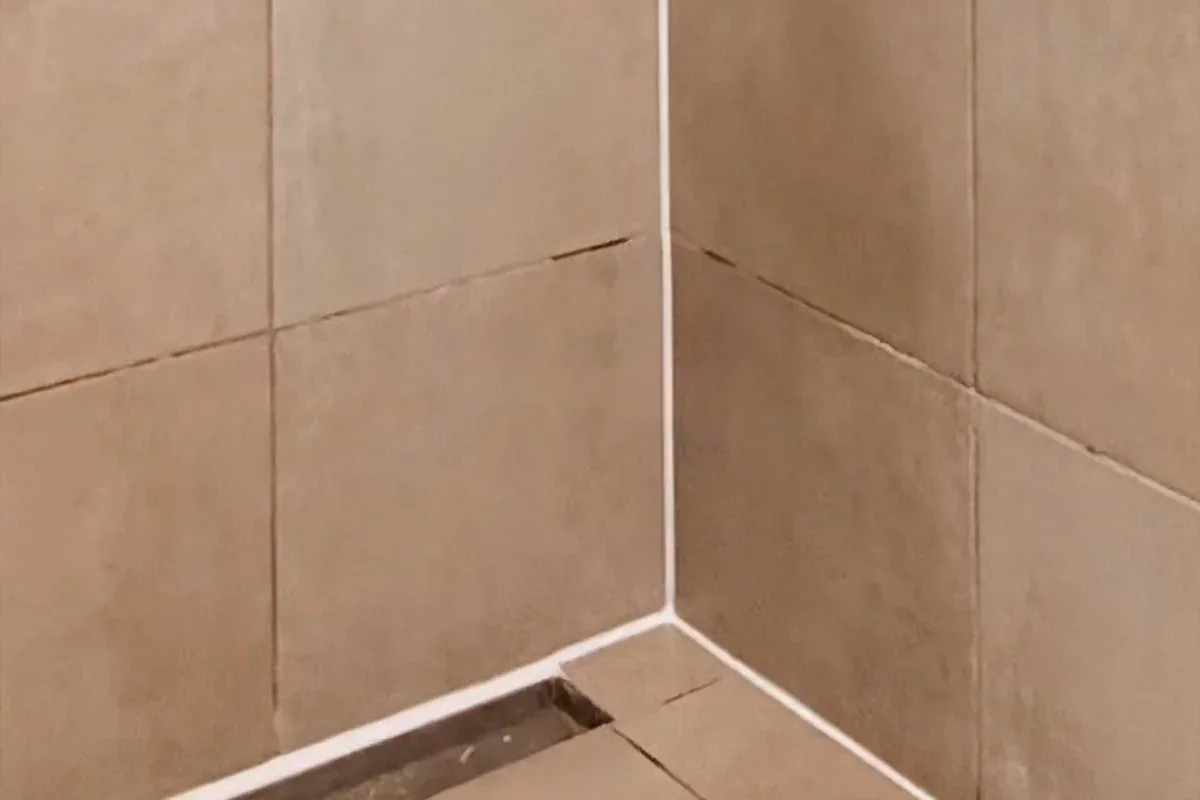
How long a joint really lasts (bath, kitchen, window)
In a shower it is years, not decades. Chlorine, heat and UV kill elasticity before the calendar does.
-
How long to seal a bathroom (you versus someone who does it daily)
The bead is the quick bit; cleaning and geometry eat the day, and stripping old silicone usually doubles the time.
-
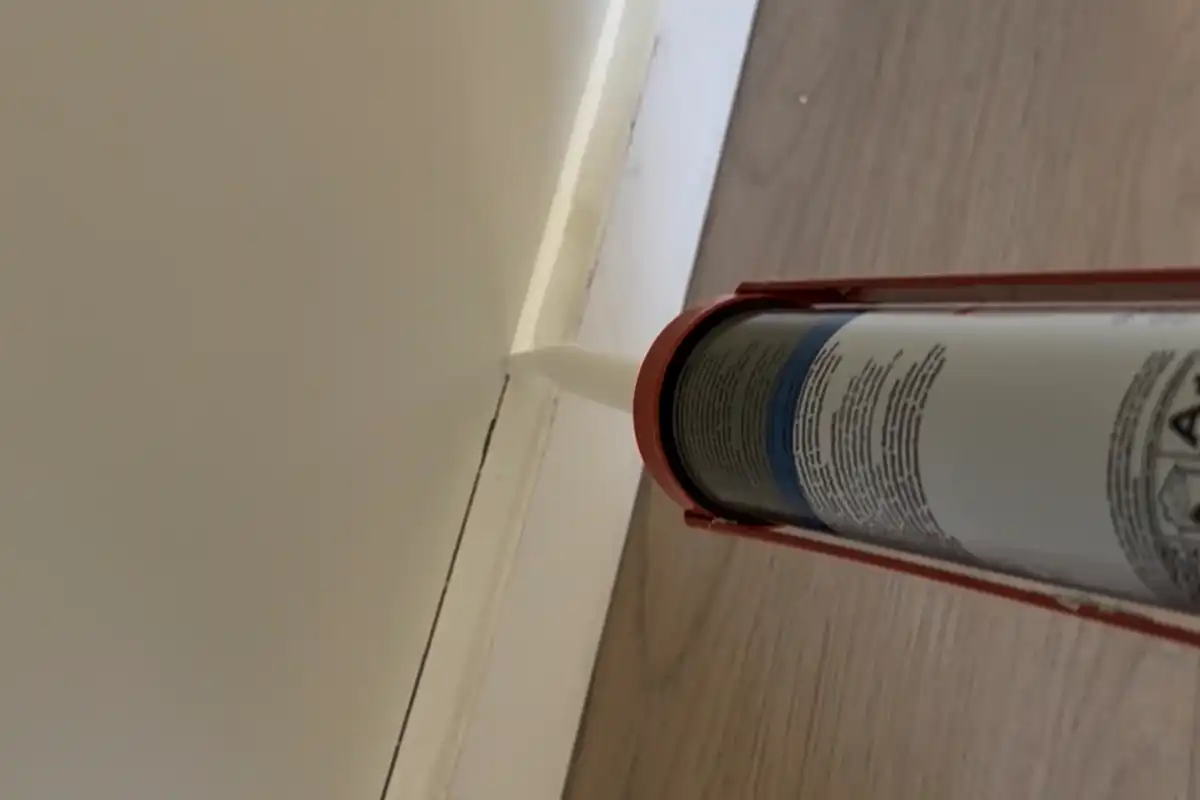
How many metres you get from a cartridge
Volume is millilitres divided by width times depth in millimetres. On paper a 310 ml cartridge at 6×6 mm is about 8.6 m; on site you lose some to tooling.
-
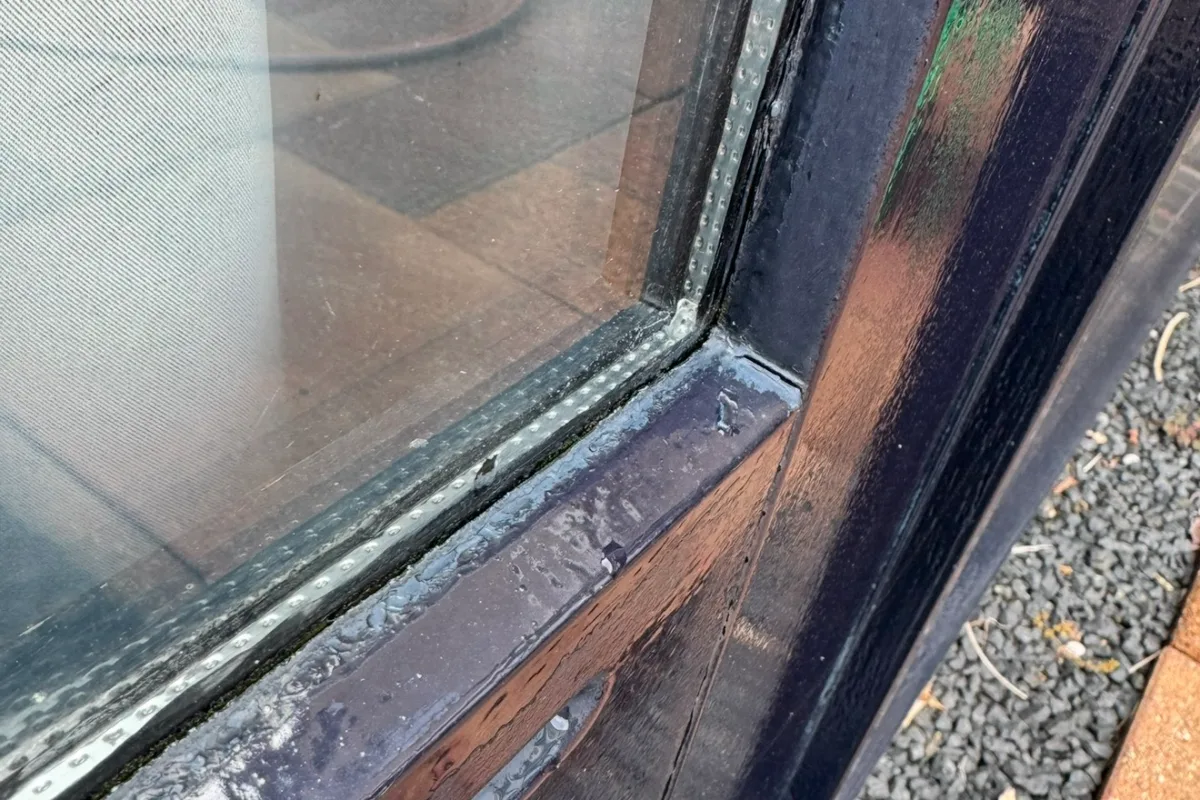
How to spot bad sealant work (a checklist if you are not in the trade)
A pretty line that does not bond is worse than an ugly line that actually closes: look at body, profile and flank, not only the line.
-
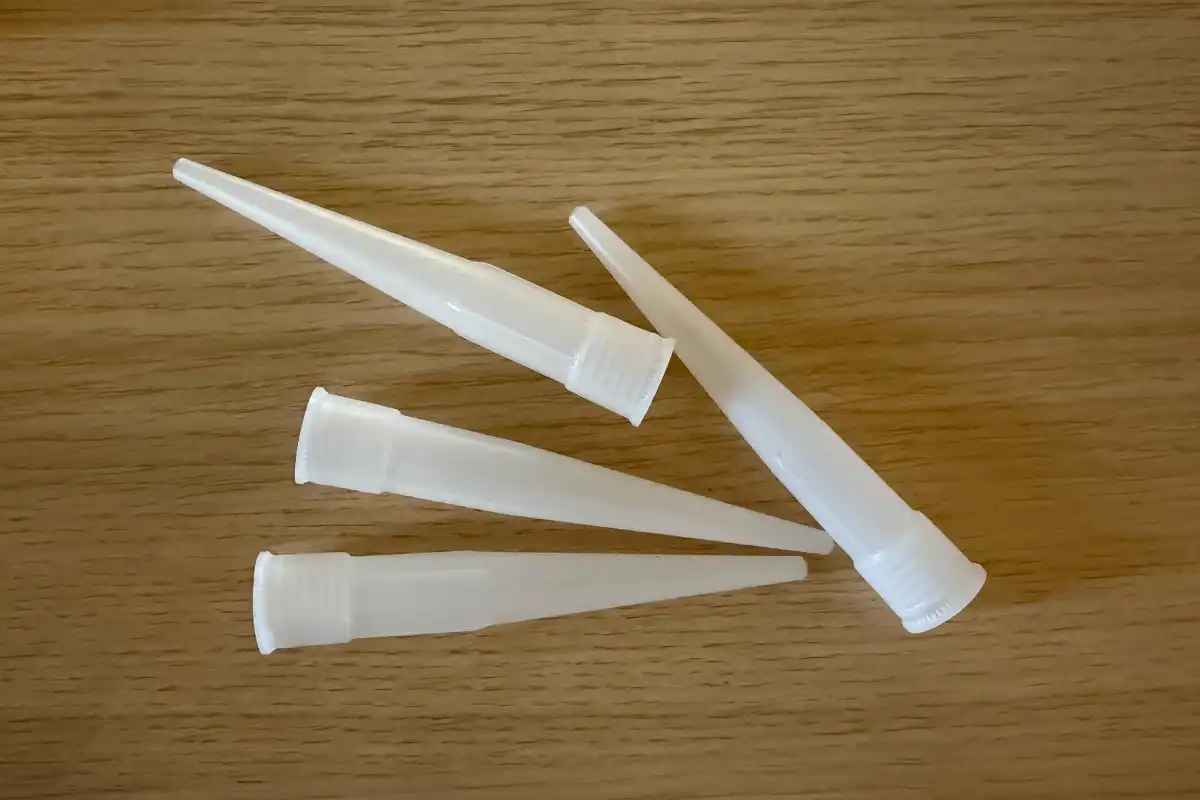
How wide a silicone joint can be
In a bathroom the useful range is usually 5–15 mm; under that there is no body, and beyond about 20 mm it is no longer a cartridge job.
-
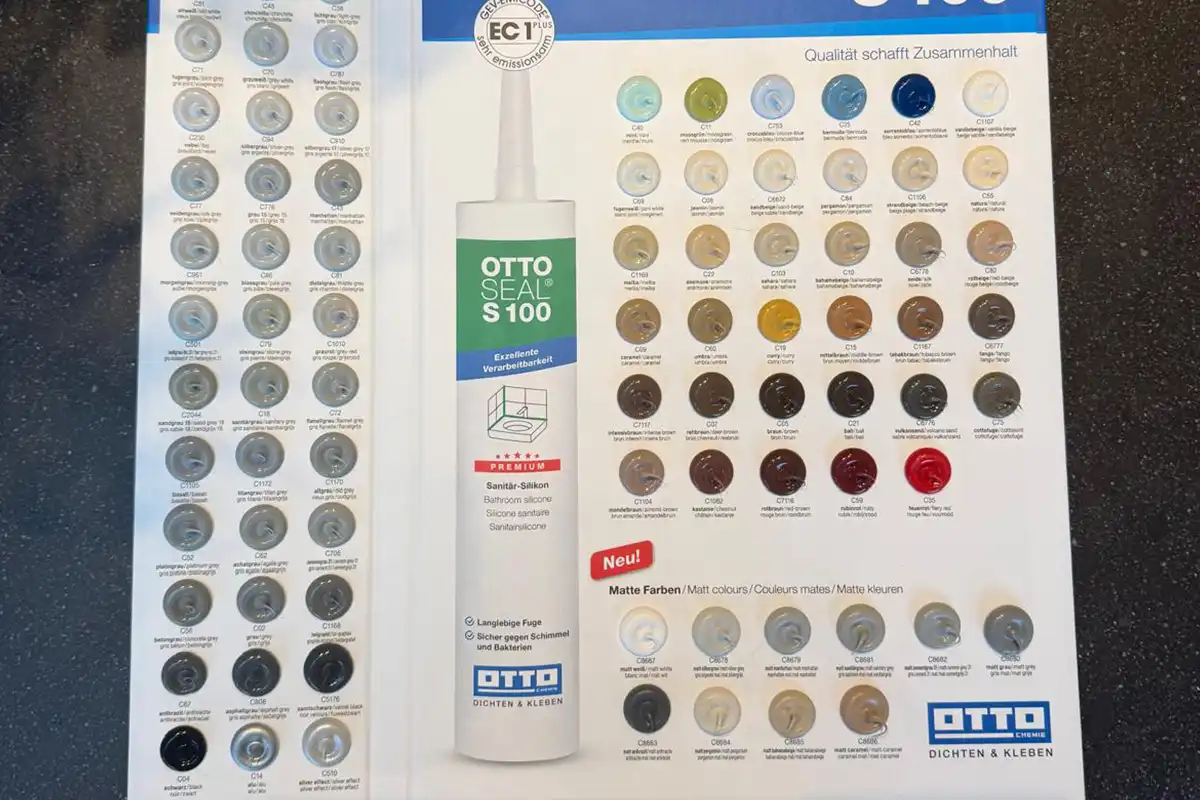
Joint colour: make it disappear, don’t make it shout
Match the grout, not a guess at the tile, and check whether gloss or matt belongs on that surface.
-
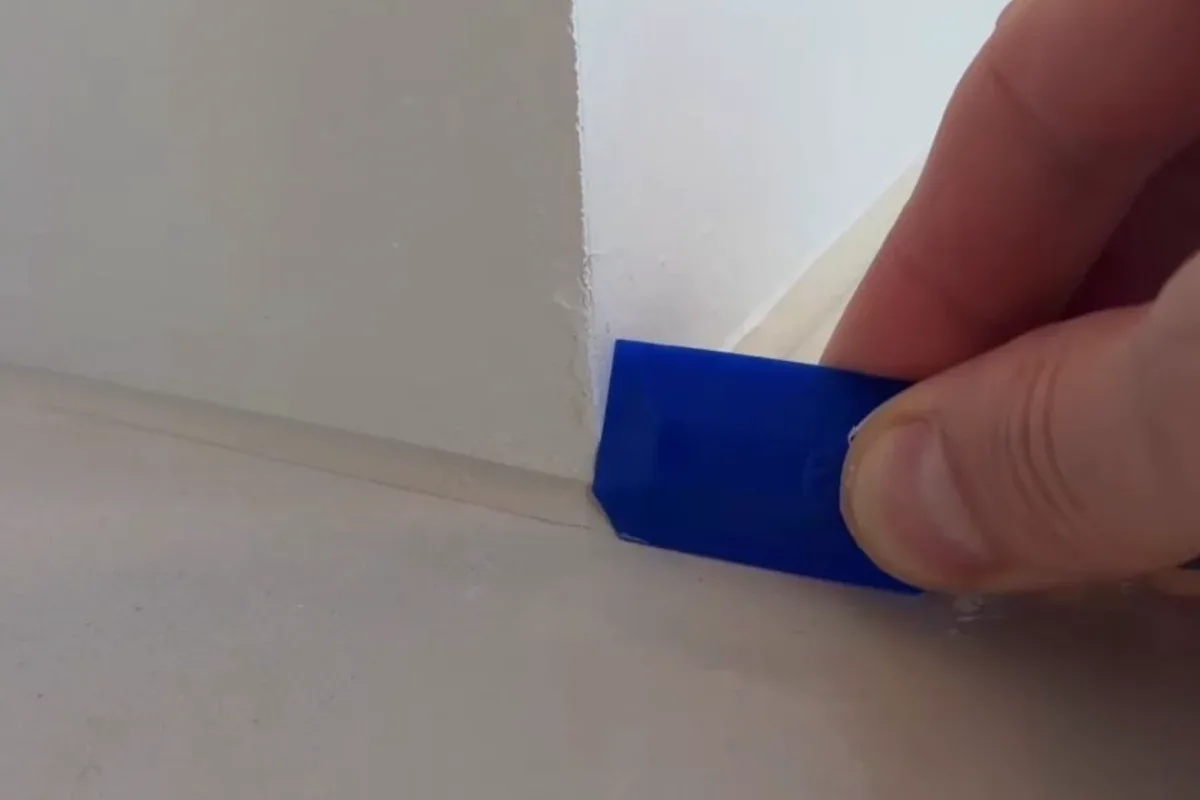
Kitchen sink: on top, under the worktop, or both?
The visible bead is not enough. On an undermount, the joint underneath is what saves the worktop edge.
-
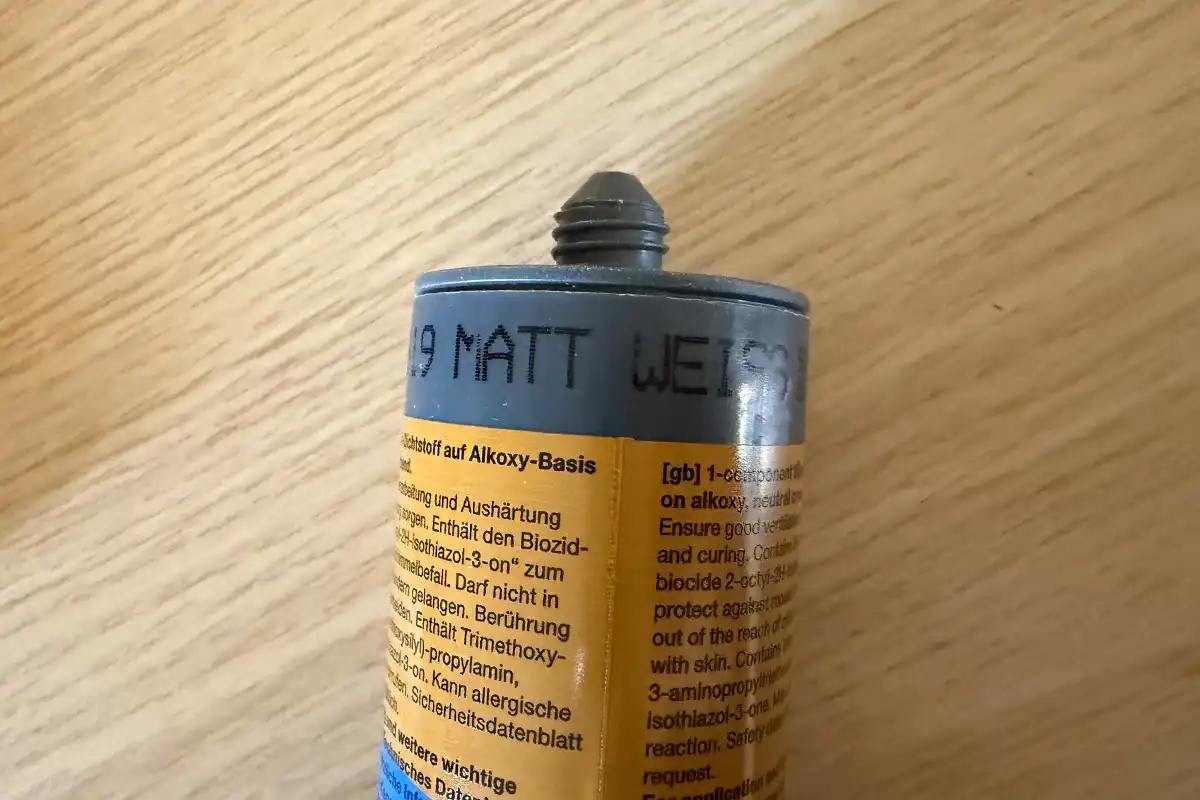
Matt tile and black taps: gloss silicone wrecks the look
Gloss bounces light; matt scatters it. On concrete-look tile, a shiny bead reads as plastic. Tool matt silicone once, then leave it.
-
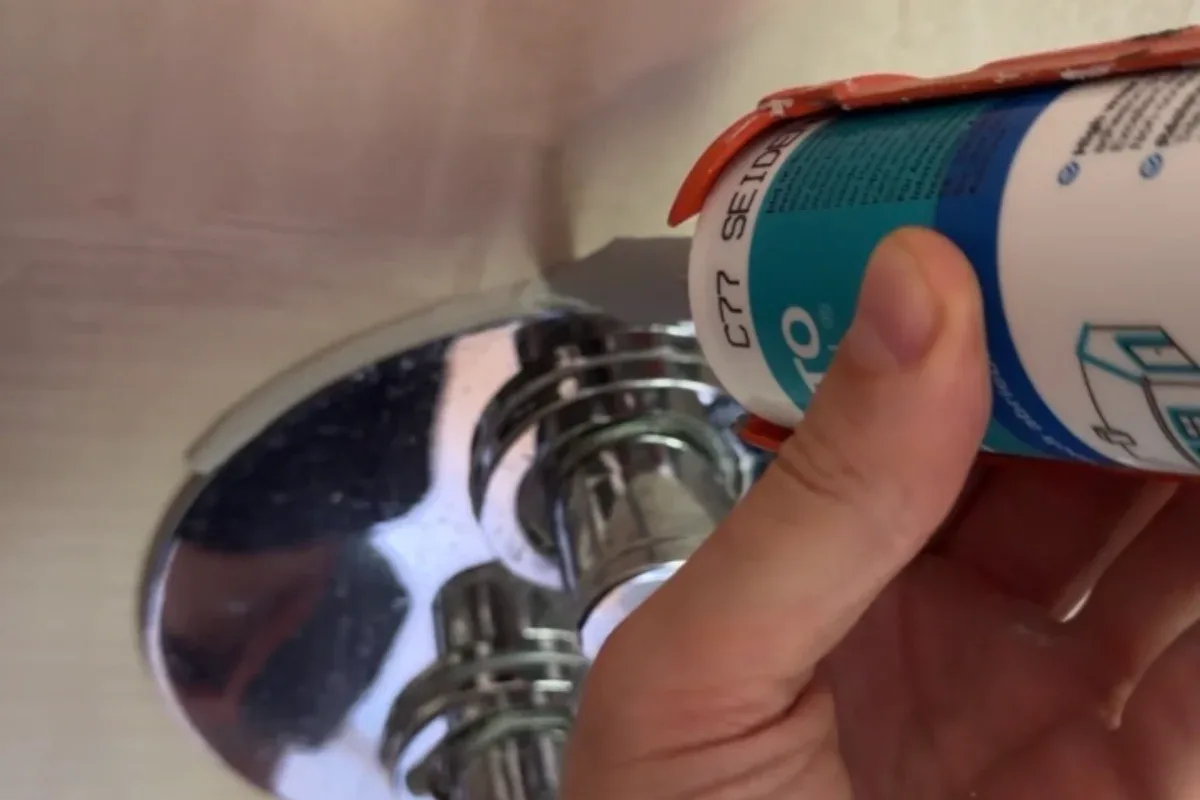
Microcement: which silicone, and where it stains
It is mineral, a little porous and usually sealed; acetoxy silicone and plasticisers leave a dark halo.
-
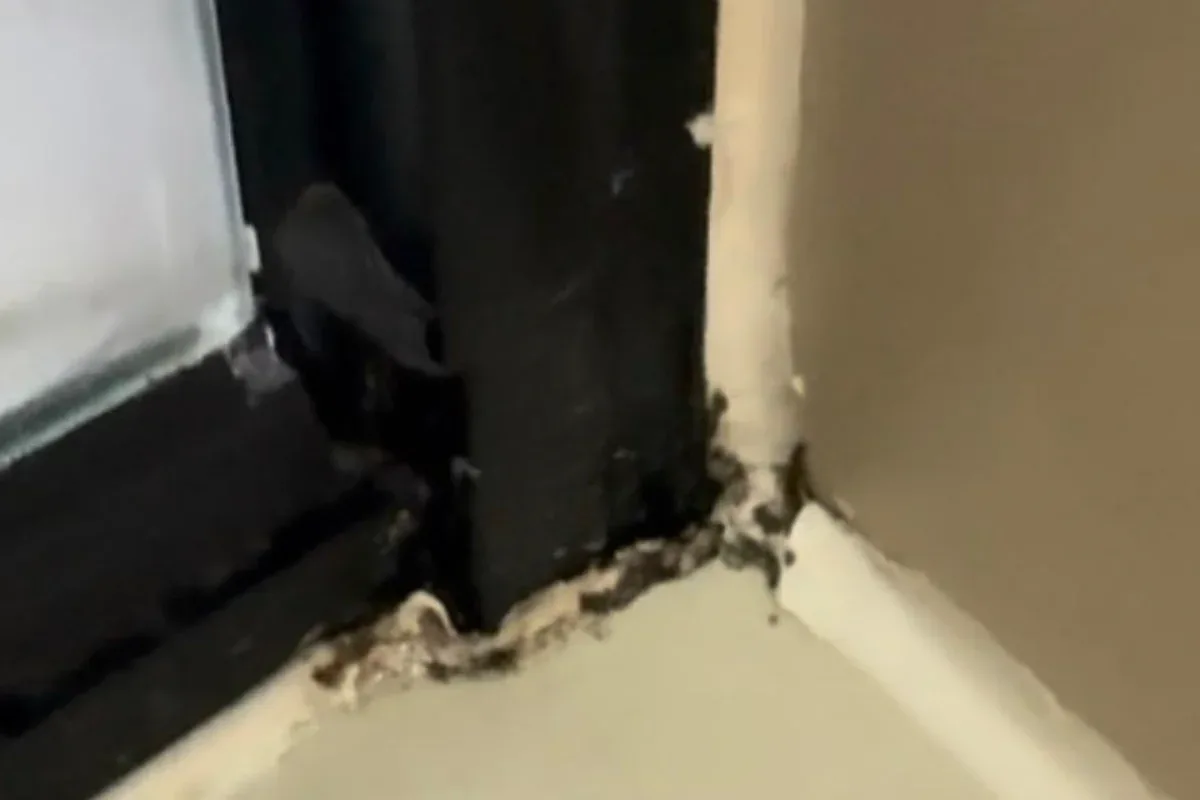
Mould coming back in the joint: scrubbing is not enough
Black specks inside the mass will not leave with chlorine. Bleach fades the colour and leaves the joint more porous; replace it.
-
Movement joints: when silicone instead of grout
Corners, material changes, large fields and underfloor heating. Cement grout will not give.
-

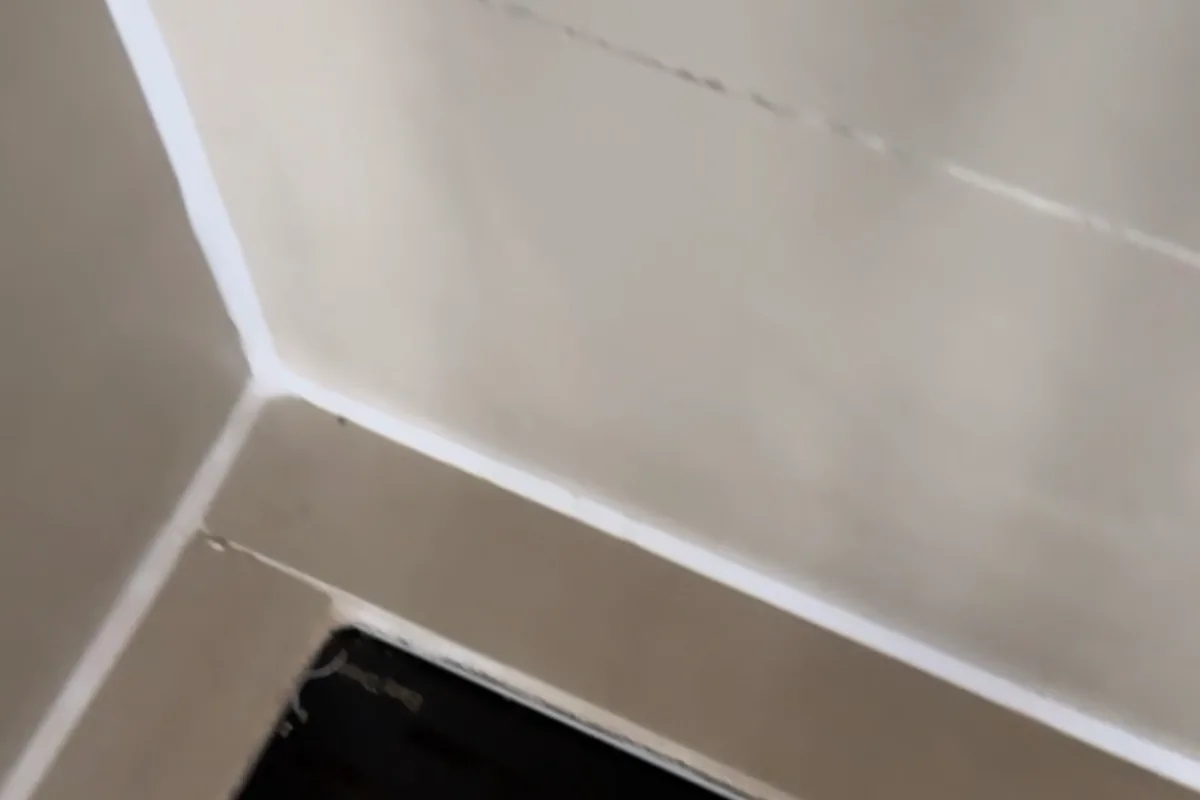
Paint cracking on the ceiling joint: it is not (only) the paint
Craquelure on the ceiling line usually means the acrylic is still shrinking after the paint film has gone hard — or the bead was tooled with soap.
-
Paint cracking on the skirting: the acrylic underneath is still working
Craquelure along the joint is usually late shrink or acrylic that cannot take movement, not “bad paint”.
-
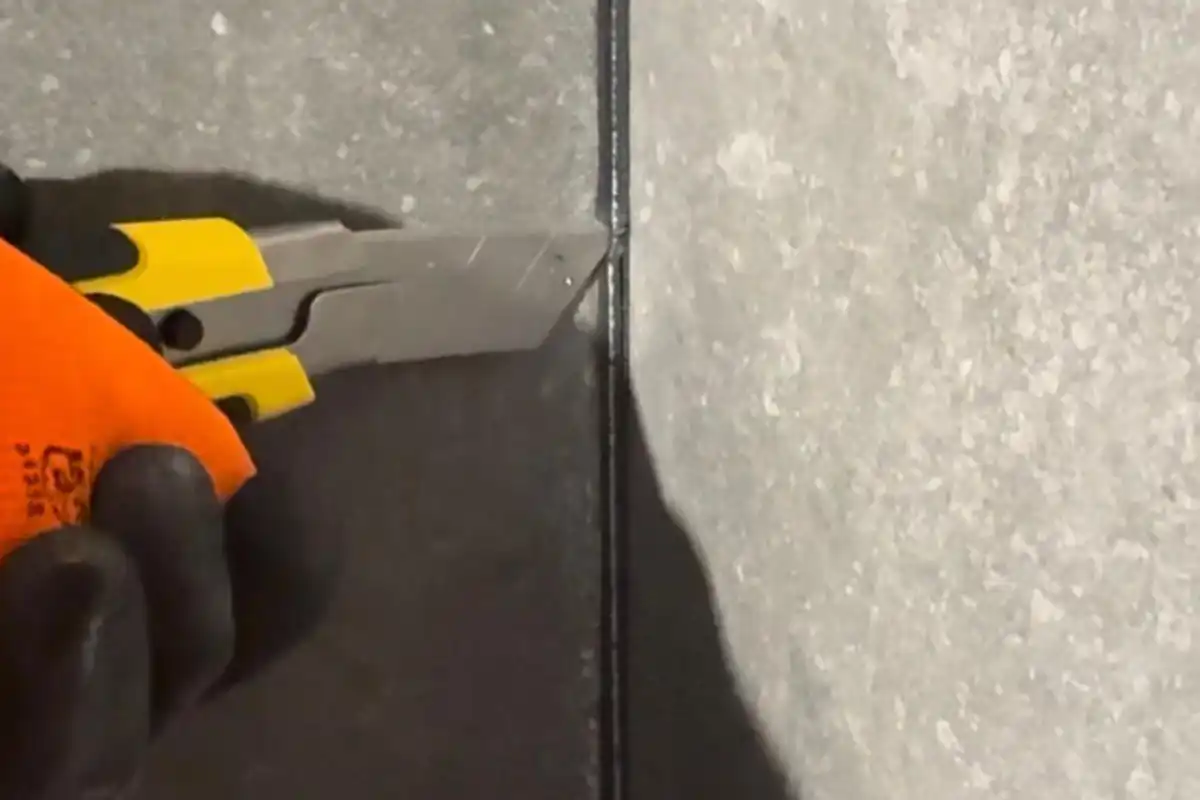
Removing old silicone: why “looks clean” is not enough
New silicone will not bond to an invisible oil film. Cut the mass, break the residue, then degrease — without scratching acrylic.
-
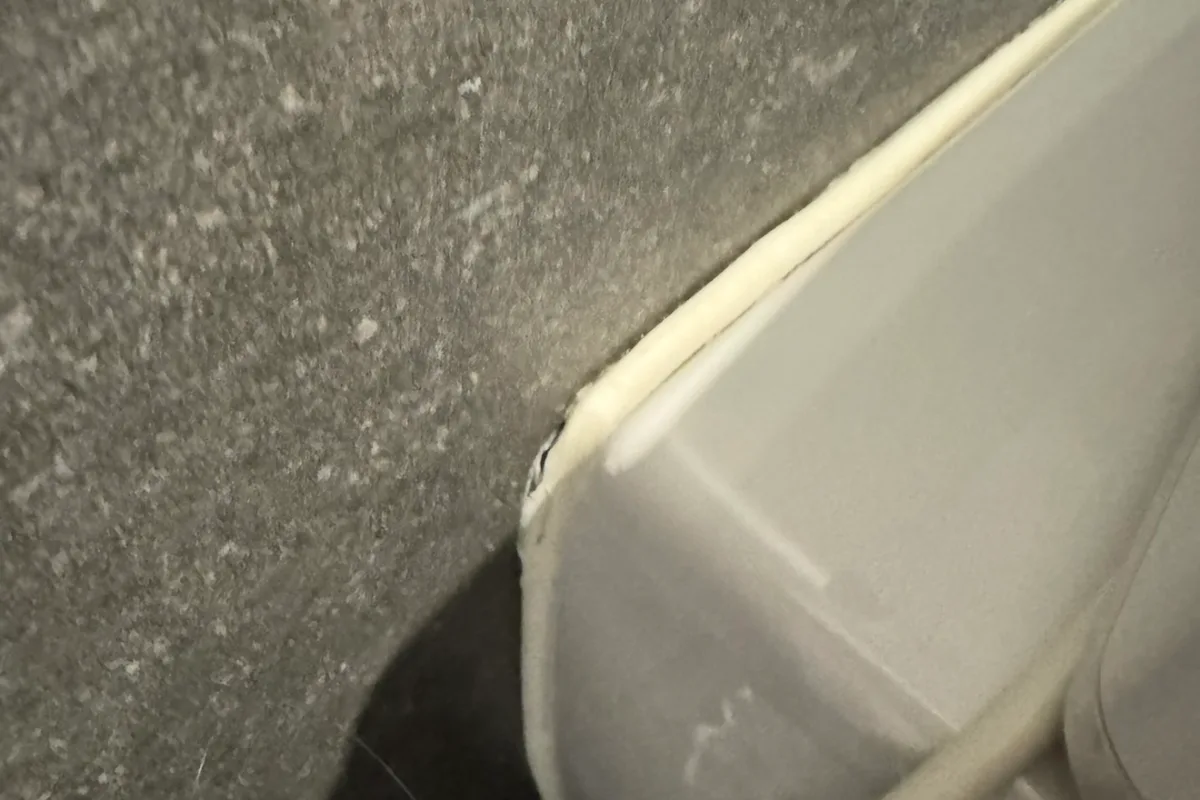
Replace the joint now, or will it last another year?
Mould in the mass or a millimetre loose: now. Only yellow and still elastic: cosmetics. Push it: water may already be behind.
-
Seal first, paint second: ceiling corners
Without paintable acrylic in the internal corner, plaster shows a saw edge and the house movement opens a crack. Seal, wait, then paint.
-
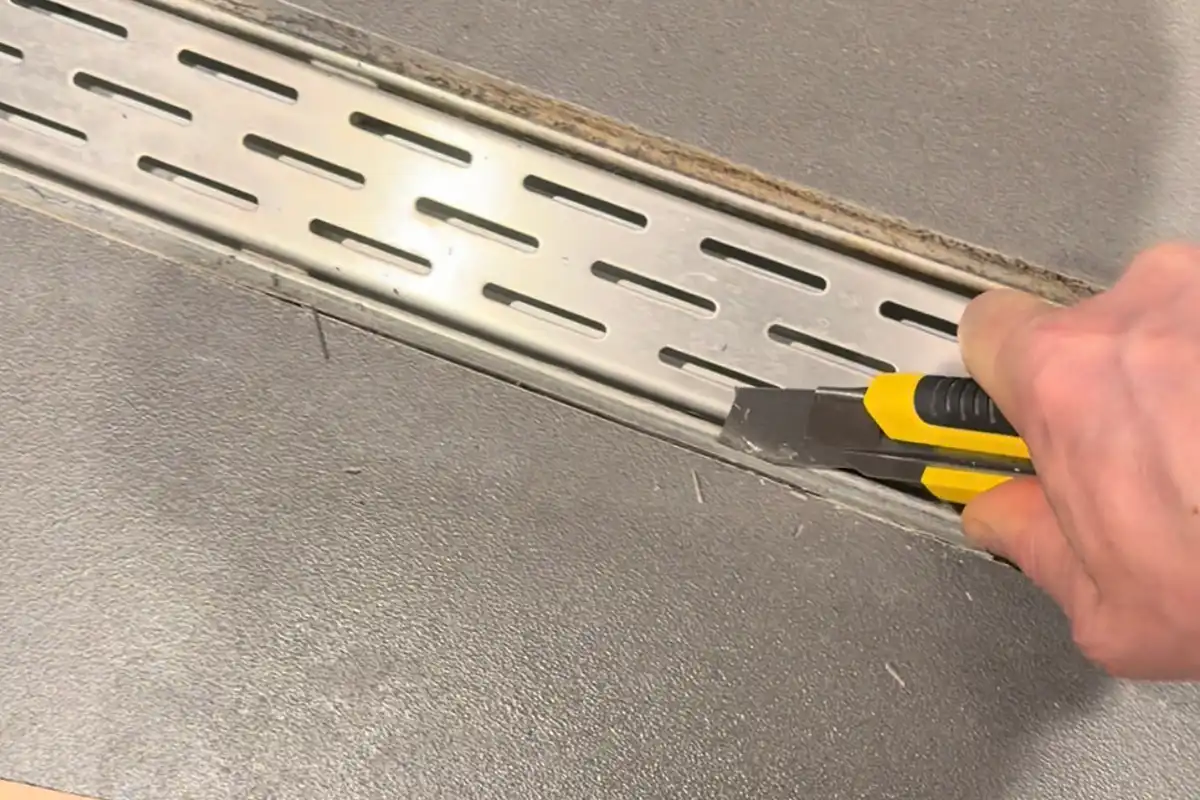
Seal the bathroom yourself: the order that lasts
Push sanitary silicone into the joint, do not lay it on top. Clean flanks, two-sided adhesion, a profile that sheds water — not washing-up liquid.
-
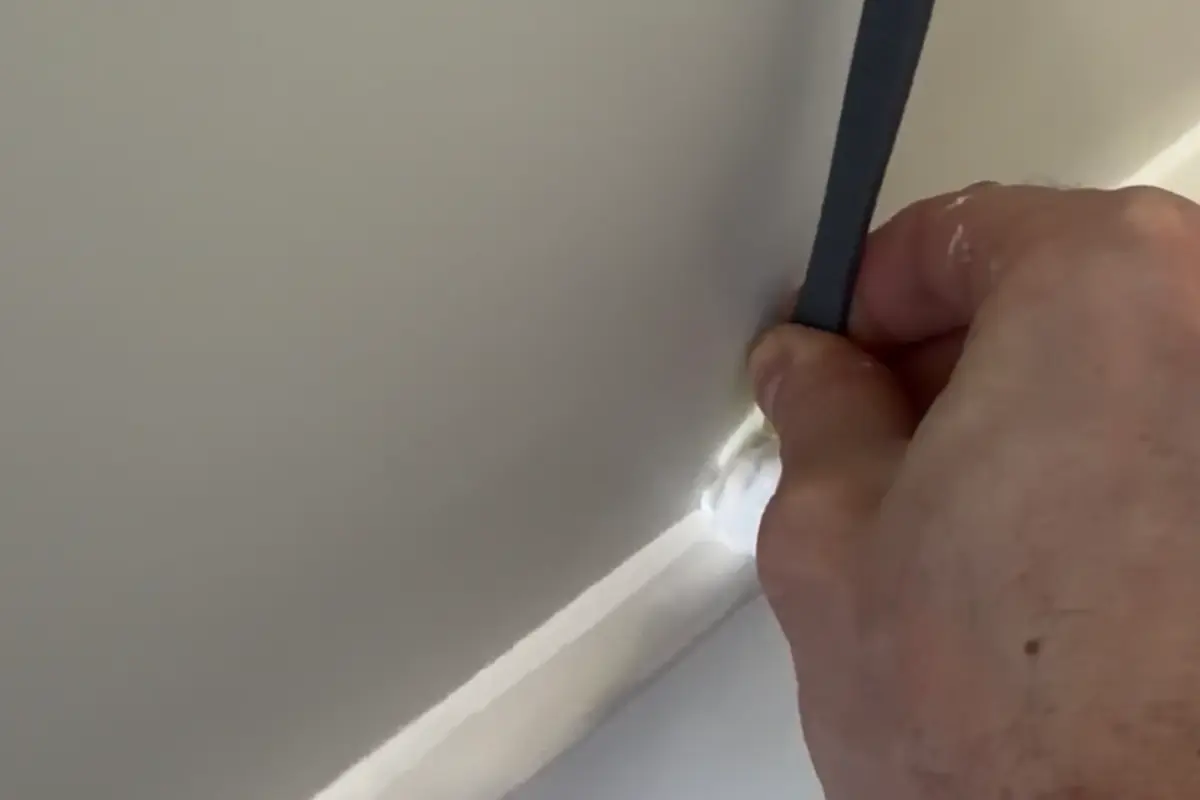
Sealing marble or natural stone: stop the greasy halo
Ordinary sanitary silicone can feed oil into porous stone. Neutral cure is not the same as a natural-stone grade.
-
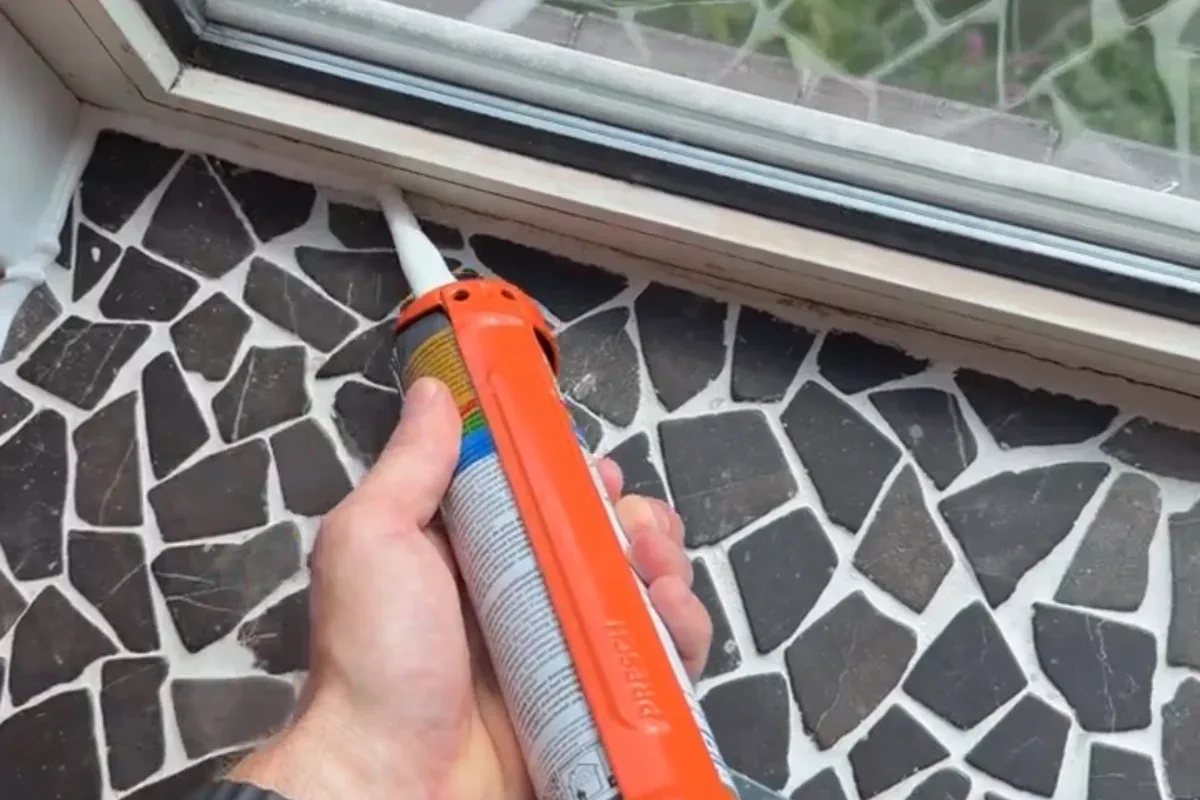
Sealing outdoors: rain, sun and movement — not a bathroom tube
Interior acrylic washes off in the rain. Cheap bathroom silicone is not built for UV and frost.
-
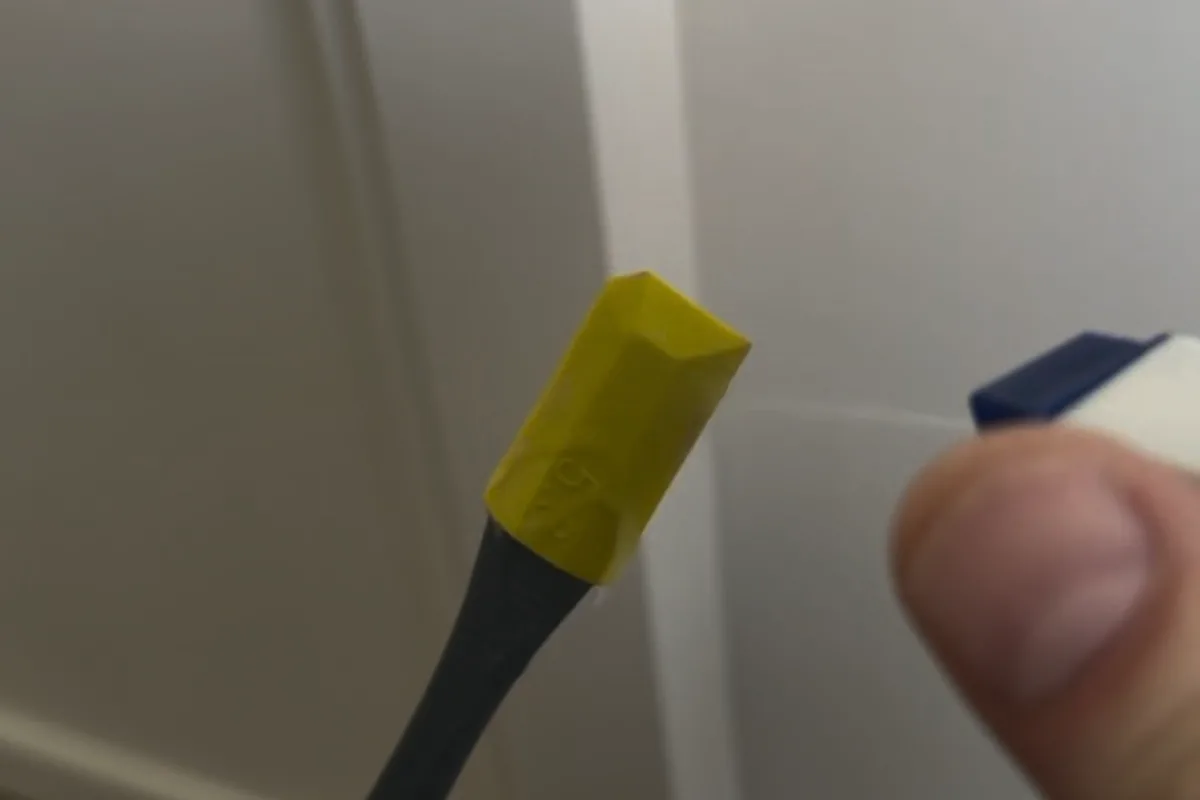
Sealing the worktop: four places it fails first
Sink, upstand, hob and edge go first: the enemy is invisible grease, not the cartridge colour.
-
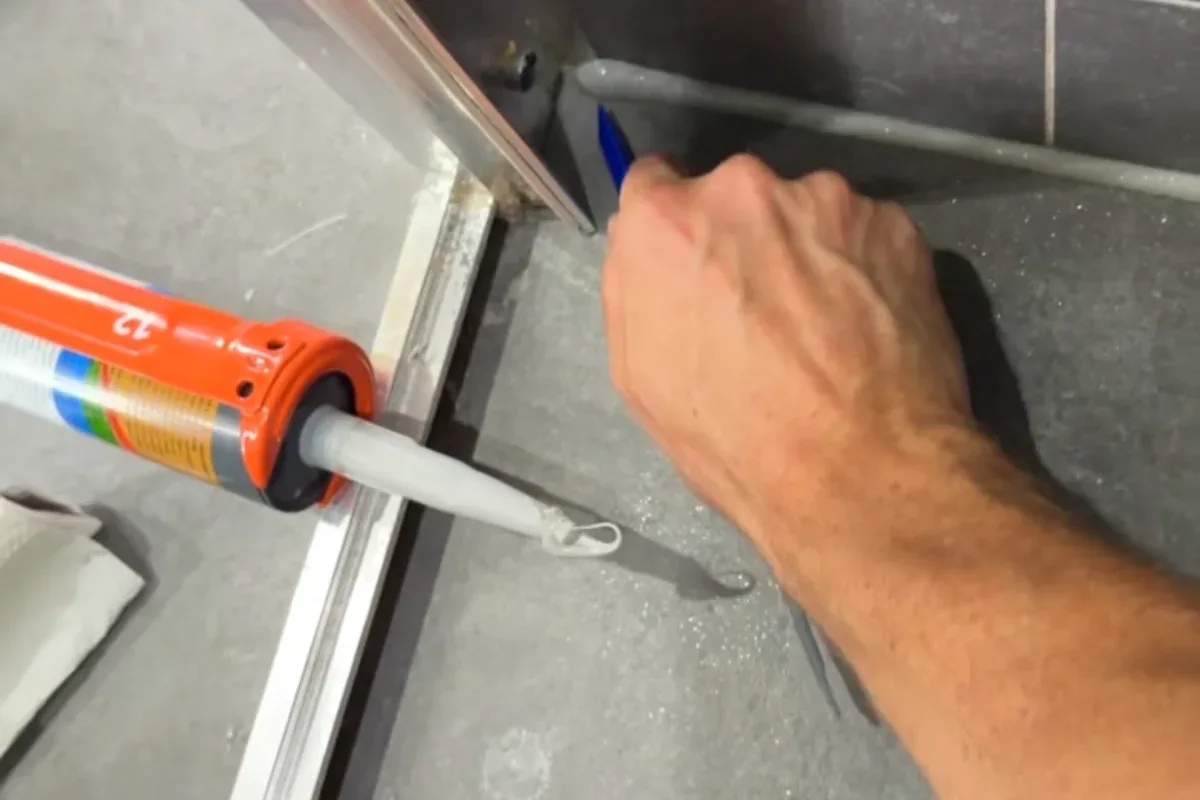
Shower drain: where silicone belongs and where it does not
The elastic joint sits between tile and frame; grate, trap and drainage slots have to stay open.
-
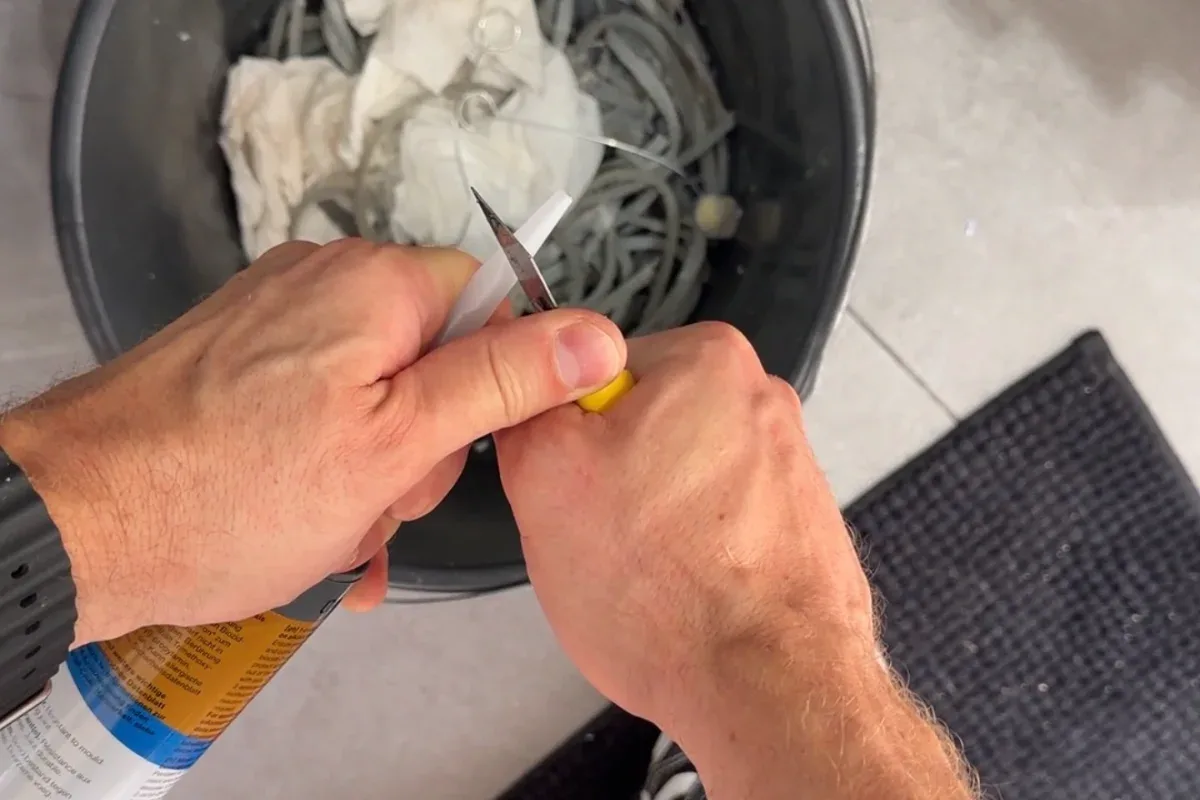
Shower screen: inside, outside or both?
On many aluminium profiles you seal the dry side and leave the wet side so water can run back into the shower.
-
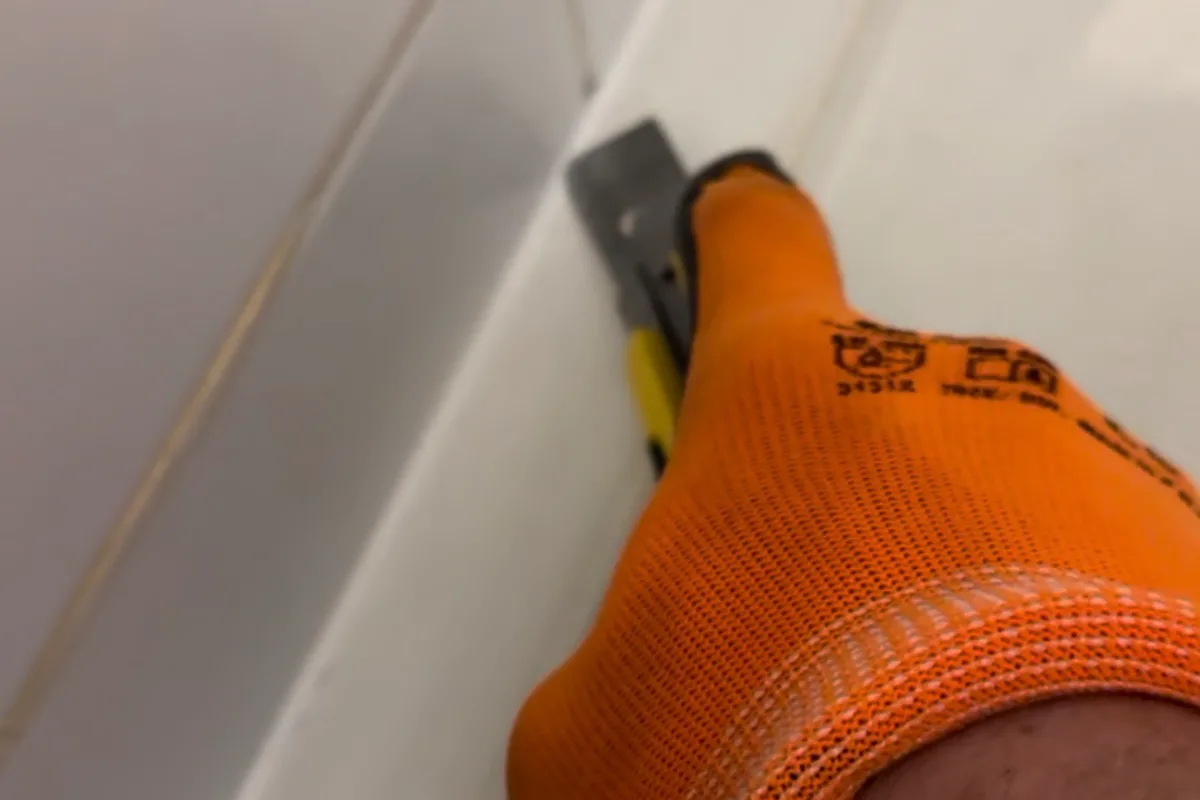
Silicone or acrylic: they are not interchangeable
Acrylic in the shower softens and washes out; silicone on the skirting will not take paint: pick the cartridge for water or for paint.
-
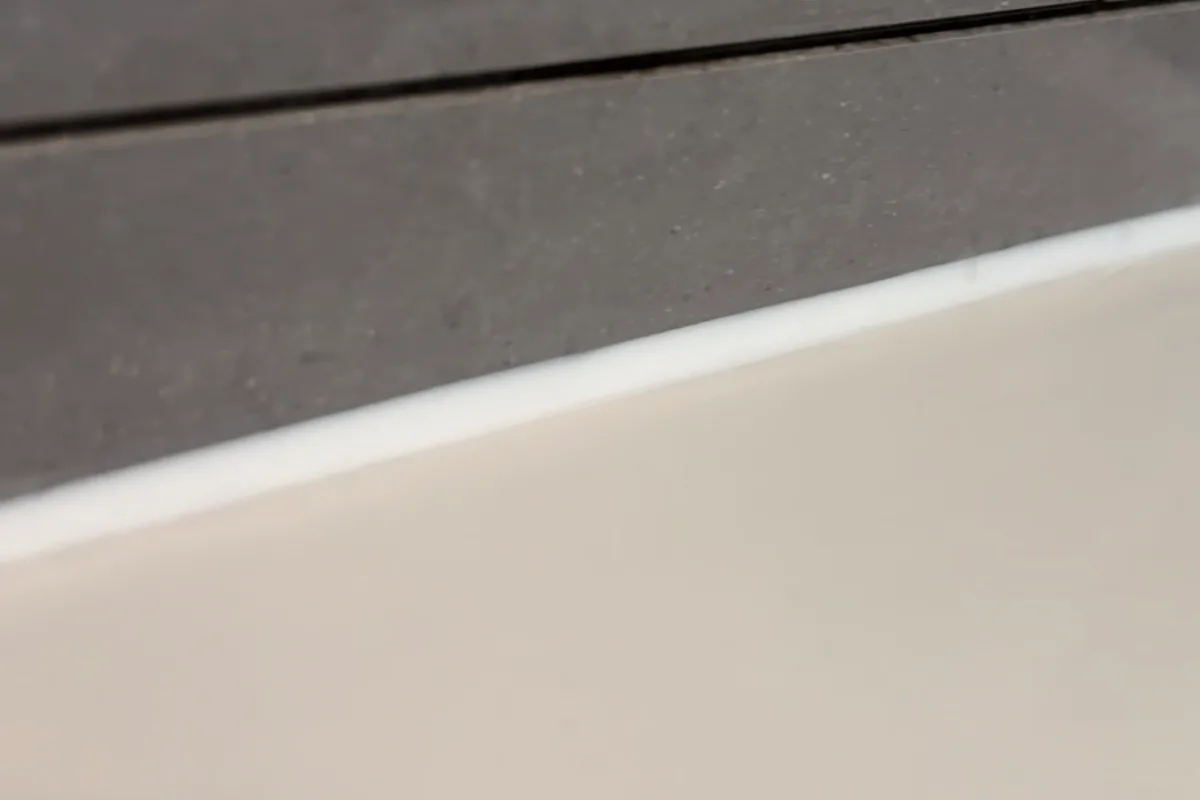
Tap and basin: why that joint splits first
The bead at the tap takes torsion, hot-cold shock and soap; if the fitting wobbles, no silicone will hold it.
-
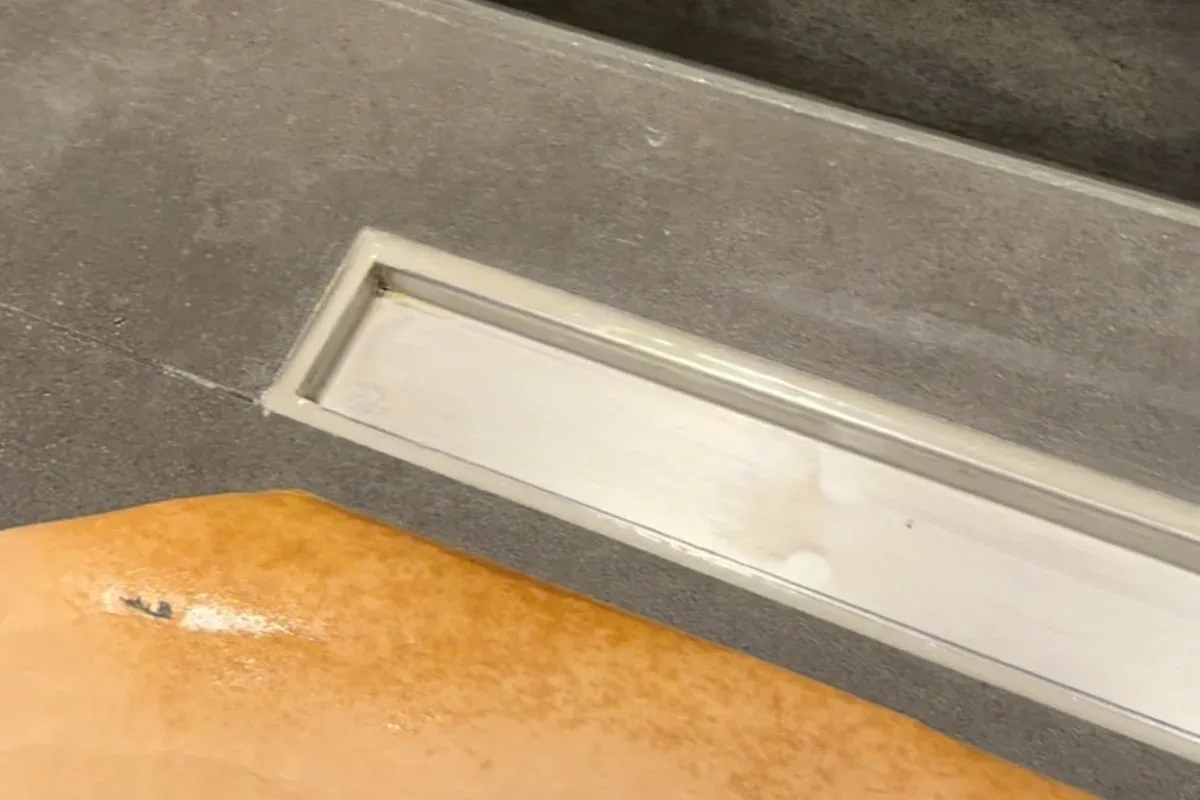
The joint peeling off the tray or bath
On acrylic and composite, peel is usually adhesion plus movement. Tray support and an elastic joint are two different jobs.
-
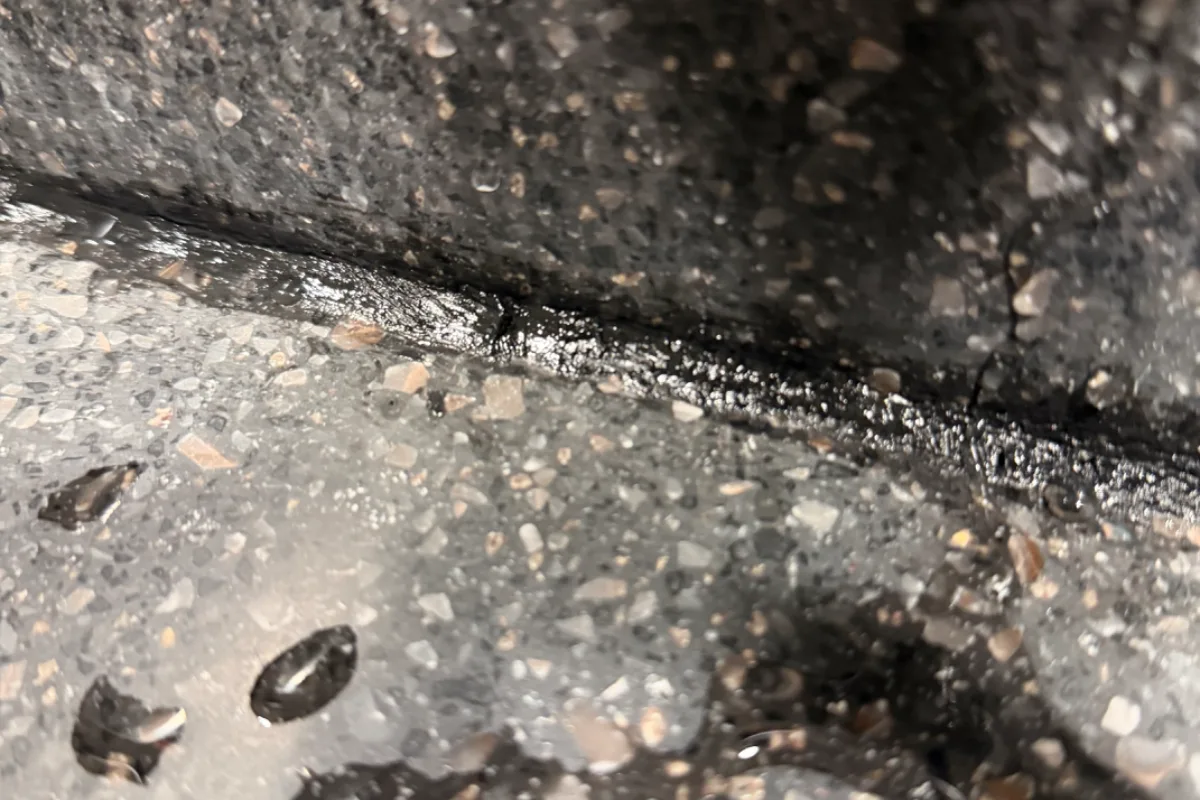
The silicone stays tacky: it is not “drying”
Silicone cures with moisture from the air; expired, cold, in a room that is too dry, or in a joint that is too deep, it stays paste.
-
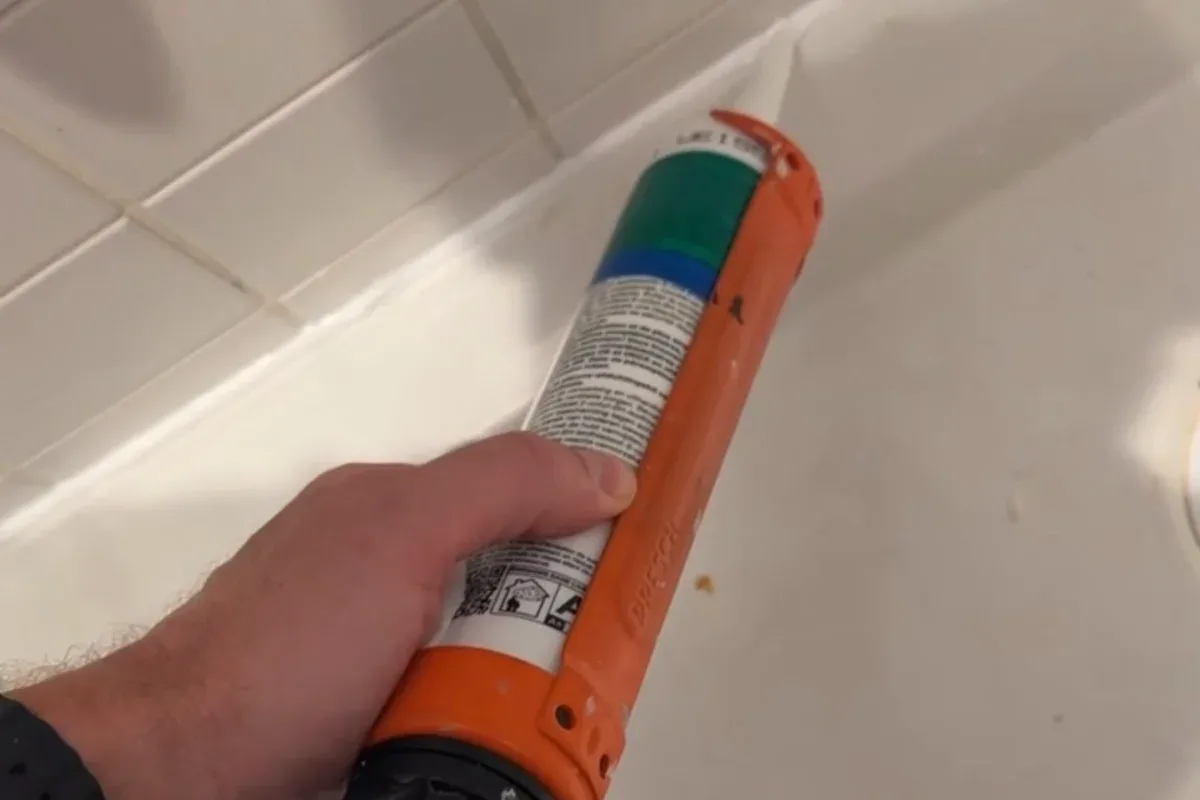
Three-sided adhesion: why a “full” joint tears
If the silicone bonds to both flanks and the back, it cannot stretch; backer rod or bond-breaker tape frees the third face.
-
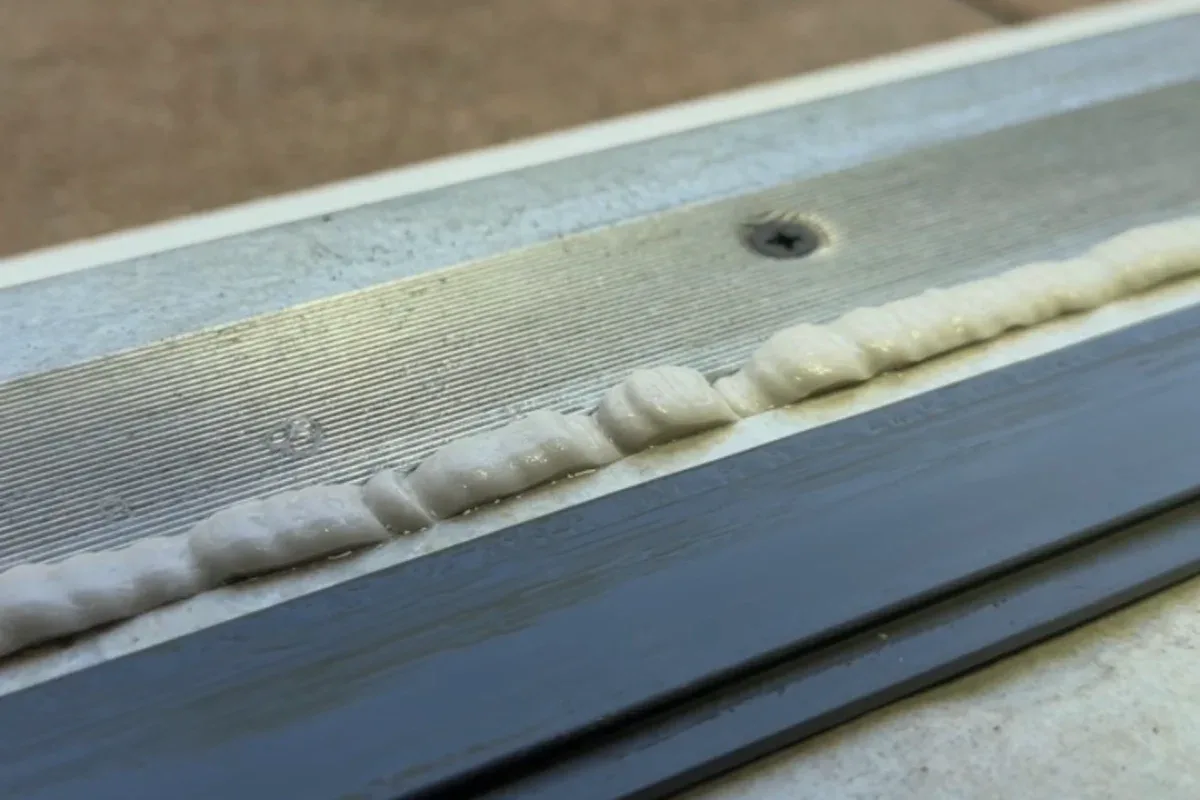
Underfloor heating: switch it off before you seal
If you seal an expanded slab, it pulls the joint as it cools; heat also skins the bead too soon.
-
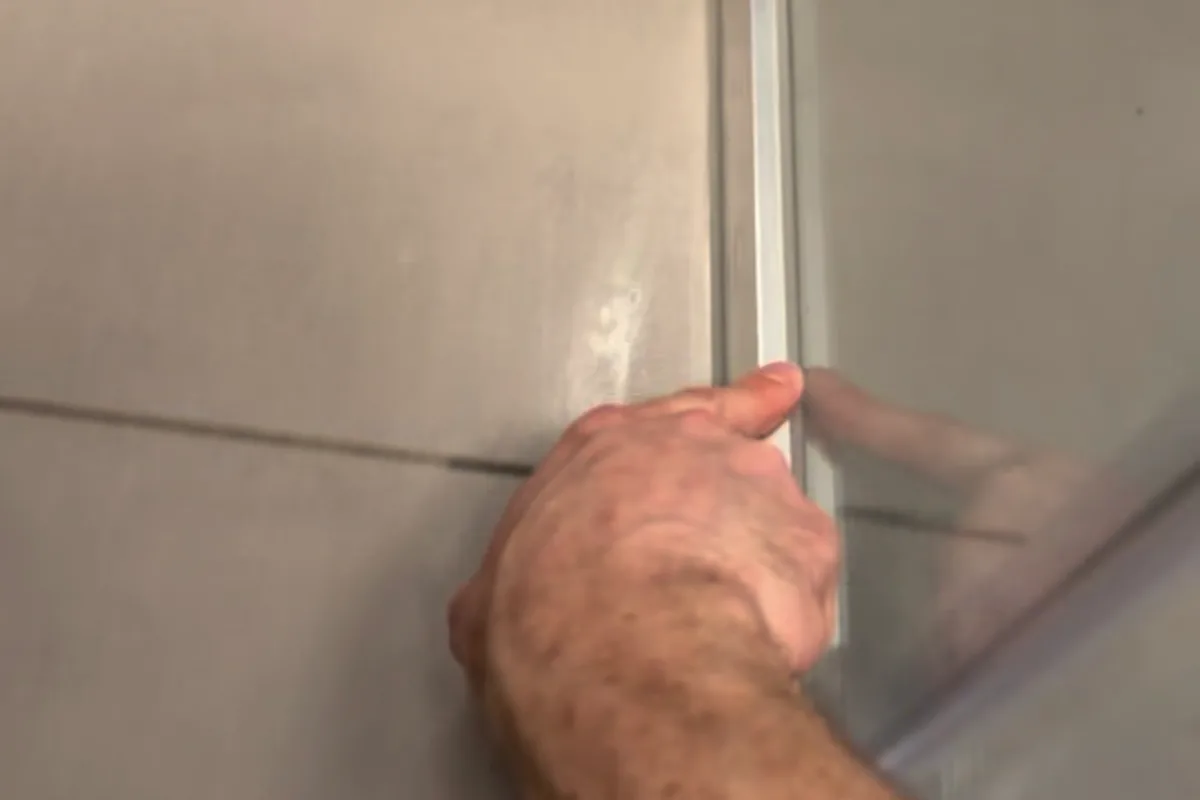
Walk-in shower: more standing water, tighter demands
Without a tray to lead the water away, it sits on the floor and against the glass: the joint works harder than in a classic shower.
-
Water behind the shower profile: more silicone almost never fixes it
Seal the wet side shut and the profile becomes a tank. Seal the dry side and let the wet side drain.
-
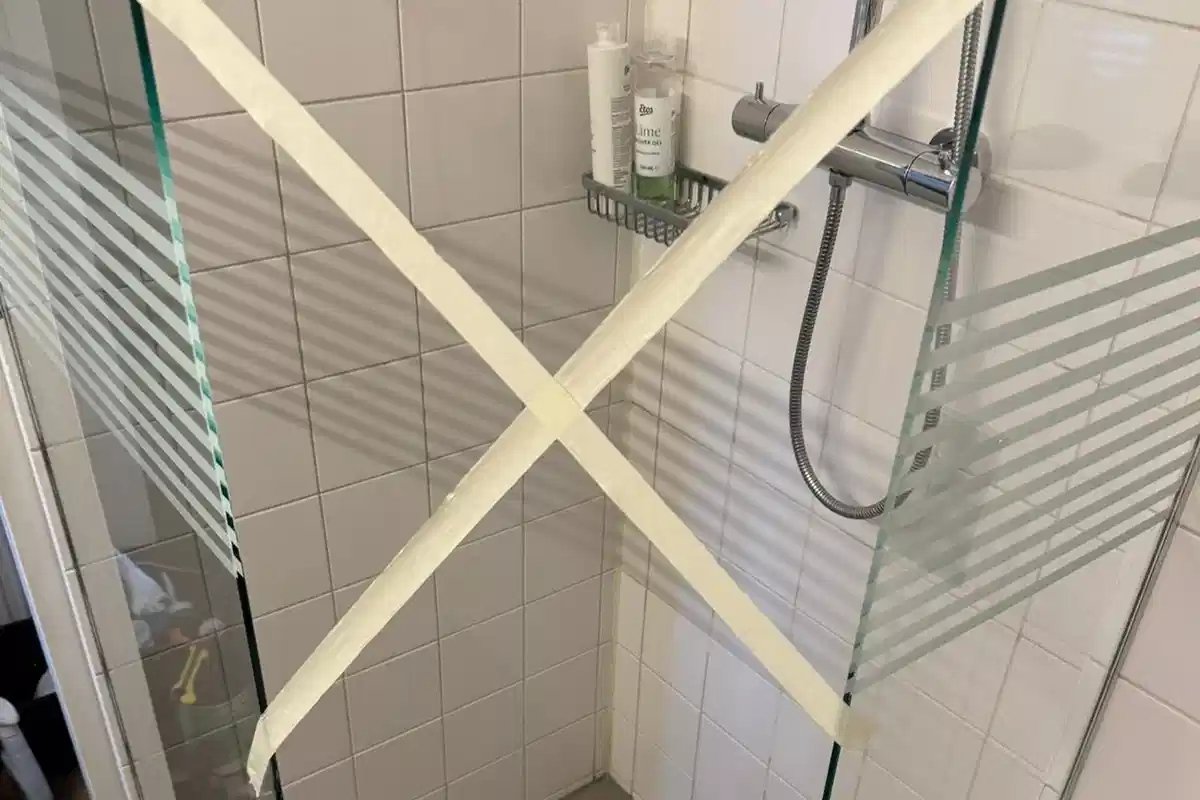
When can I shower after applying silicone?
Skin-dry is not a full cure. Wait until the joint has cured through, not just until it feels dry to the touch.
-
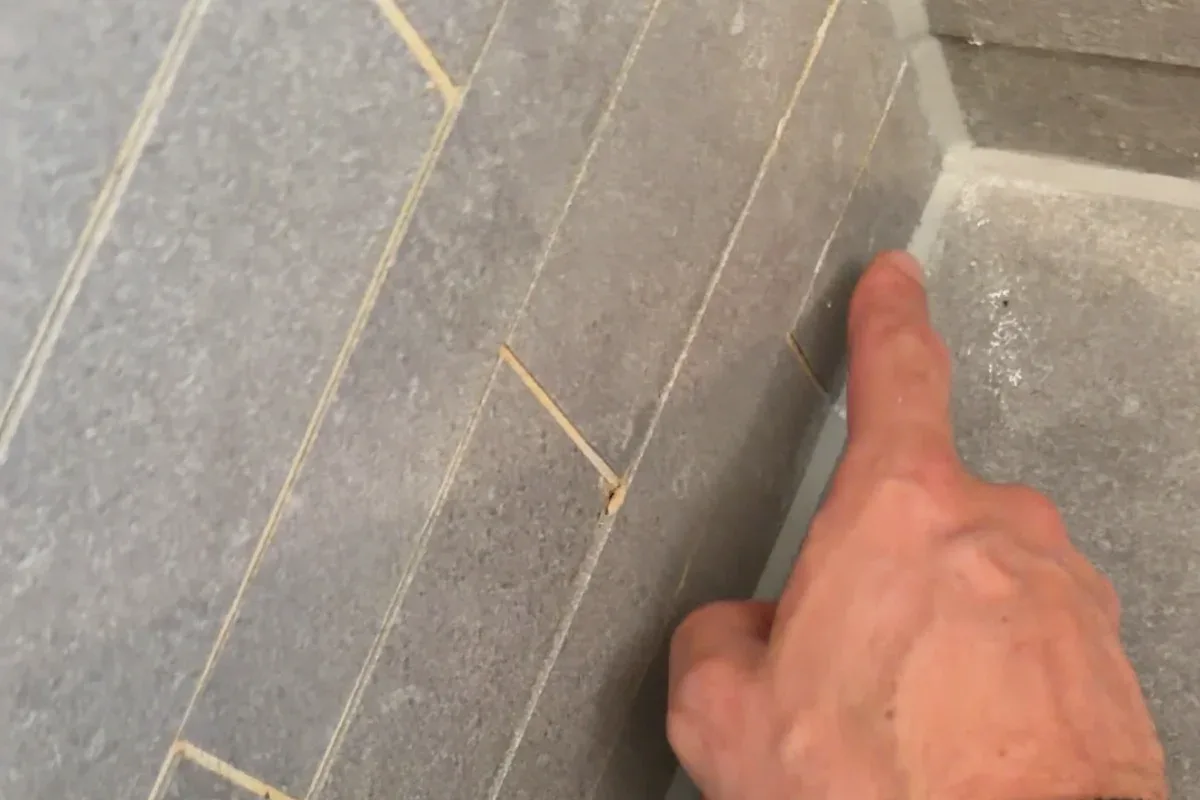
When you need primer (and when it gets in the way)
It is not a universal booster. Porous and hard-duty spots sometimes yes. Clean glass and tile, often no.
-
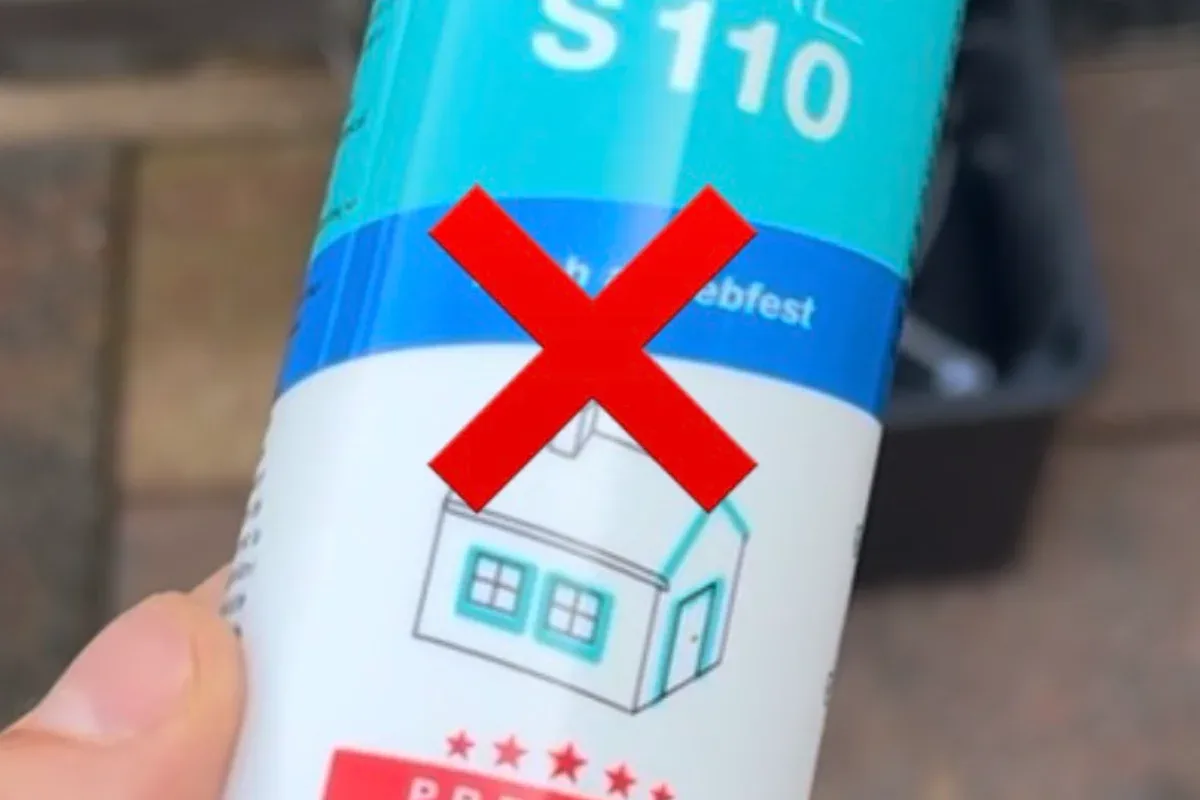
When you should not seal (yet)
A damp substrate, a loose tile or covered mould: silicone locks the problem in and vapour pushes the bead off.
-
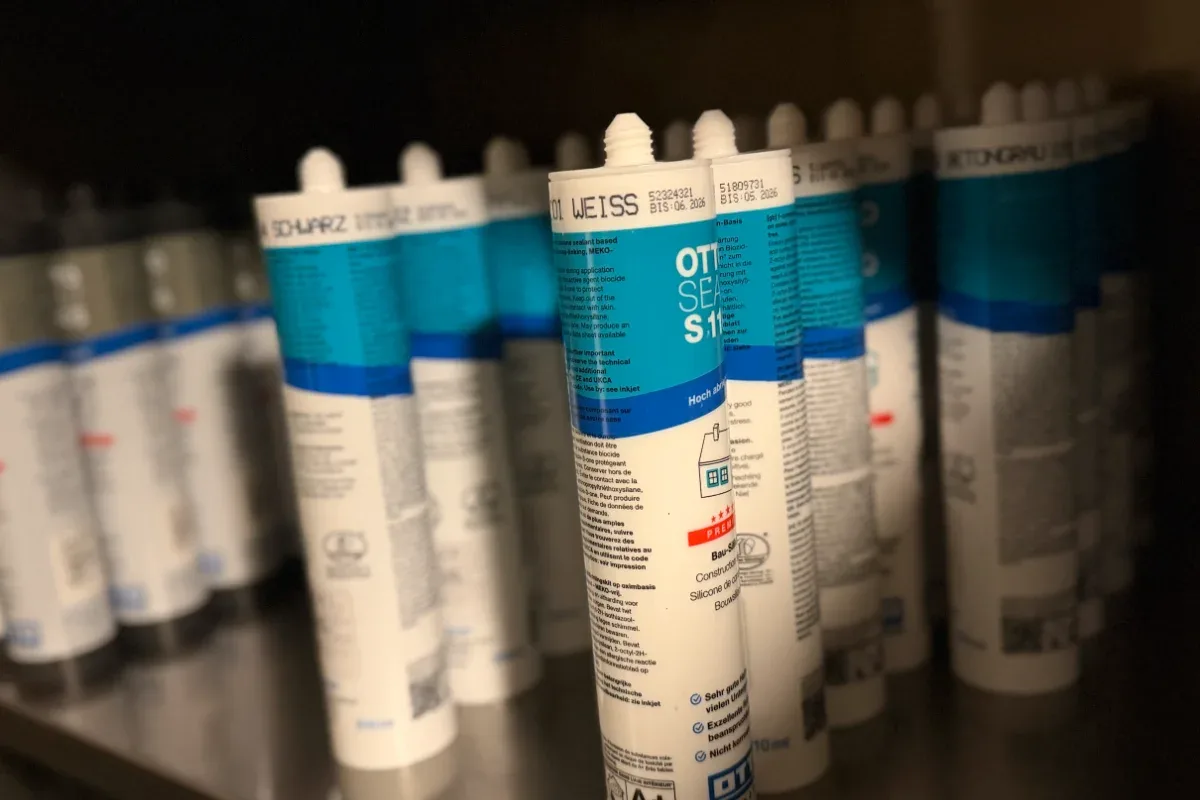
Which sealant to use in the bathroom (and which not to)
Wet zone: sanitary silicone. Paintable ceiling: acrylic sealant. Stone: stone chemistry. Hybrid is not a shower wild card.
-

Why silicone peels: adhesion, primers and a clean substrate
If the bead peels leaving the tile clean, it never bonded. Greasy household cleaners, damp faces and skipped primer are the usual reasons.
-
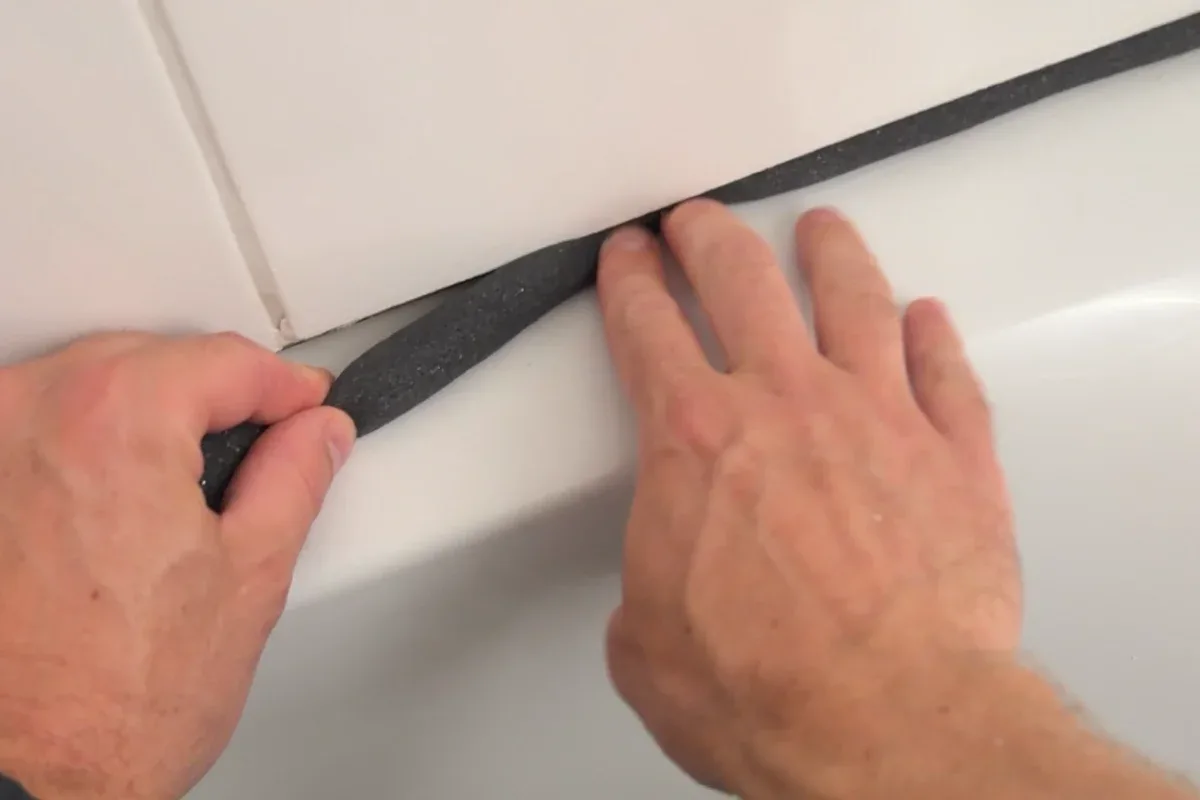
Why there is backer rod behind a sealant joint
Closed-cell PE rod sets depth and stops the bead bonding to the back, so the joint can stretch on two faces.
-
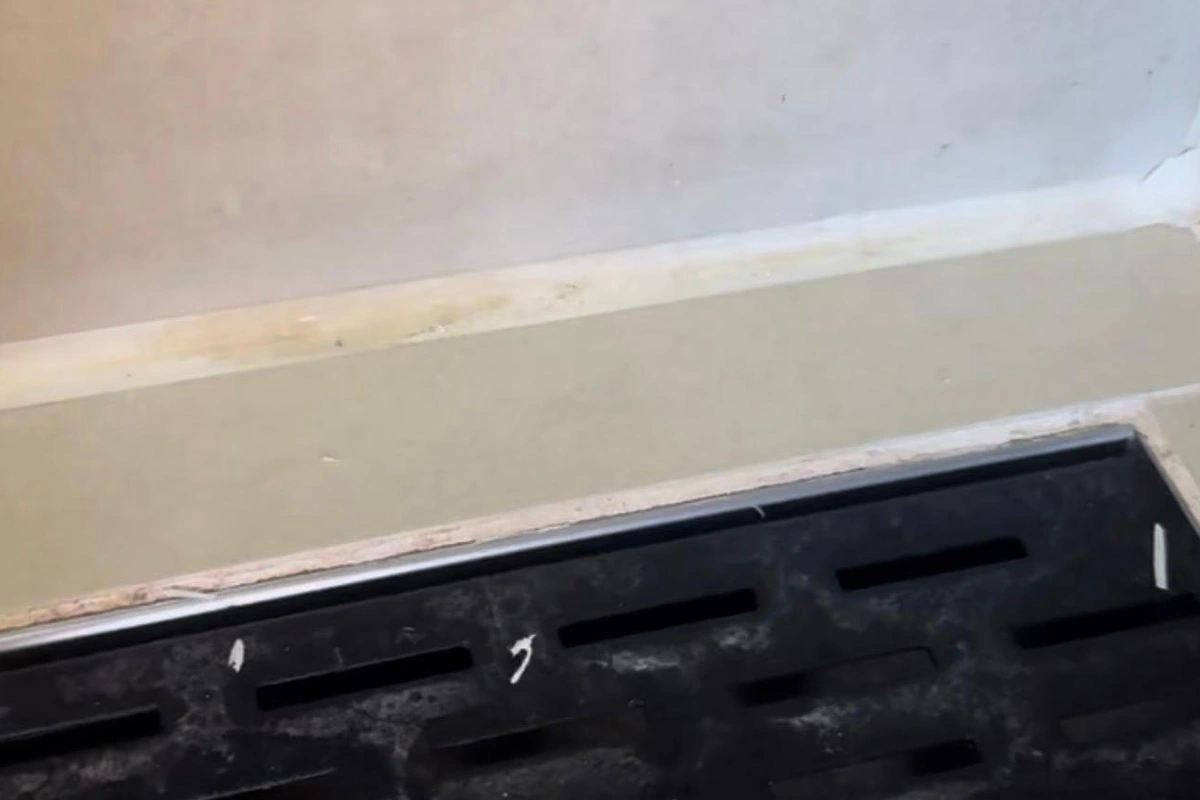
Why white silicone turns yellow
Even yellowing is chemistry, not dirt. Bleach and hard scrubbing often make it worse; the only reset is cut and replace.
-
Windows: paint inside, weather outside
Interior: paintable acrylic or hybrid, tighter to air than outside. Exterior: façade-grade neutral silicone or hybrid.