
Walk-in shower: more standing water, tighter demands
Without a tray to lead the water away, it sits on the floor and against the glass: the joint works harder than in a classic shower.
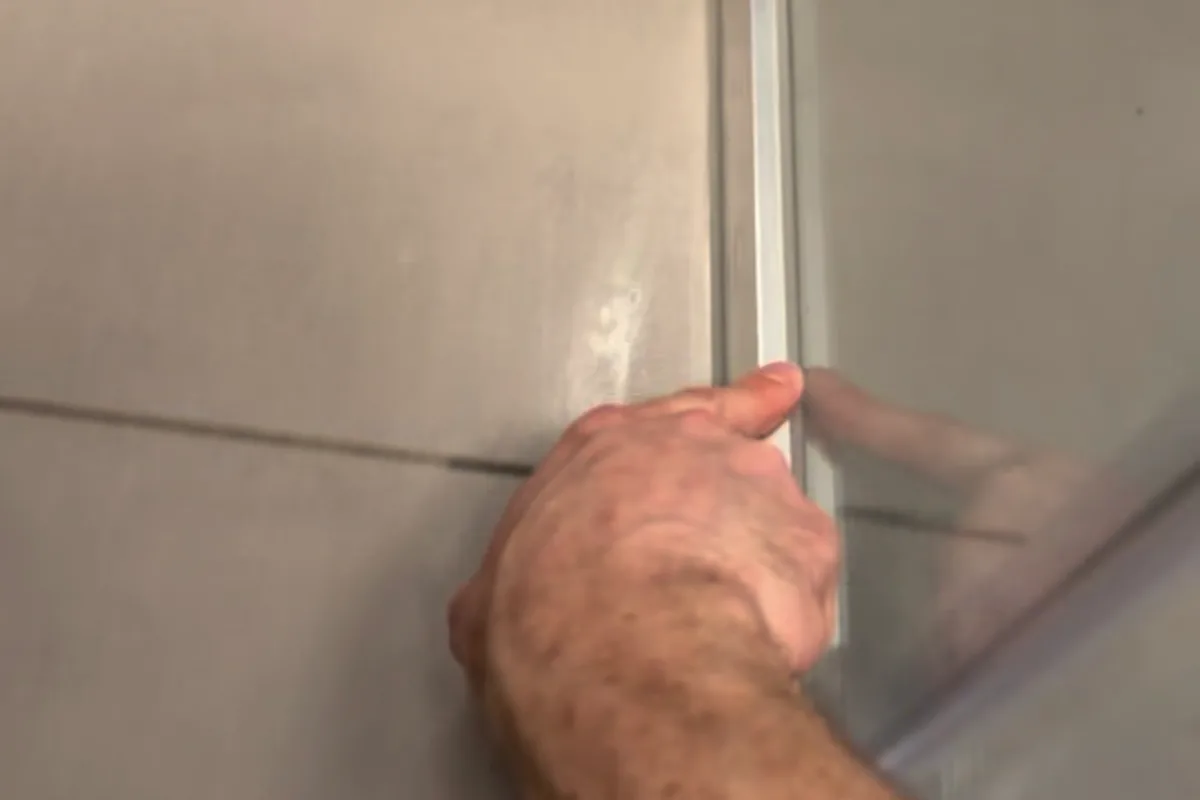
A walk-in needs decent sanitary silicone, proper geometry and backer rod. On stone, stone chemistry. A miss does not stay on the face: water goes under the screed.
Why it asks more than a tray
On a classic tray, water looks for the waste. In a walk-in, a film often sits on the floor and against the glass profile: standing water. That leans on adhesion and mould protection harder than a bead that sheds in five minutes.
A weak sanitary grade gives up earlier here. I use OTTOSEAL S100 on ceramic; for very heavy use, sometimes S140. On marble or granite, S70, so it does not stain.
A miss is not “a bit of mould”. It is water under the tiling.
Glass, fall and backer rod
The wall-to-floor meeting is the critical one. The floor falls towards the drain, so there is tension in the bead. If the fillet is skinny and there is no backer rod, it tears when the building moves.
You do not need to “butter the profile on both sides” with a fat sausage. Water that gets in under the profile by capillary action has to get out. If you close the whole perimeter, it rots inside. The screen also has to be mechanically solid before you seal. A vibrating panel is not a silicone problem.
Do not bed the glass straight onto the floor with no packing: the bead is crushed and fails early.
How I do it
- Strip old silicone to the substrate, not over it.
- Clean with a technical cleaner (soap and skin fat block the bond). Faces must be dry: moisture in the adhesive or screed, locked in, grows mould from the inside.
- Closed-cell PE backer in deep corners: two-face adhesion.
- Gun S100 or S140 under pressure, without air pockets.
- Tool with a neutral finisher, not washing-up liquid.
The linear drain meeting (stainless against tile) gets sealed too. Pick chemistry that will bond to metal and ceramic.
Classic mistakes
Sealing while the joint is still damp. Shooting over cured silicone. Tooling with soap and then wondering why it goes black so soon: soap knocks out a lot of the protection.
Afterwards
Skin in a few hours is not a full cure. On a walk-in bead, 24 hours without a shower is the minimum; if the bead is thick, 48 is more honest.
What I use on this joint
-
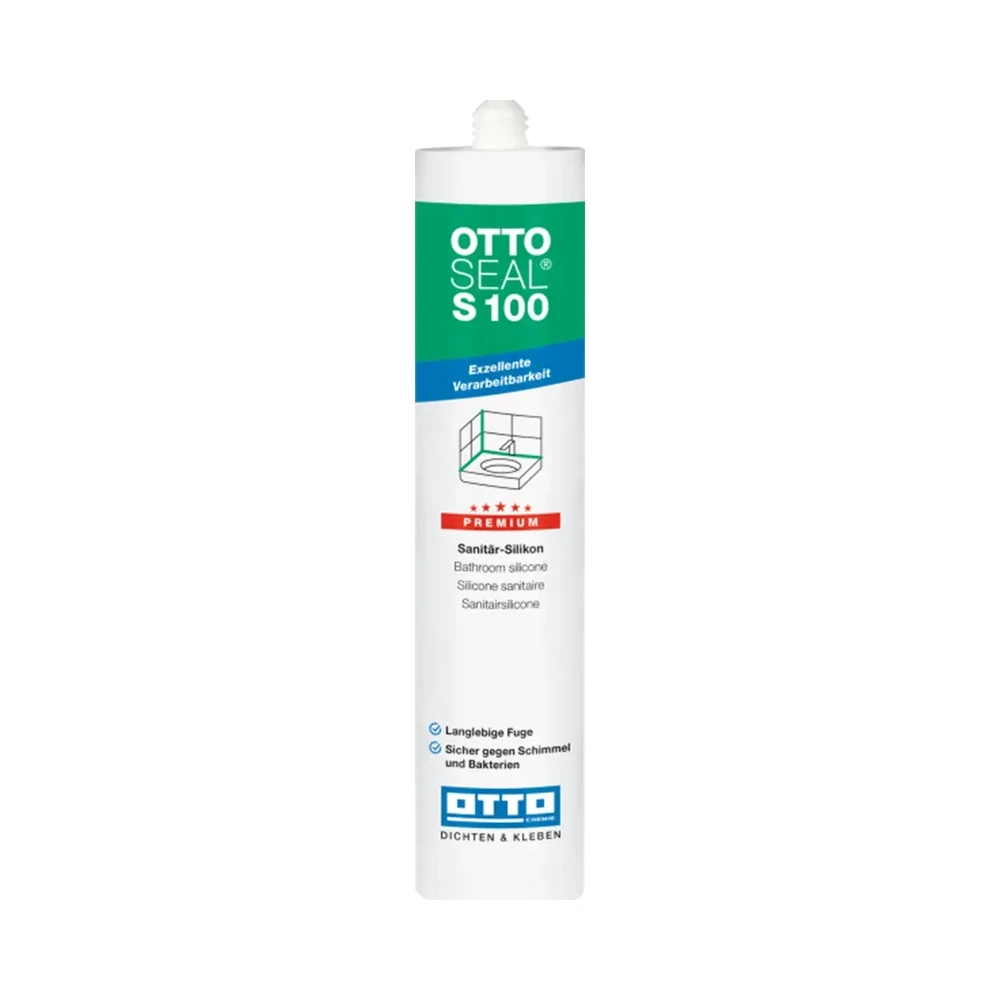
OTTOSEAL S100
The sanitary silicone I use on showers and baths. Elastic — not a staining-risk stone silicone.
OTTOSEAL S100 Purchase link not available -
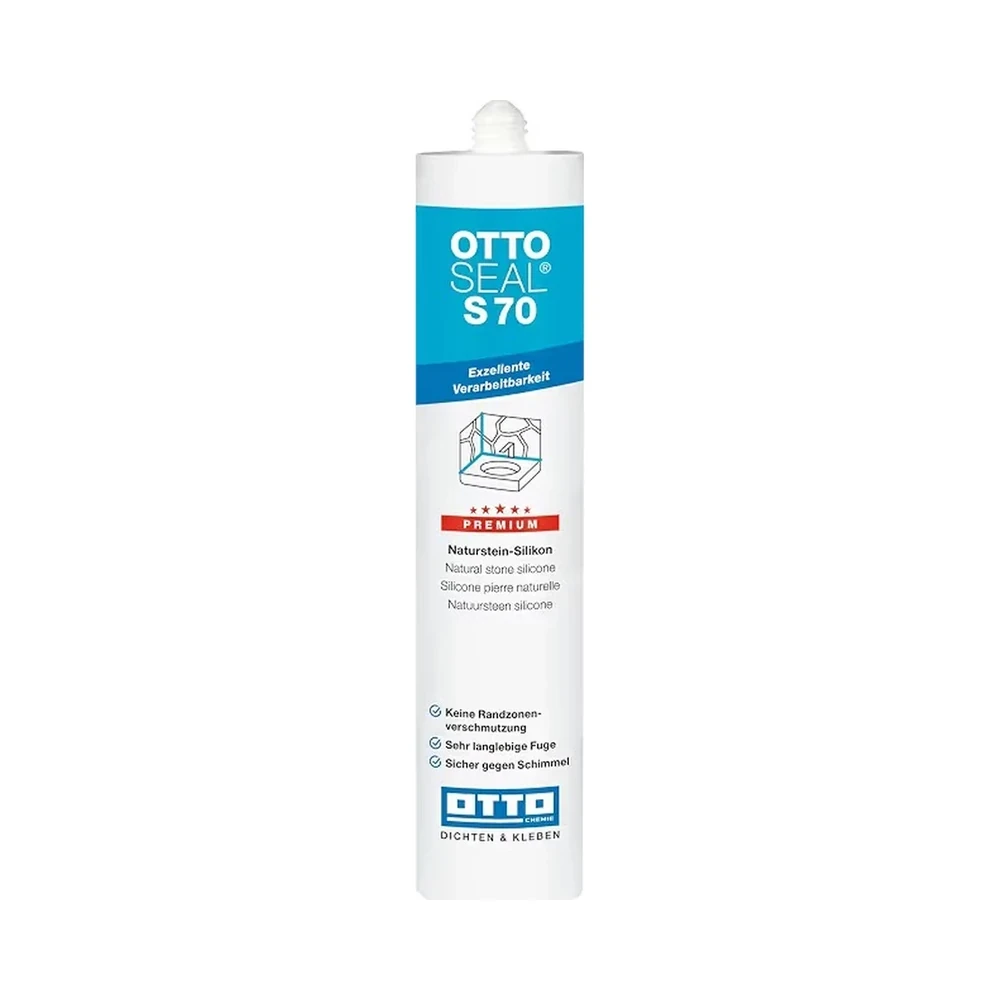
OTTOSEAL S70
For marble and natural stone — so the edge stays clean.
OTTOSEAL S70 Purchase link not available -
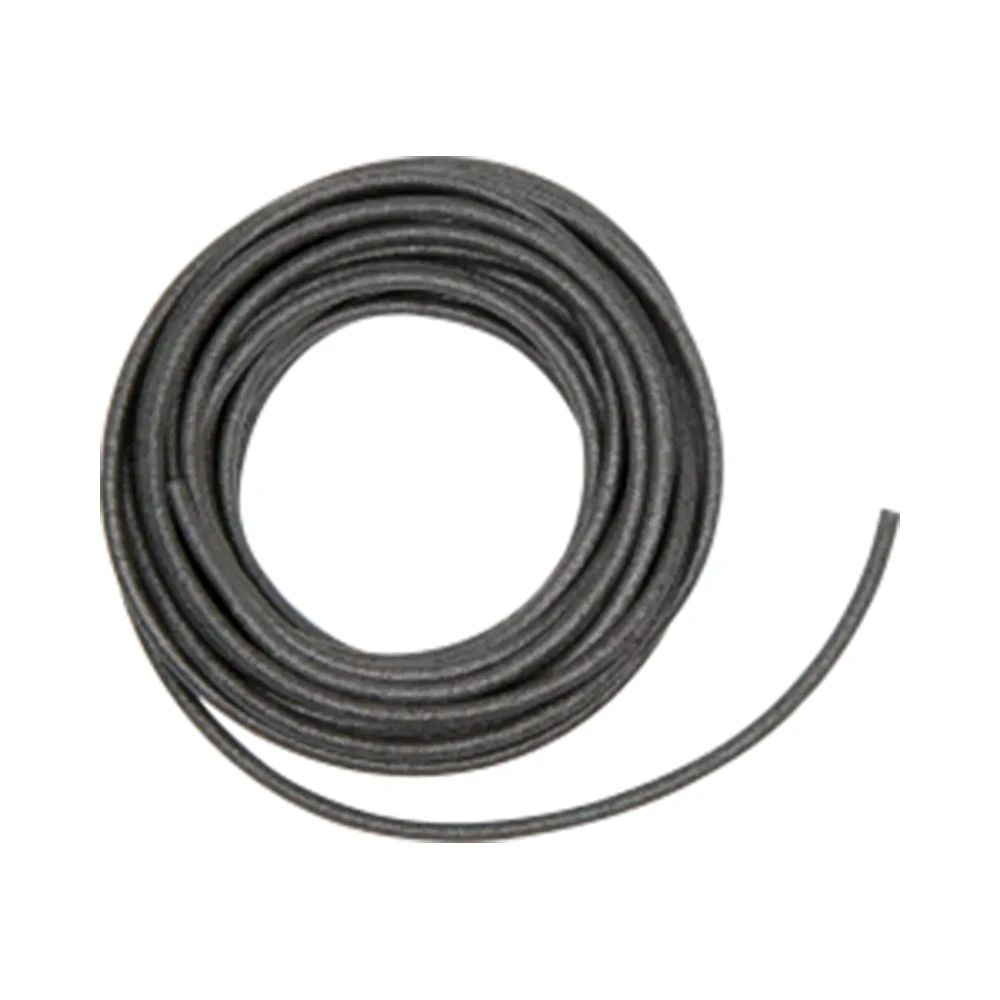
Backer rod
Closed-cell PE rod to control depth and prevent three-sided adhesion.
Backer rod Purchase link not available
-
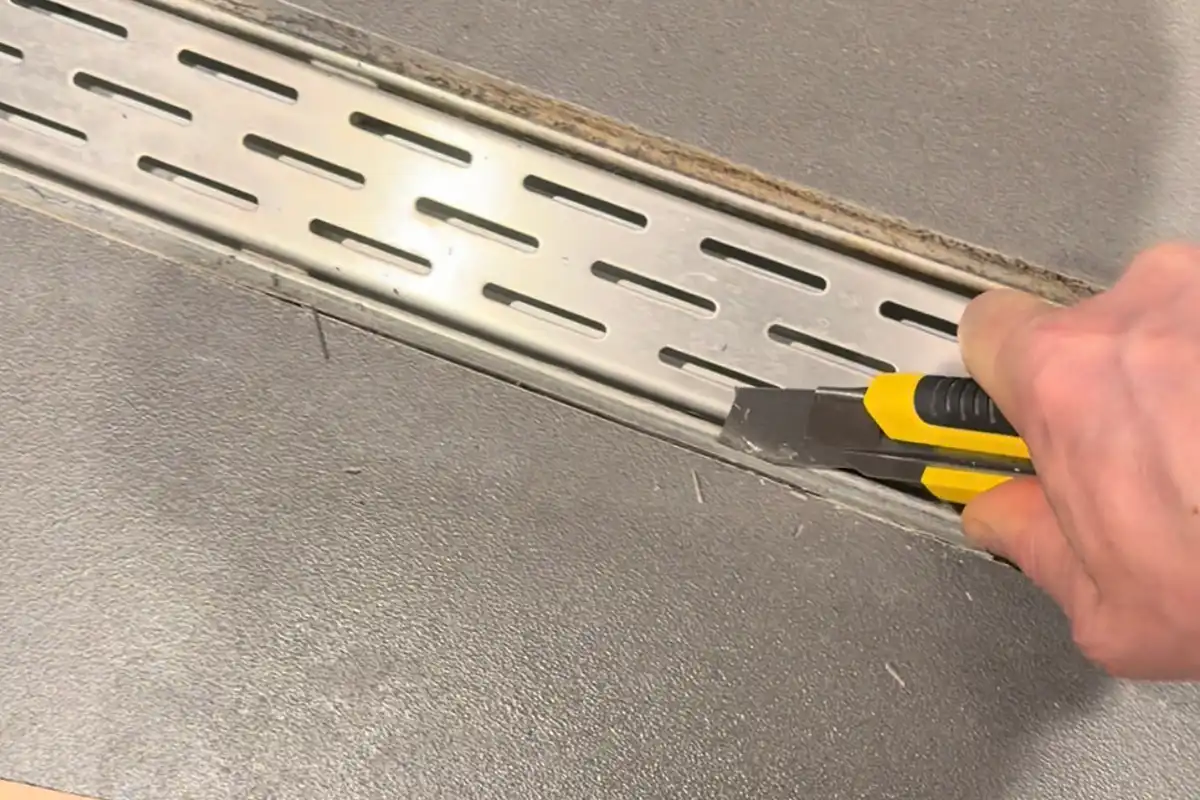
Seal the bathroom yourself: the order that lasts
Push sanitary silicone into the joint, do not lay it on top. Clean flanks, two-sided adhesion, a profile that sheds water — not washing-up liquid.
-
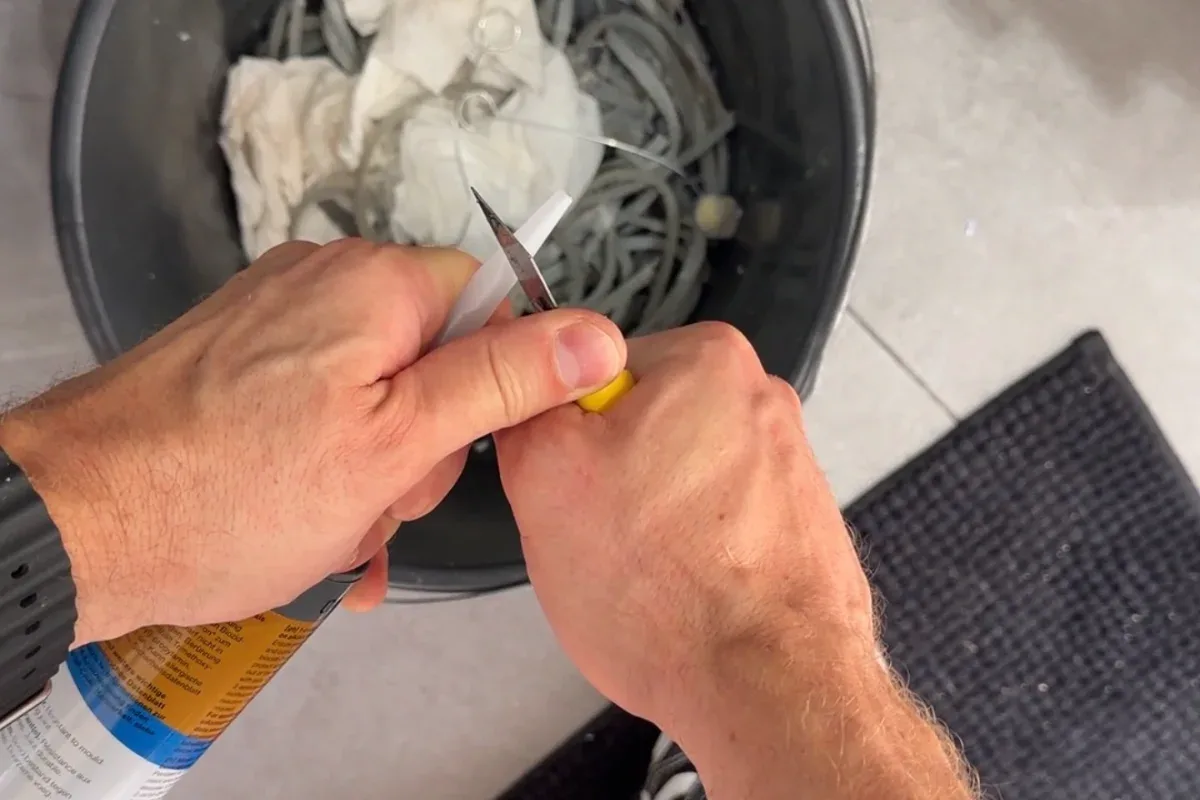
Shower screen: inside, outside or both?
On many aluminium profiles you seal the dry side and leave the wet side so water can run back into the shower.
-
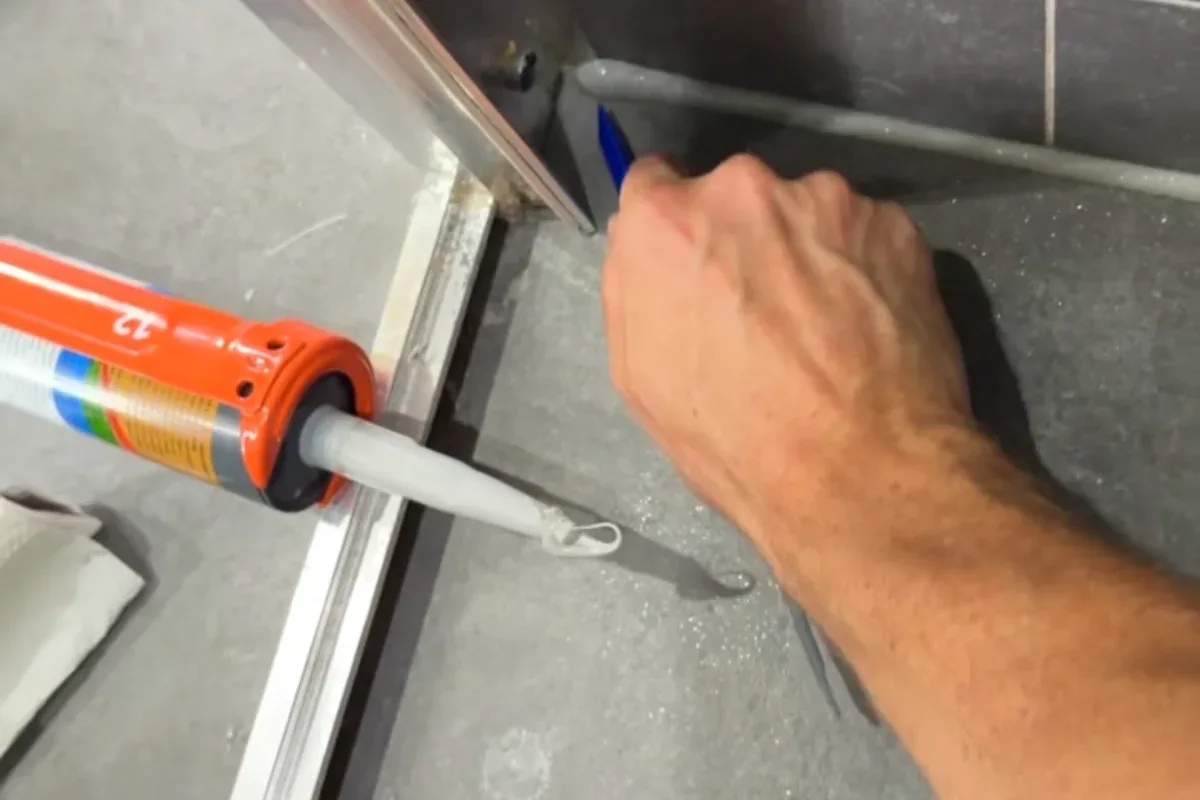
Shower drain: where silicone belongs and where it does not
The elastic joint sits between tile and frame; grate, trap and drainage slots have to stay open.