Joints done right. No shortcuts.
Technical sealing guides and the tools I actually use.

Sealing guides
Clear technical answers — no filler, no invented claims.
-
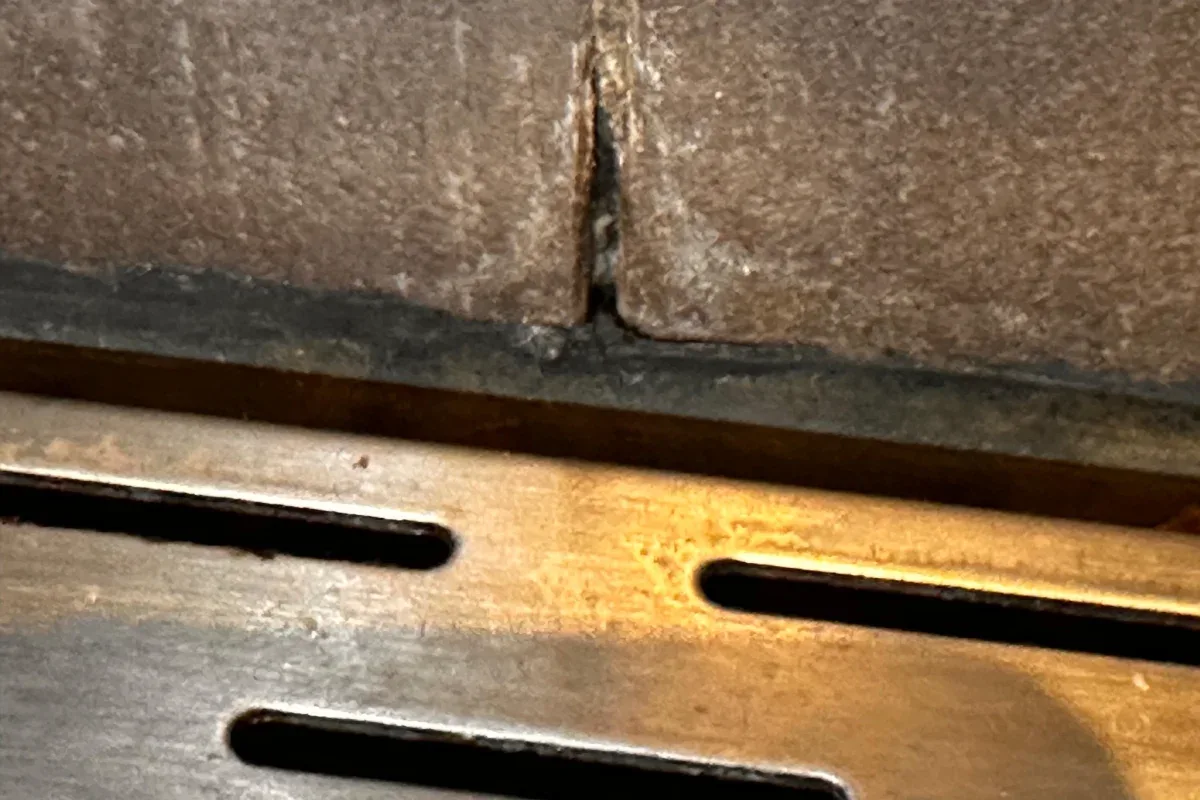
A hollow or ragged joint: the finger and the washing-up liquid
A fingertip leaves a gutter where water sits. Washing-up liquid attacks the still-wet flank and a thin smear frays.
-
A shower tray that moves: sealant will not hold it still
An elastic joint is a seal, not a support. Stabilise the tray as its manufacturer specifies, then reseal.
-
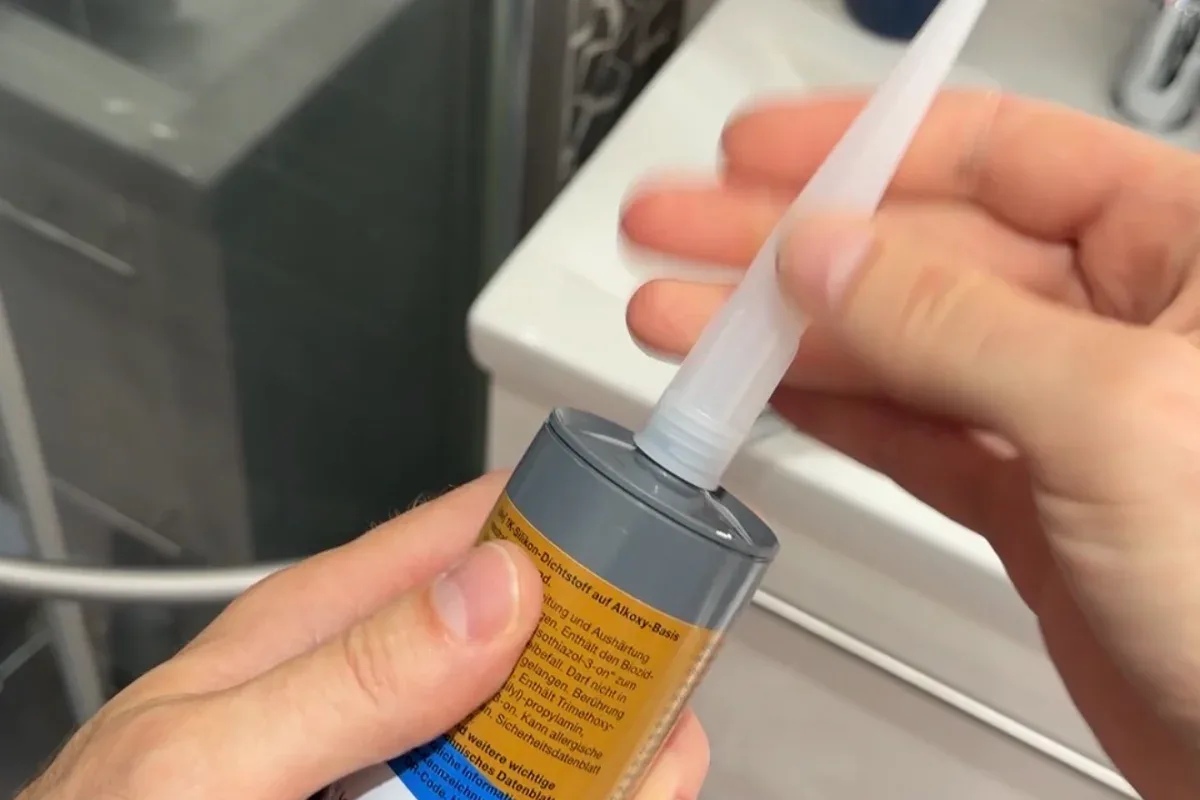
Acetoxy or neutral: the vinegar smell is not a fault
A vinegar smell marks an acetic cure: it grabs glazed ceramic well, and the acid bites stone and sensitive metal.
-
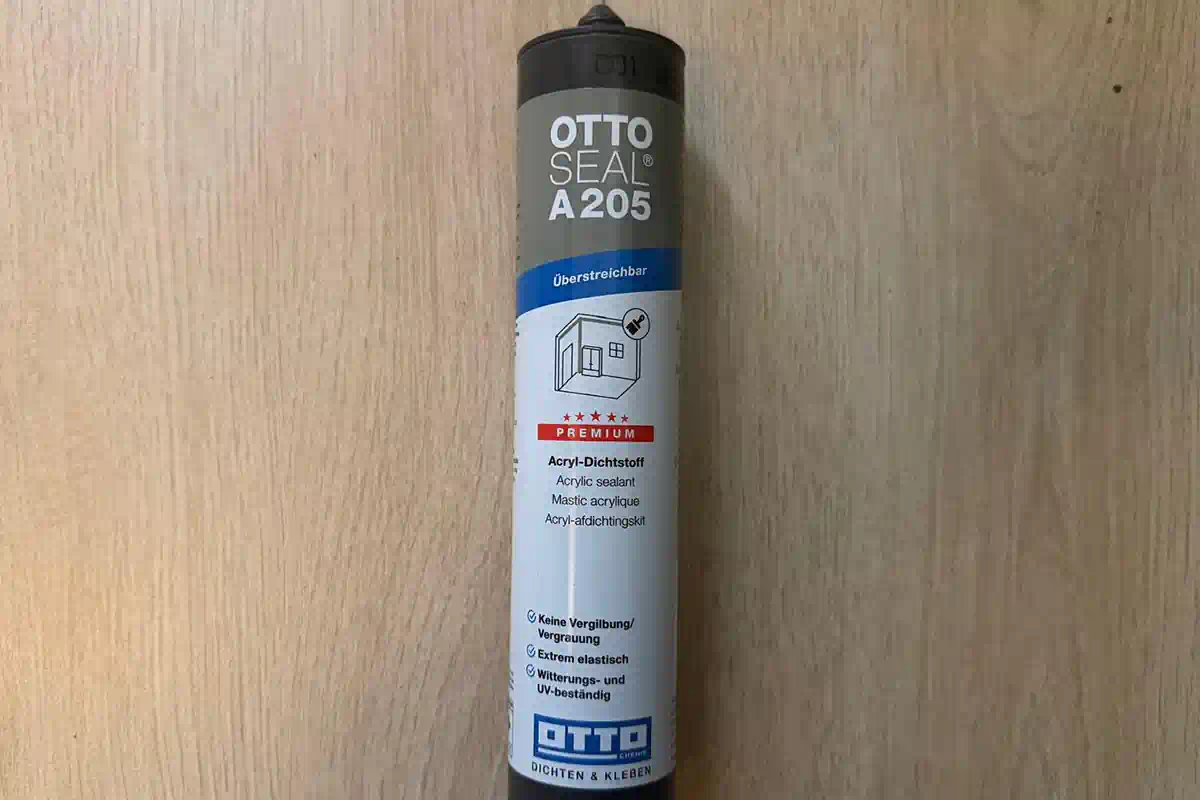
Acrylic sealant in the shower: why it will not hold water
Acrylic and silicone are different chemistries. In a wet zone acrylic can soften and fail; silicone is the usual wet-room joint.
-
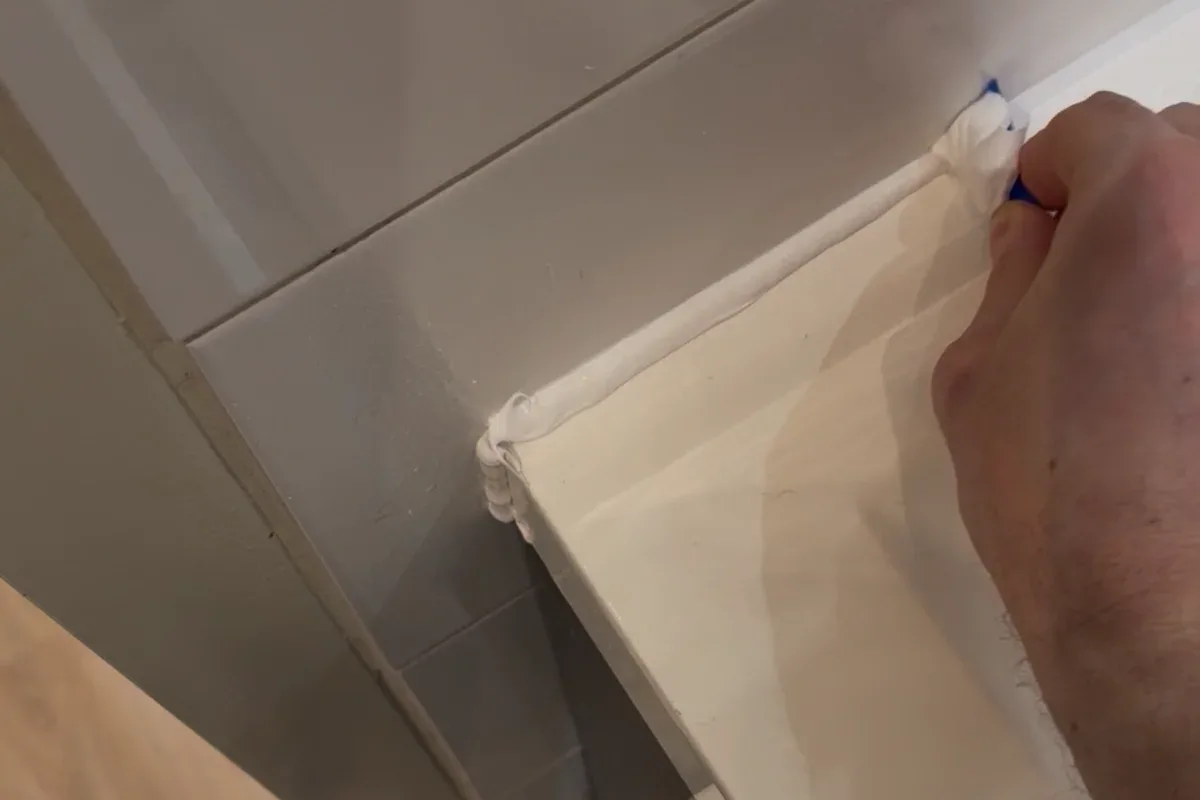
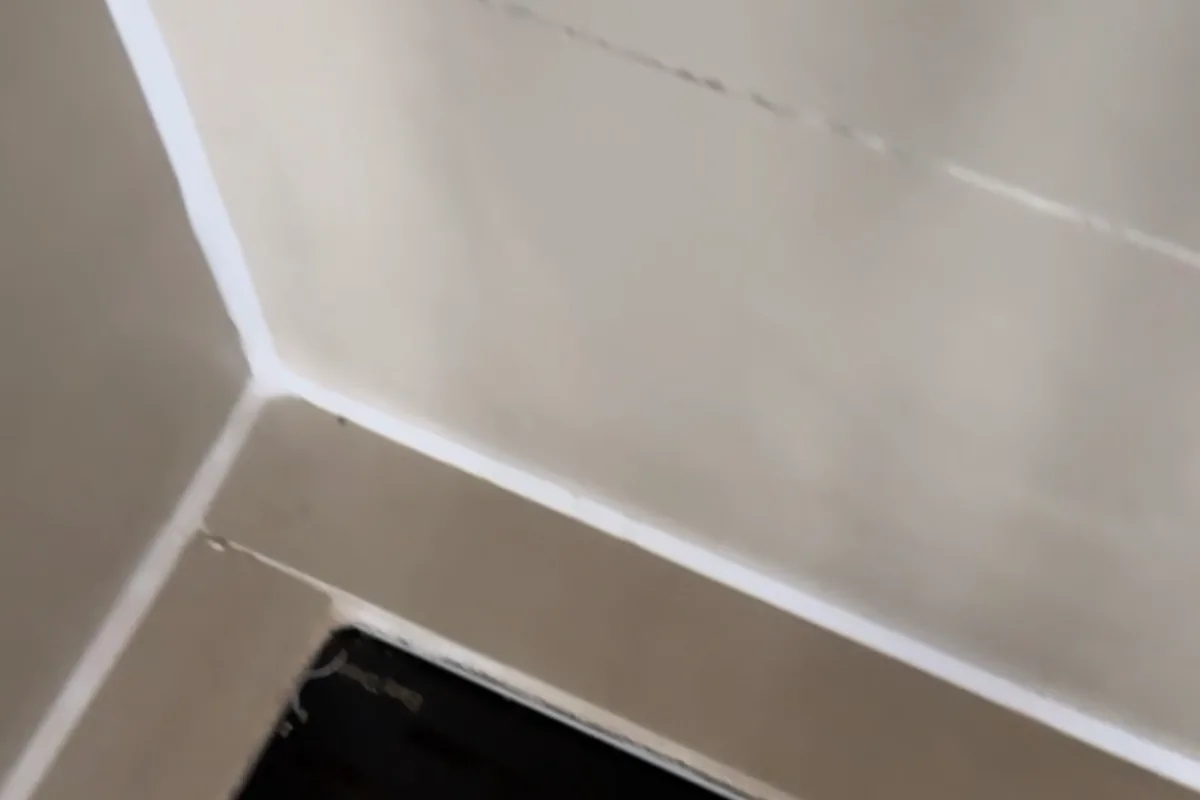
Bathroom corners: grout or silicone
Wall-wall and wall-floor internal corners take an elastic joint. Cement grout cracks there; silicone does not replace the waterproofing band behind the tile.
-
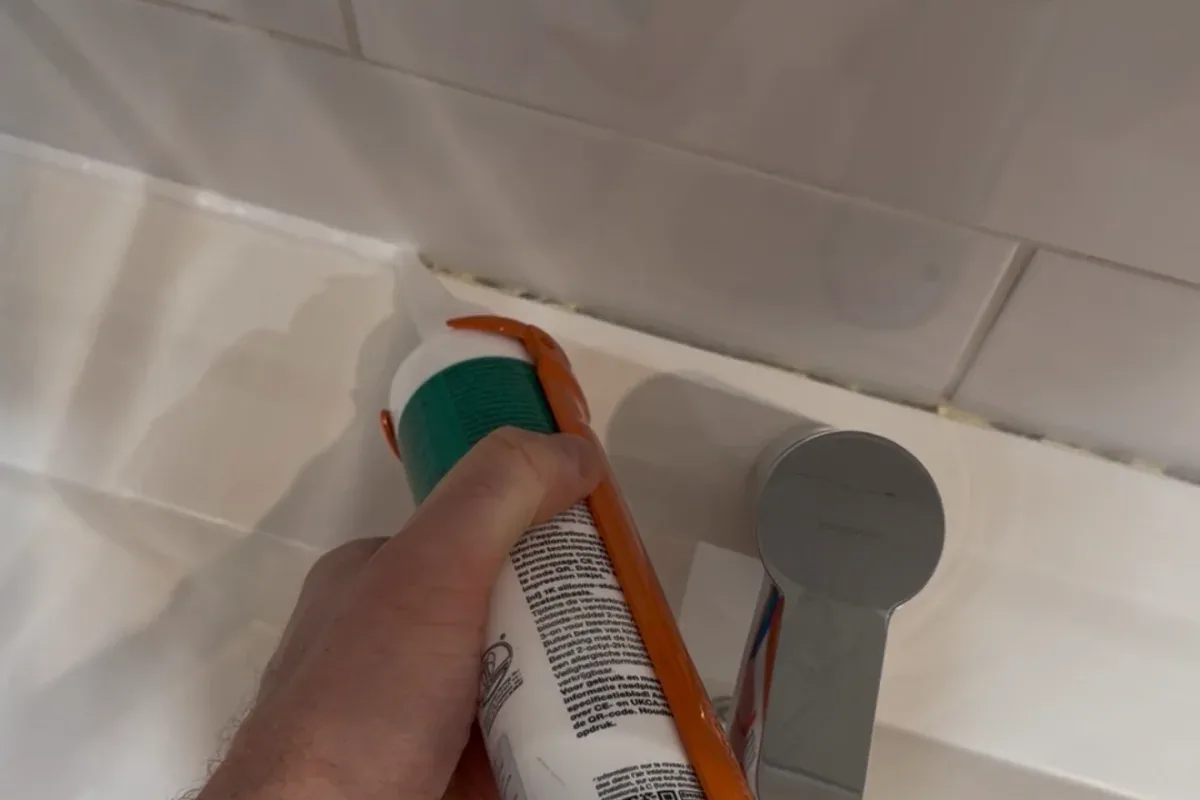
Can I put new silicone over the old layer?
Cured silicone will not take a chemical bond. You get a cold joint and water creeps between the layers.
What I actually use
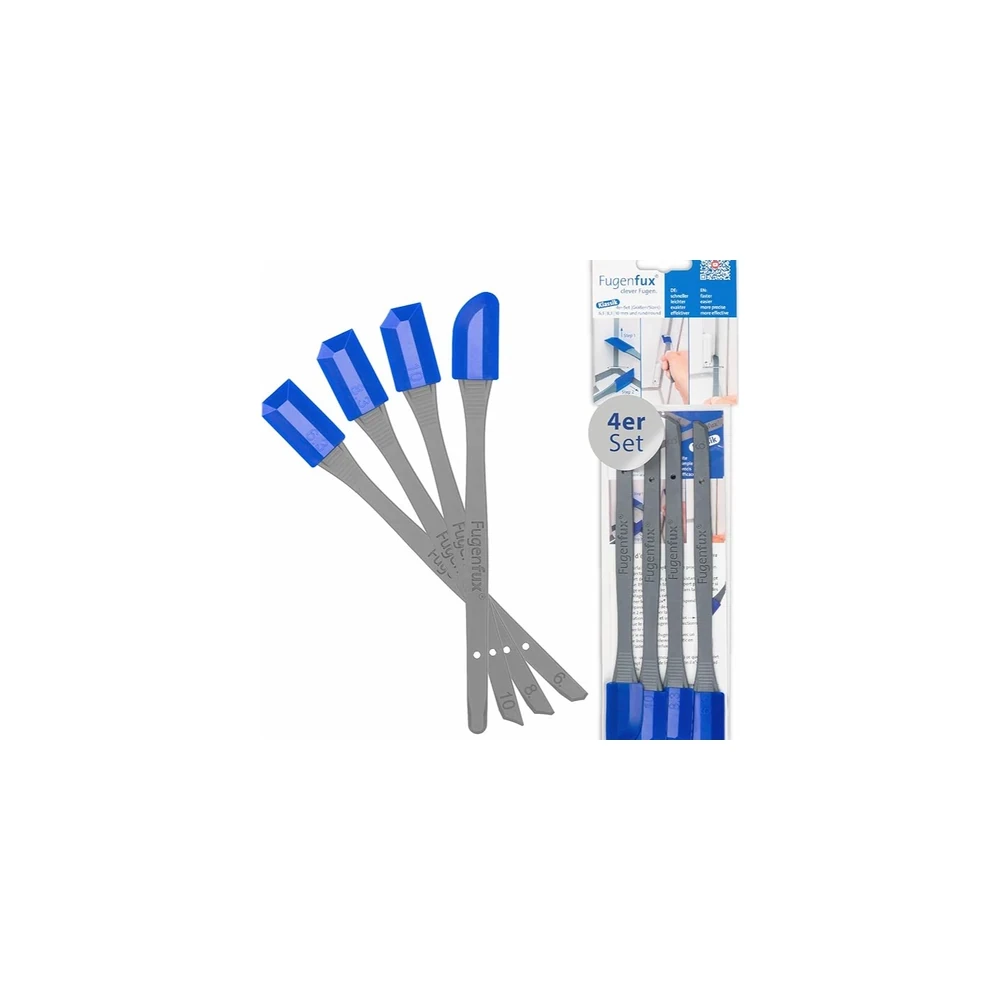
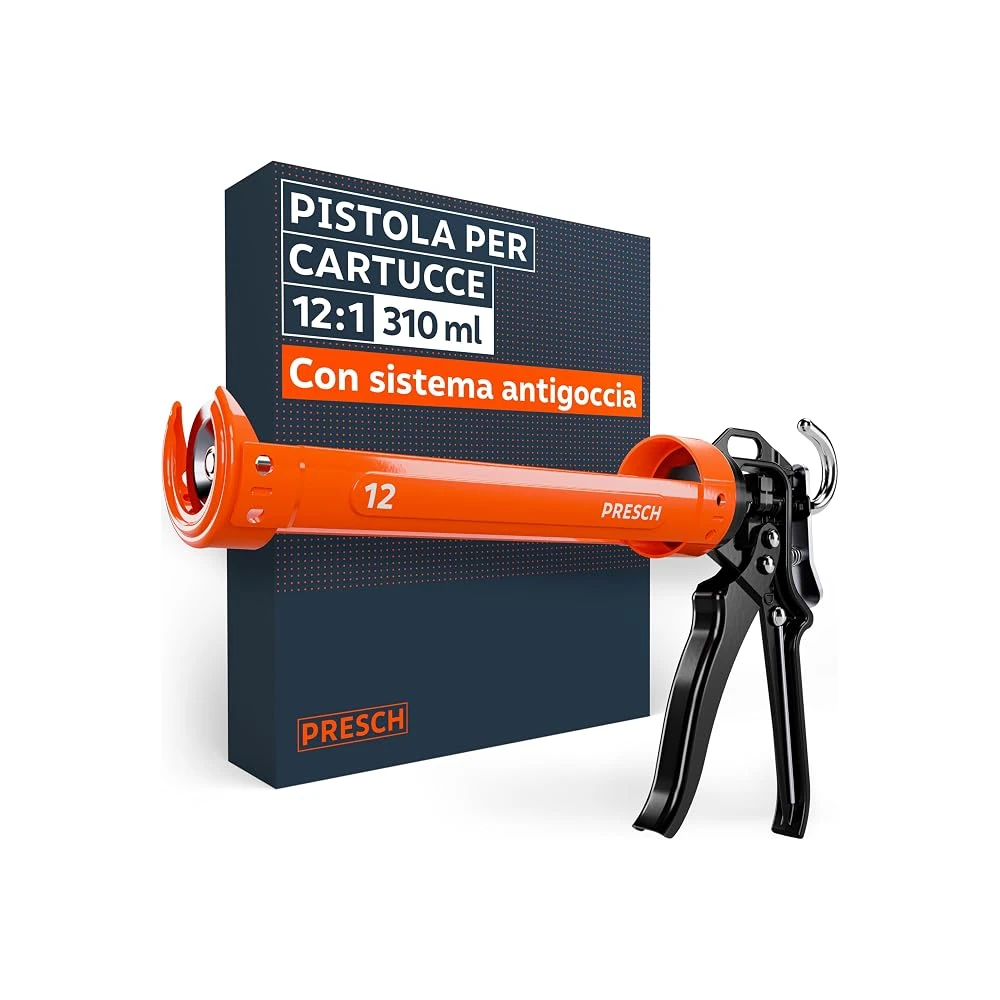
Tools and silicones I actually use. Buy links, when they exist, go to Amazon Italy.