
A gap between the skirting board and floor: should you fill it?
First decide whether it is a fixed trim joint or an expansion space for a floating floor. The two need different treatment.
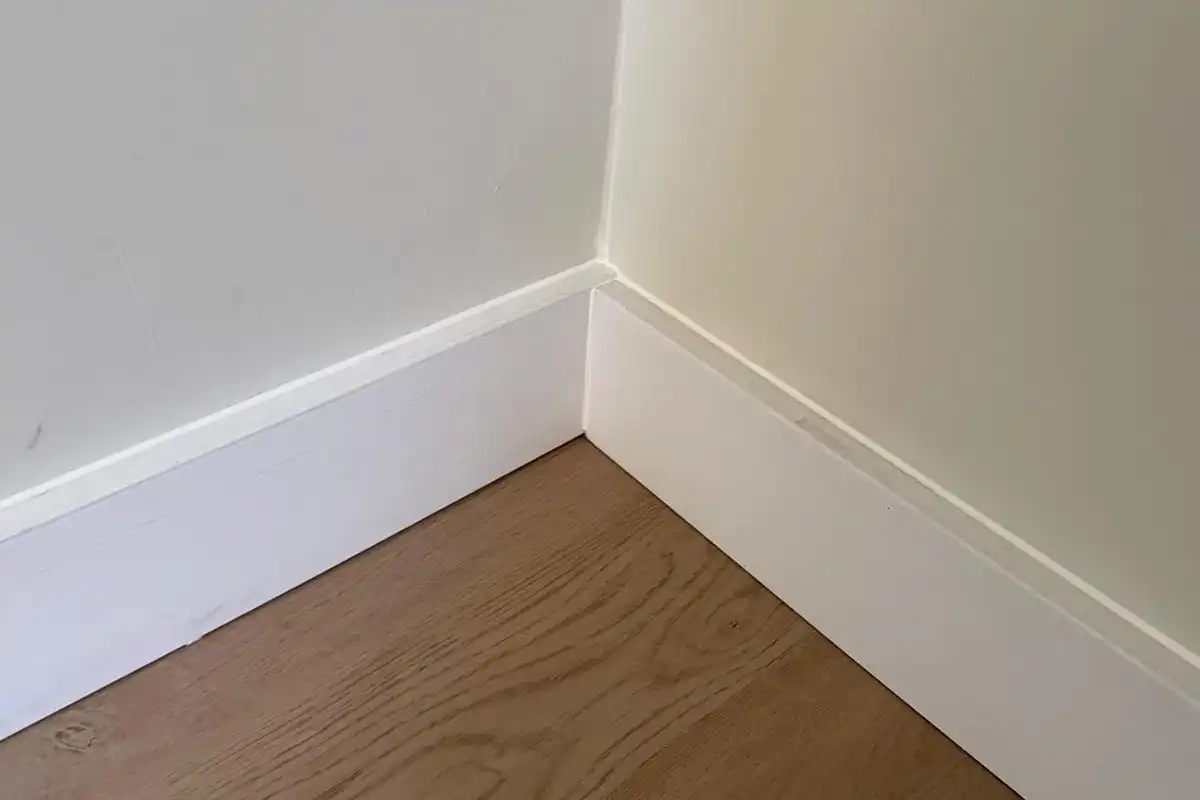
If it is a floating floor’s expansion gap, preserve the movement required by the fitting instructions. Choose sealant only for a fixed joint the system permits you to fill.
Buying through a product link may earn us a commission at no extra cost to you.
Can the gap below the skirting be filled?
Identify how the floor was installed. On a floating floor this gap may be its required expansion space; do not lock it with sealant. For a fixed junction, check adhesion, moisture and movement first. The PVC clip shows a particular finish rather than a rule for every floor.
Painted top edge or a joint exposed to water?
For a fixed, dry board-to-wall edge that will be painted, consider OTTOSEAL A205. At the lower edge, follow the flooring and sealant instructions. Only where the system allows a bead, apply it with PRESCH and finish with Fugenfux.
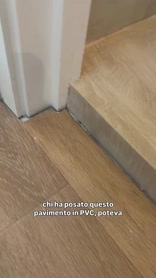
Top and bottom edges of the skirting
A skirting on a PVC floor (or any floor you mop) does not want the same sealant top and bottom. Below there is rub, floor movement, often plasticisers from the PVC, and mop water. Above there is plaster or paint: you want a joint you can paint with the wall.
One cartridge for both lines is the usual mistake. Acrylic sealant underneath drinks water, goes soft, picks dirt and cracks. It also does not have the elasticity of a floor joint.
PVC carries plasticisers to stay flexible. Some silicones react: the bead stays tacky or discolours. Underneath I want a plasticiser-resistant neutral or an elastic hybrid. No aggressive acetic chemistry against PVC.
For a dry interior joint that will be painted, check the expected movement against the data sheet for OTTOSEAL A205. Try the finish with your actual paint.
When to seal — and when not
Yes, below: neutral silicone or elastic hybrid that takes mopping.
Yes, above: paintable elastic acrylic, to finish with the wall.
No acrylic below. First mop, water in; black edges follow.
Do not lock a floating floor that is hard against the wall. Without an expansion gap the floor humps. That is not “fixed” with paste: free the perimeter first, then an elastic bead that does not block the float.
Before opening the cartridge, try the Presch silicone gun in the tightest corner. Check you can turn your wrist and release pressure at the end of the run.
How I do it
- Degrease floor, skirting and wall. Factory PVC often has a film; without a clean, adhesion is weak.
- If the gap is deep, closed-cell PE backer rod. Without it, three-sided adhesion: floor, skirting and the wall or slab behind. The bead tears.
- Even bead below; tool with a suitable finisher and a spatula.
- Above, acrylic between skirting and wall. Tool it and let it cure before painting. Depending on temperature and humidity, from a few hours to a day; the product decides, not a universal clock.
Dry-fit the Fugenfux profiling tool. Choose the edge that meets both sides without scooping out the middle, then tool the bead before a skin forms.
Common mistakes
Acrylic on the floor edge. Skipping the degrease on PVC. Filling a wide slot without backer rod. A hybrid or silicone that is too stiff below: the floor still wants to move.
Tools and materials for this job
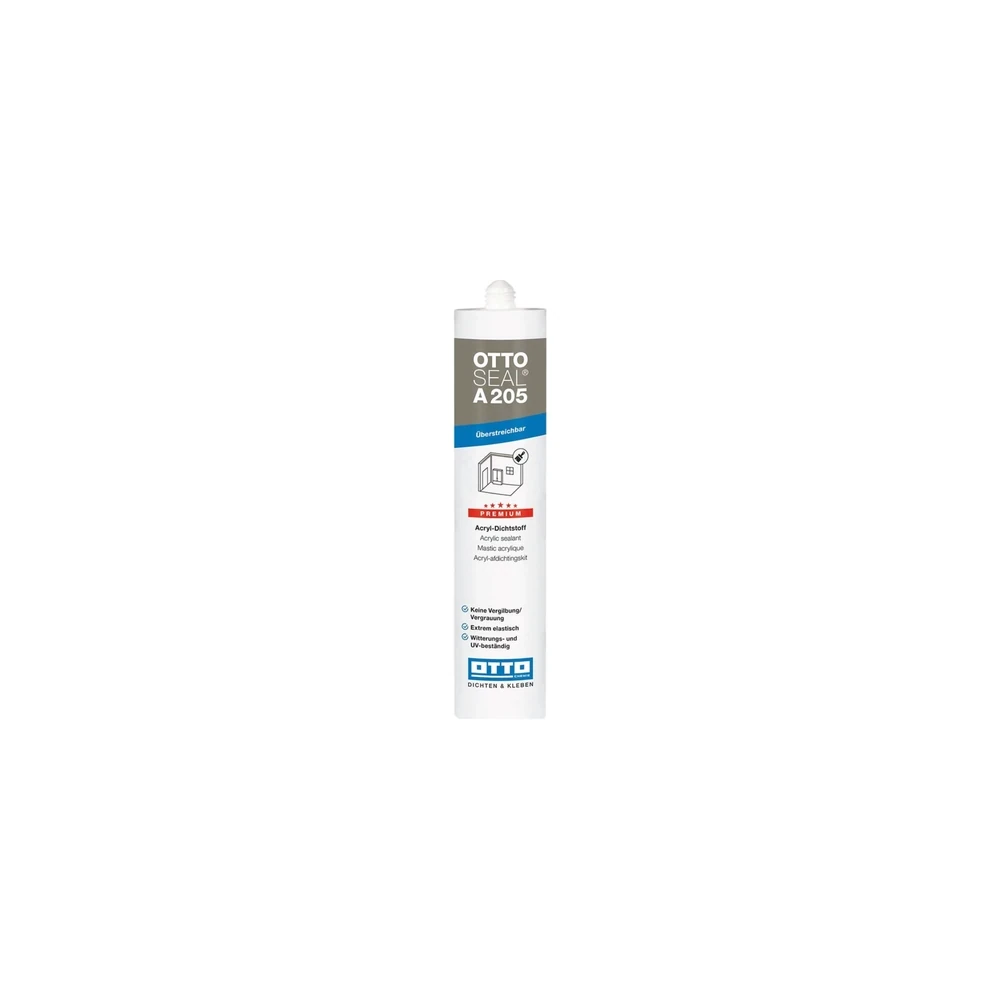
OTTOSEAL A205
For a dry joint that will be painted. Check movement and paint compatibility.
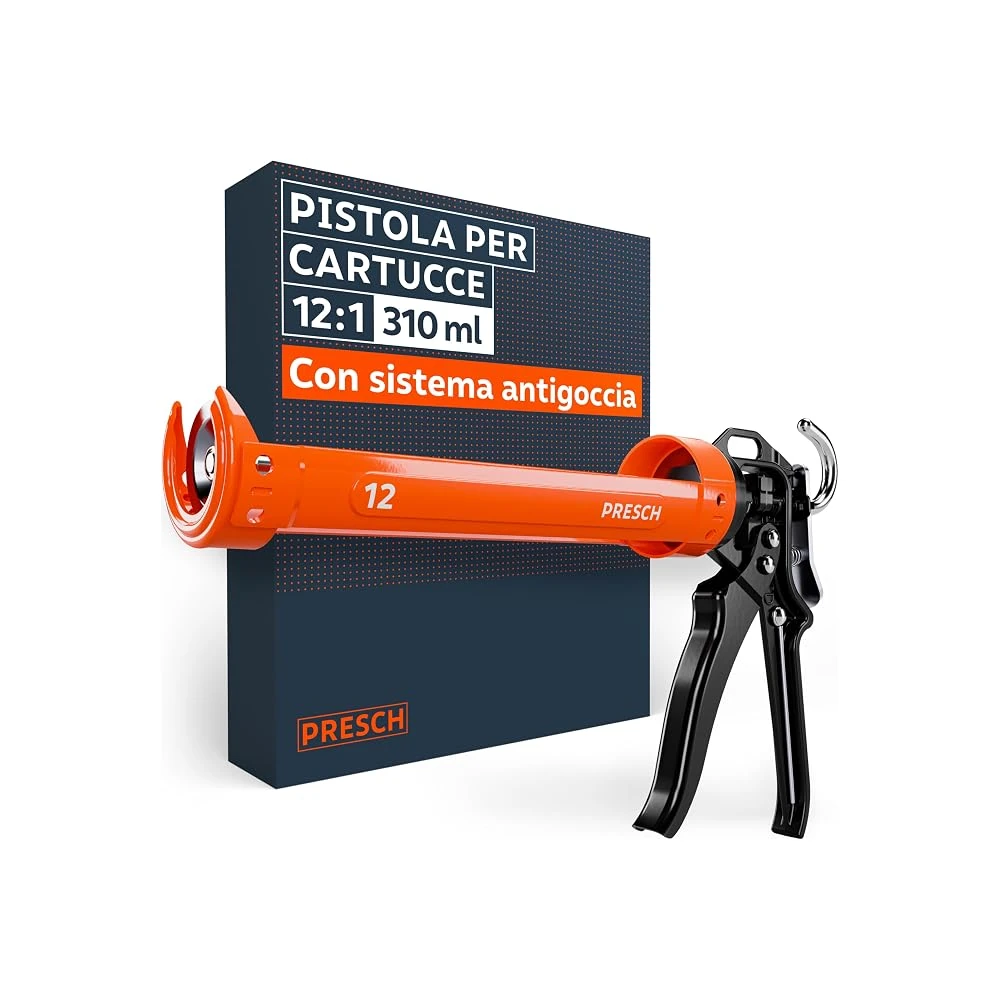
Presch silicone gun
Manual cartridge gun. Check you can release pressure in the last centimetre.
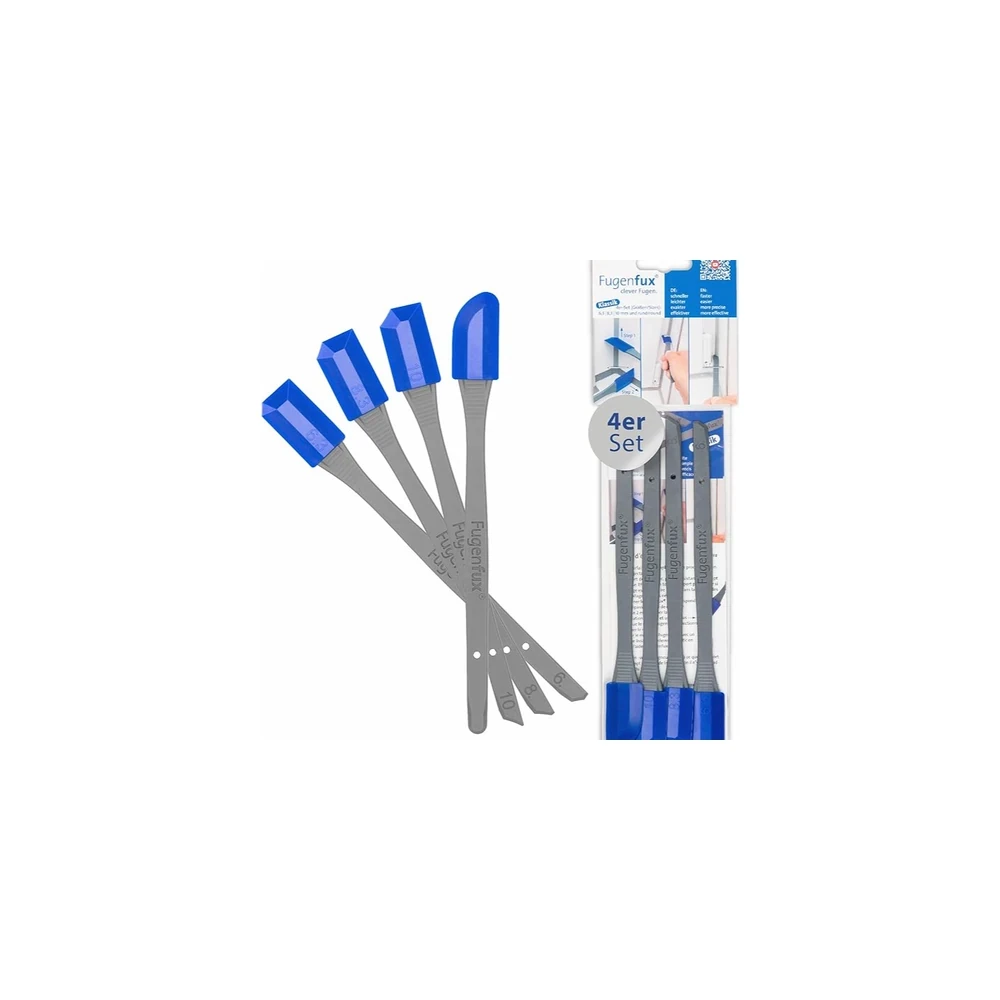
Fugenfux
Profiling tool. Dry-fit the edge that reaches both sides of the joint.
Exceptions
Solid timber skirting on a stone floor has different chemistry and movement; the principle (wet and elastic below, paintable above) usually still holds. A floor that already humps is a perimeter problem, not a cartridge colour.
-
Cracked paint along a skirting board
Look for a split in the paint, the sealant or the board itself. Repainting only addresses the first of those problems.
-
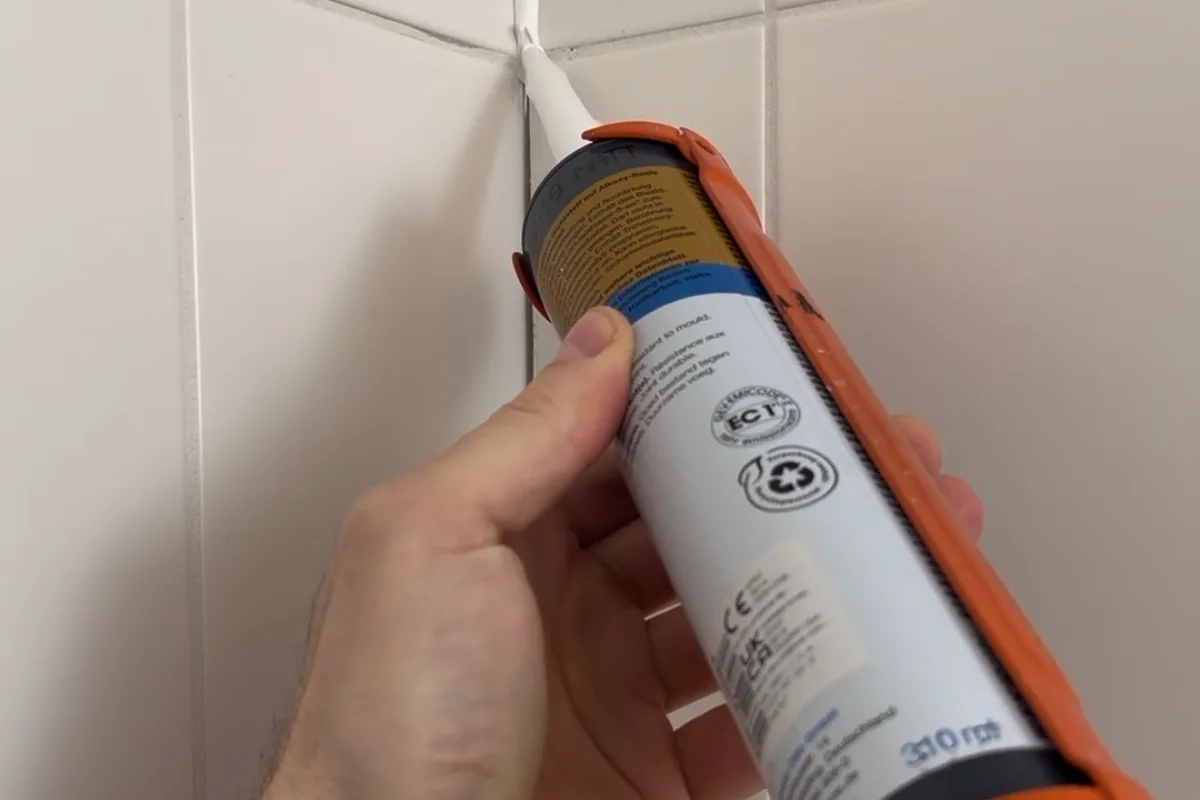
Can you paint silicone sealant?
Check that the specific sealant accepts paint and try the combination on an offcut. For a shower bead, choose the cartridge colour.
-
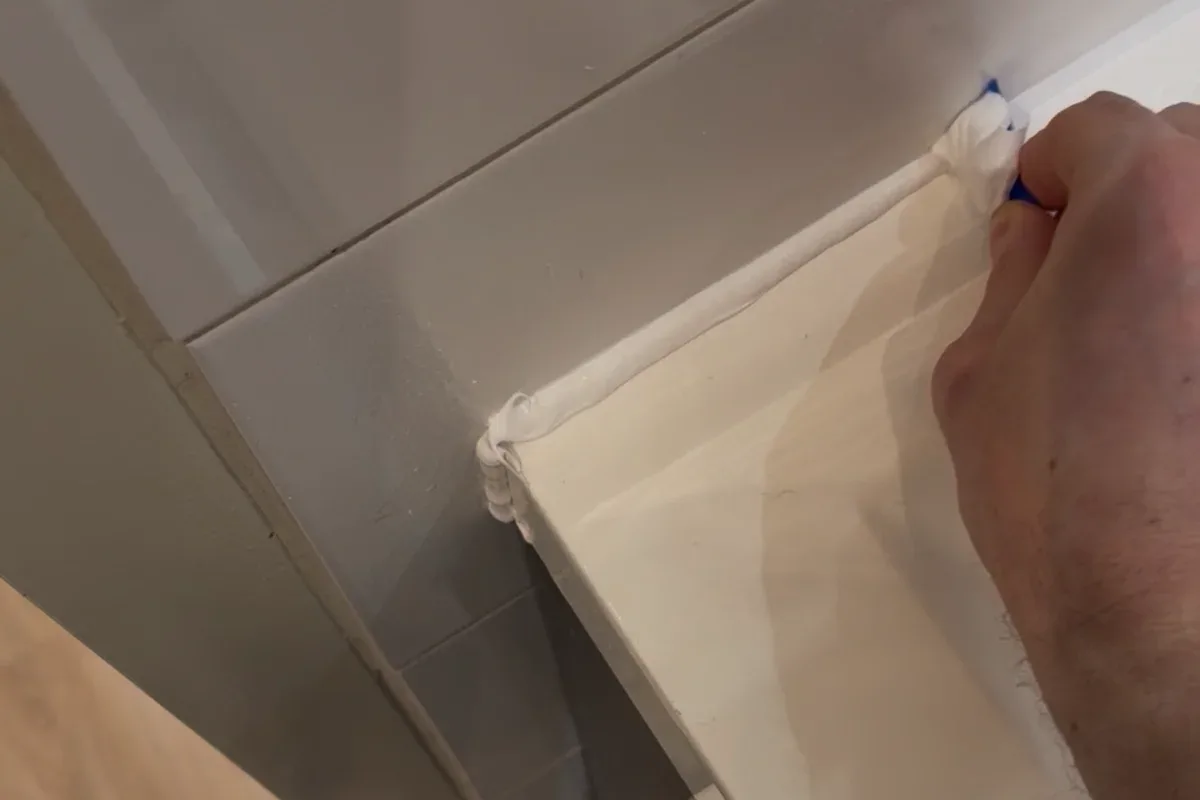
Movement joints in a tiled floor
Trace the joint and identify how the floor system allows movement. Rigid filler can crack again as the floor moves.