
Bathroom
Clear technical answers — no filler, no invented claims.
-
A shower tray that moves: sealant will not hold it still
An elastic joint is a seal, not a support. Stabilise the tray as its manufacturer specifies, then reseal.
-
Acetoxy or neutral: the vinegar smell is not a fault
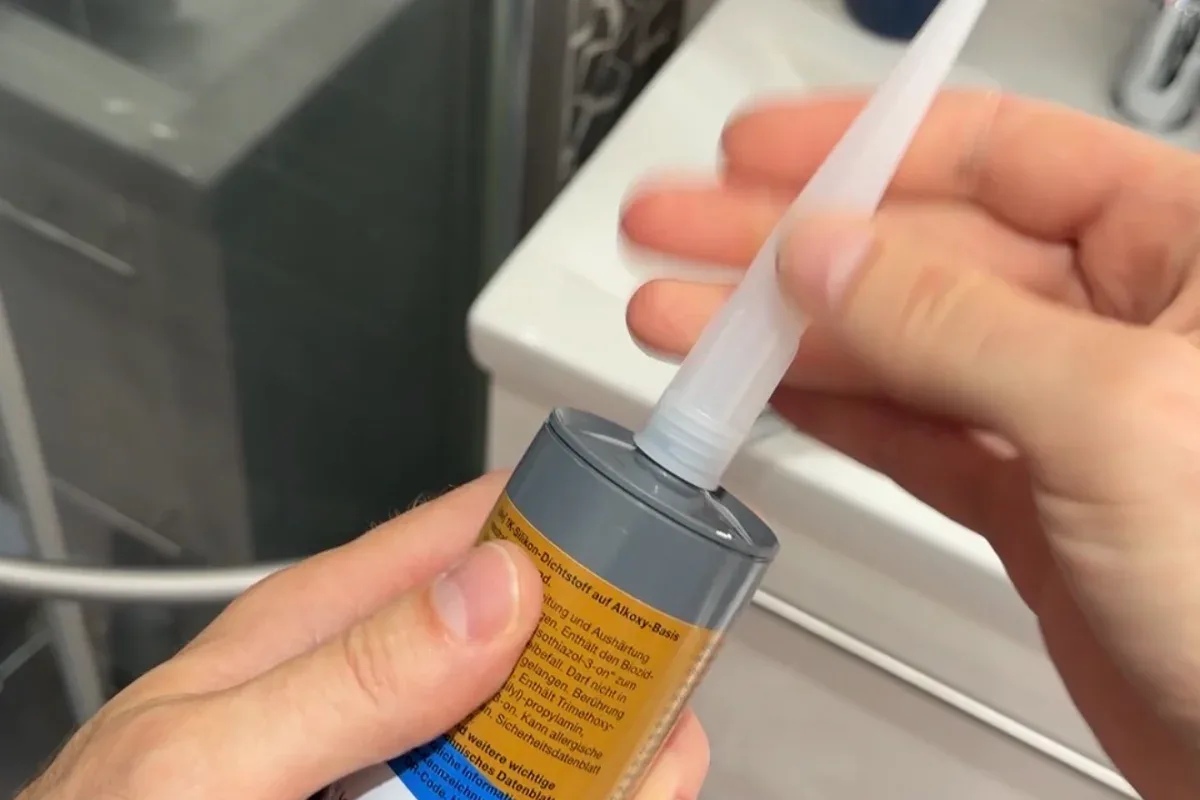
A vinegar smell marks an acetic cure: it grabs glazed ceramic well, and the acid bites stone and sensitive metal.
-
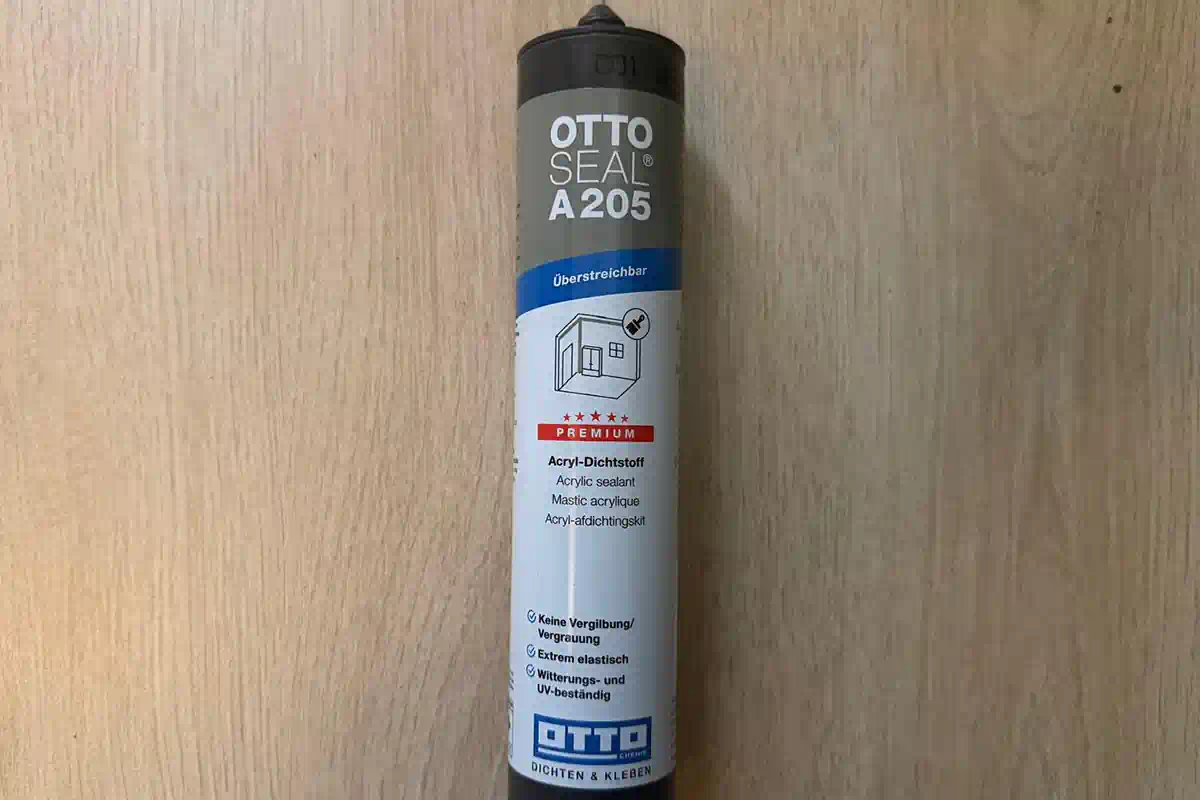
Acrylic sealant in the shower: why it will not hold water
Acrylic and silicone are different chemistries. In a wet zone acrylic can soften and fail; silicone is the usual wet-room joint.
-
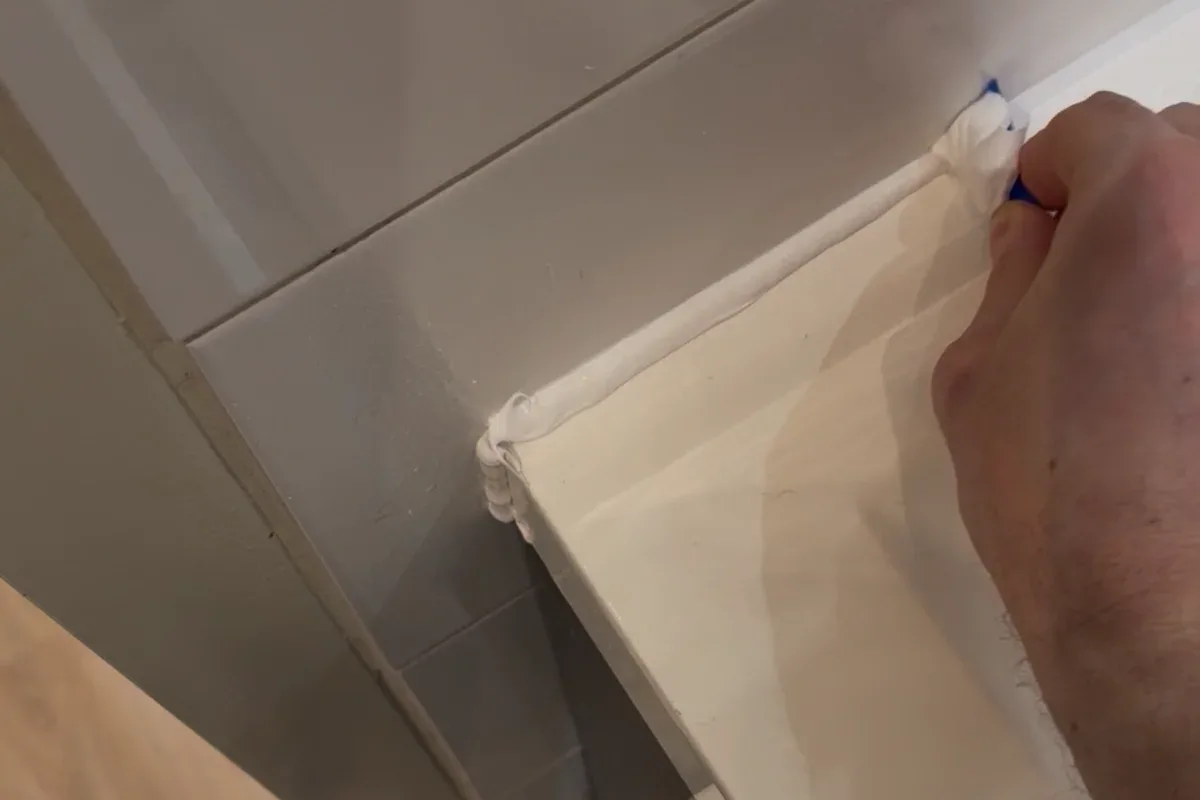
Bathroom corners: grout or silicone
Wall-wall and wall-floor internal corners take an elastic joint. Cement grout cracks there; silicone does not replace the waterproofing band behind the tile.
-
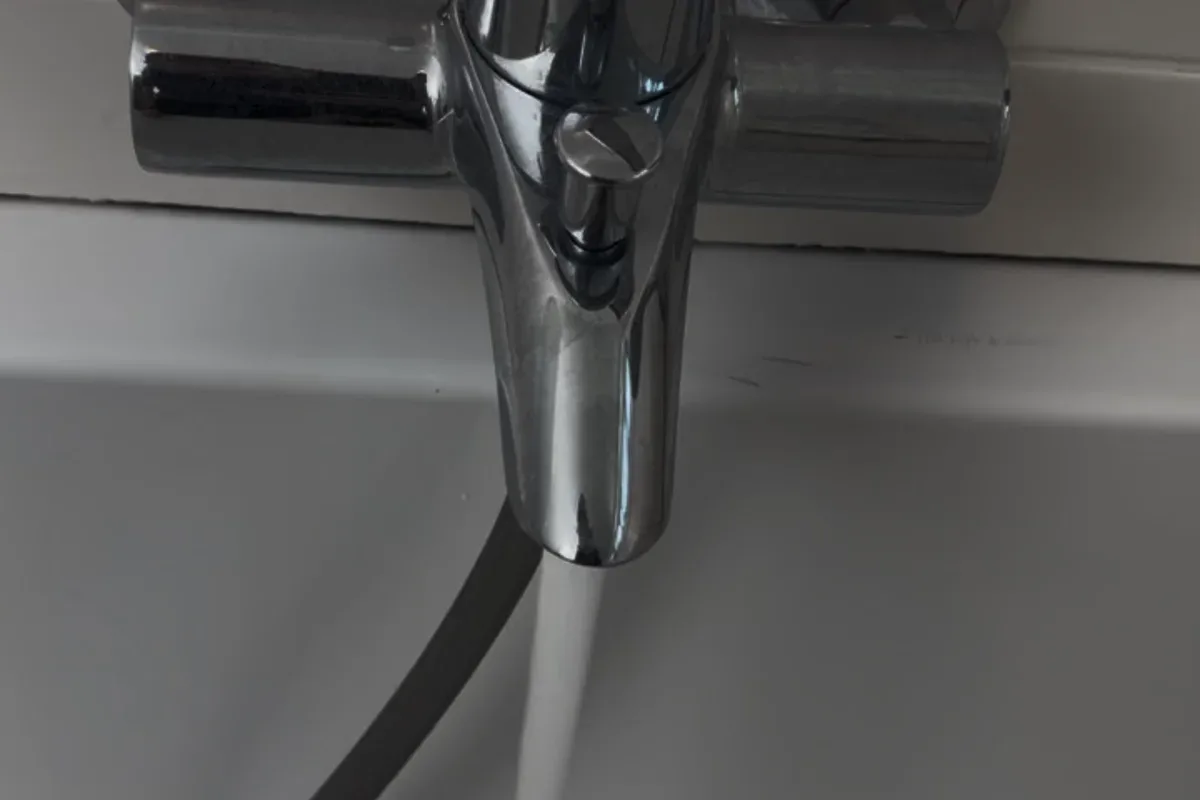
Do you fill the bath before sealing?
Acrylic and thin steel often sag under weight. Filling is not a universal rule: watch how that bath moves and what its maker asks.
-
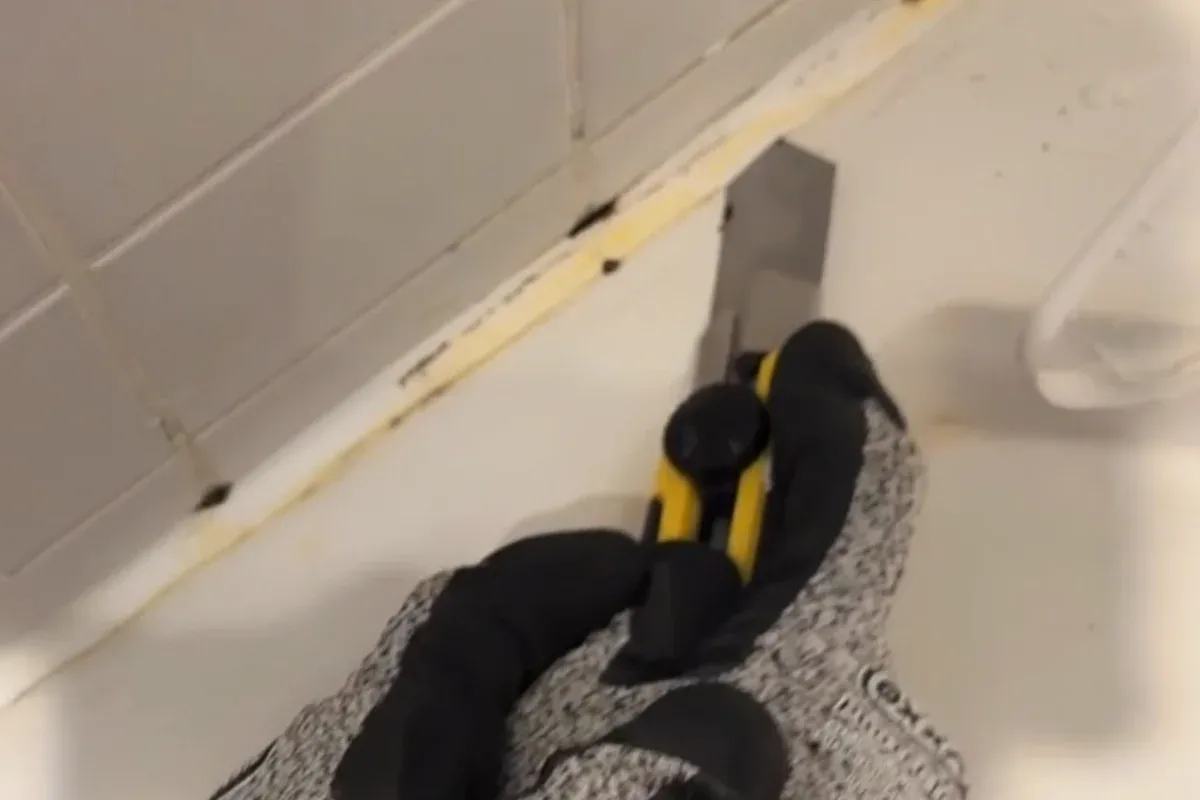
Do you seal the toilet to the floor?
Floor-standing, yes: so mop water stays out. Wall-hung: sides and top; sometimes a witness gap below.
-
How long to seal a bathroom (you versus someone who does it daily)
The bead is the quick bit; cleaning and geometry eat the day, and stripping old silicone usually doubles the time.
-
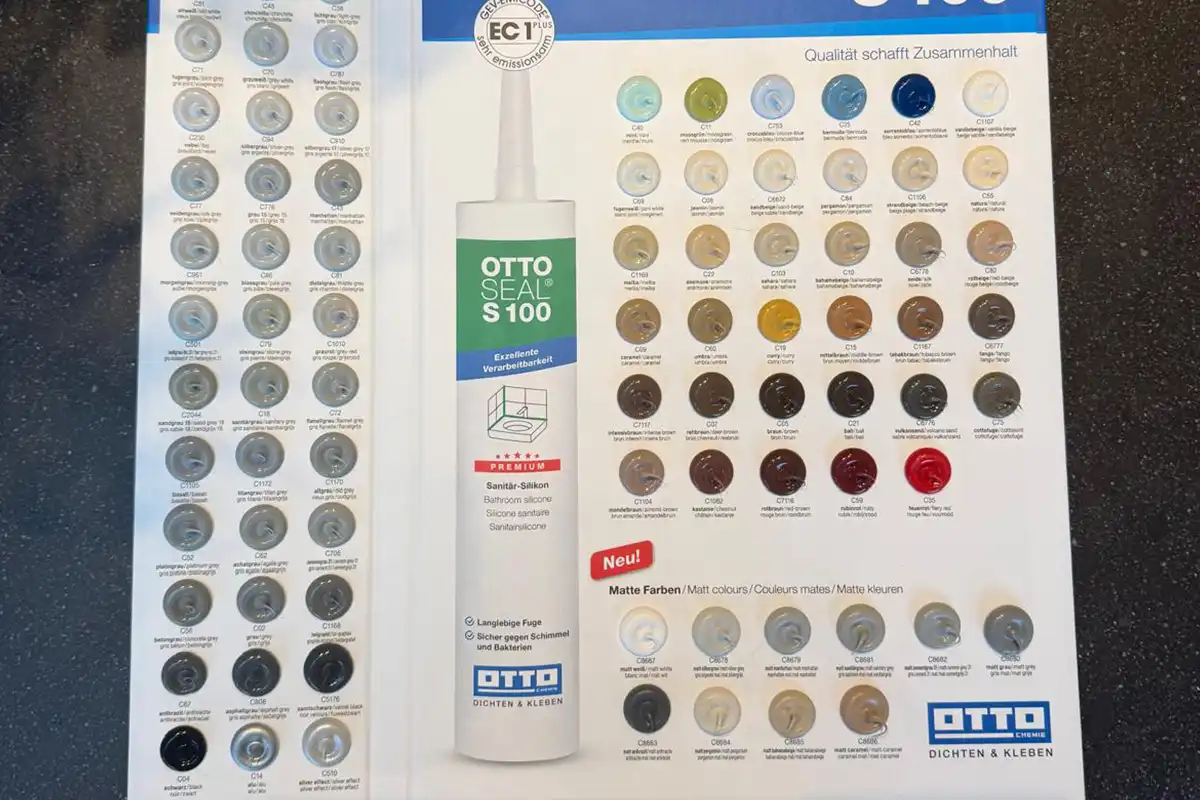
Joint colour: make it disappear, don’t make it shout
Match the grout, not a guess at the tile, and check whether gloss or matt belongs on that surface.
-
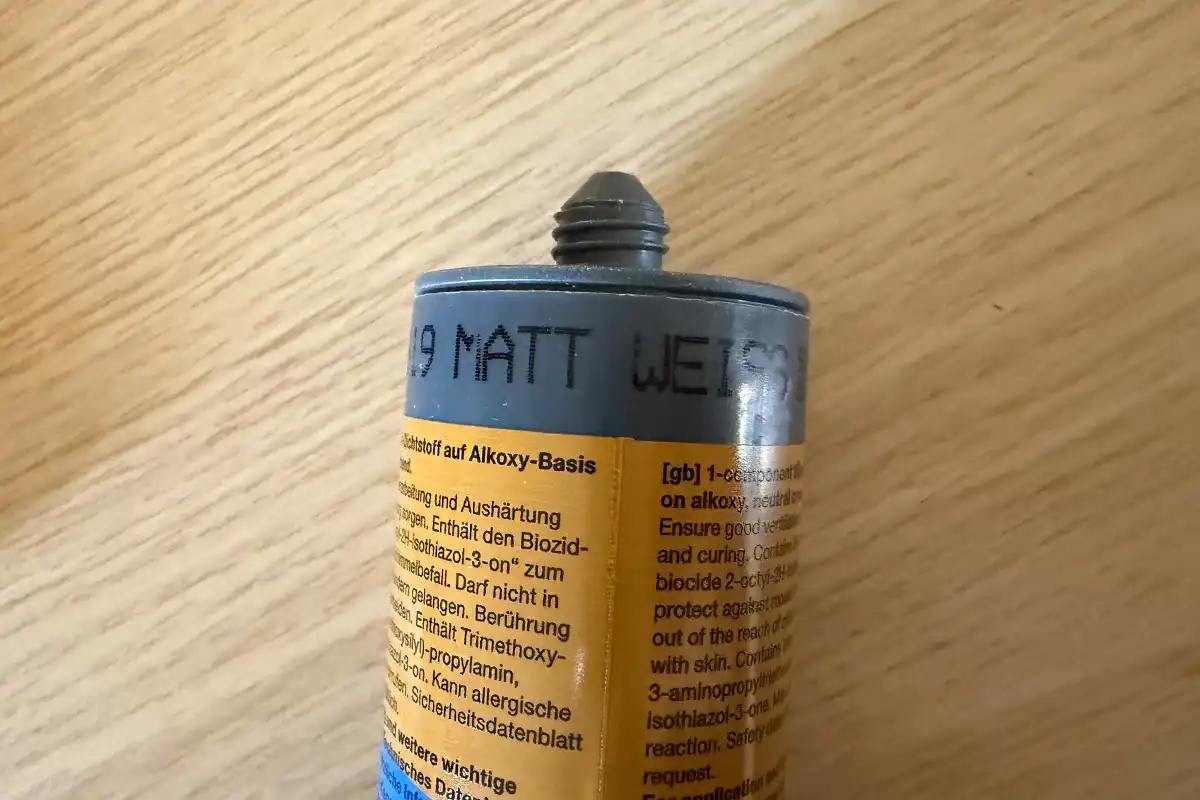
Matt tile and black taps: gloss silicone wrecks the look
Gloss bounces light; matt scatters it. On concrete-look tile, a shiny bead reads as plastic. Tool matt silicone once, then leave it.
-
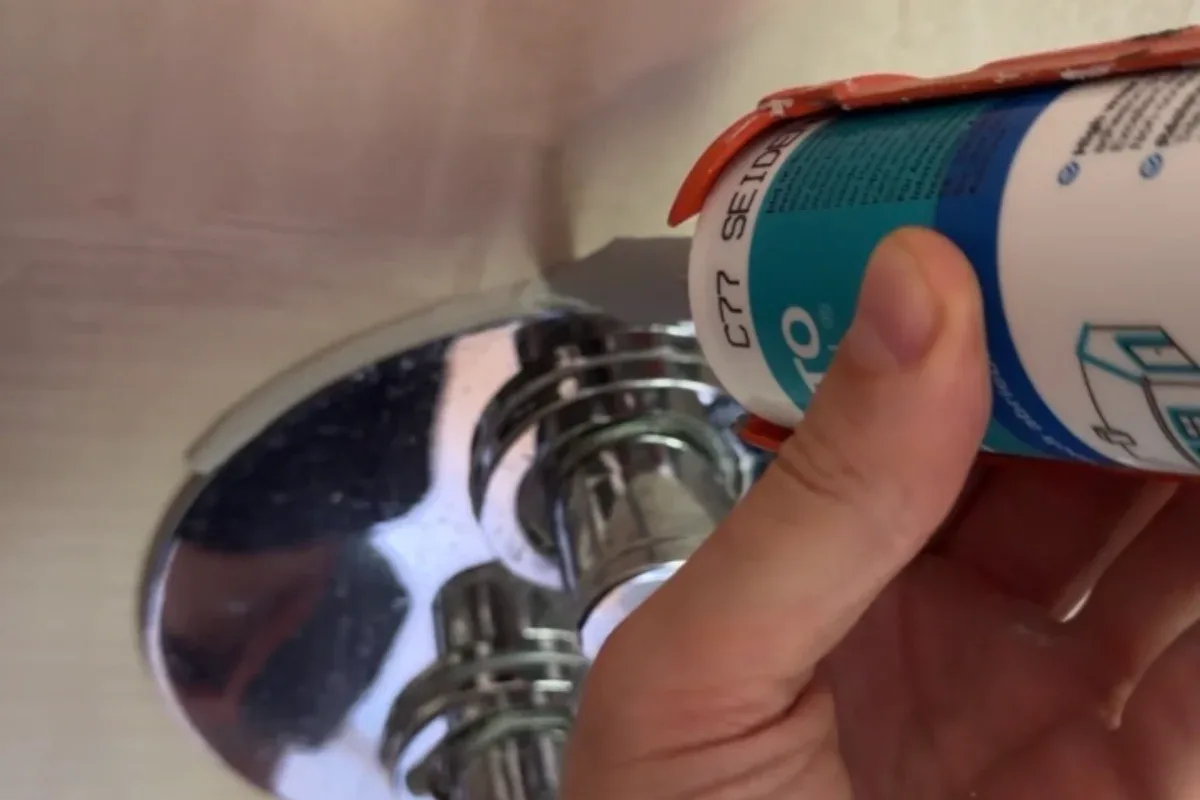
Microcement: which silicone, and where it stains
It is mineral, a little porous and usually sealed; acetoxy silicone and plasticisers leave a dark halo.
-
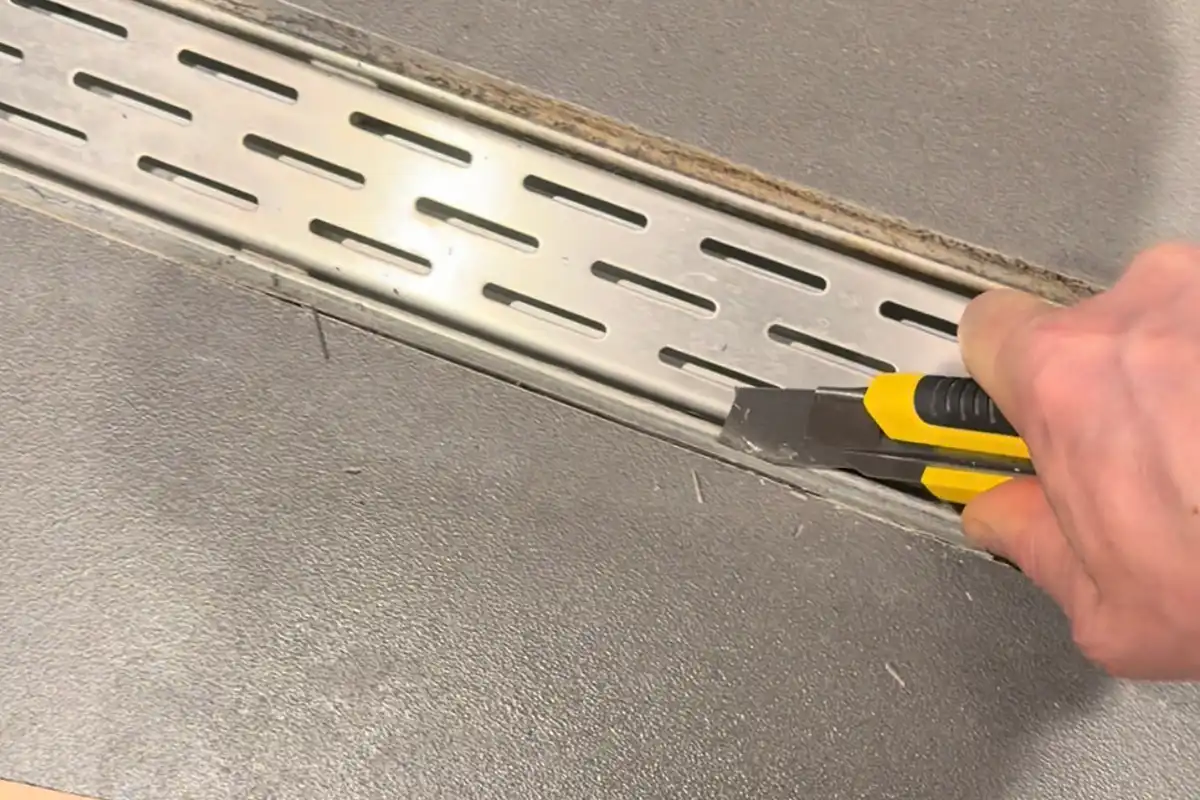
Seal the bathroom yourself: the order that lasts
Push sanitary silicone into the joint, do not lay it on top. Clean flanks, two-sided adhesion, a profile that sheds water — not washing-up liquid.
-
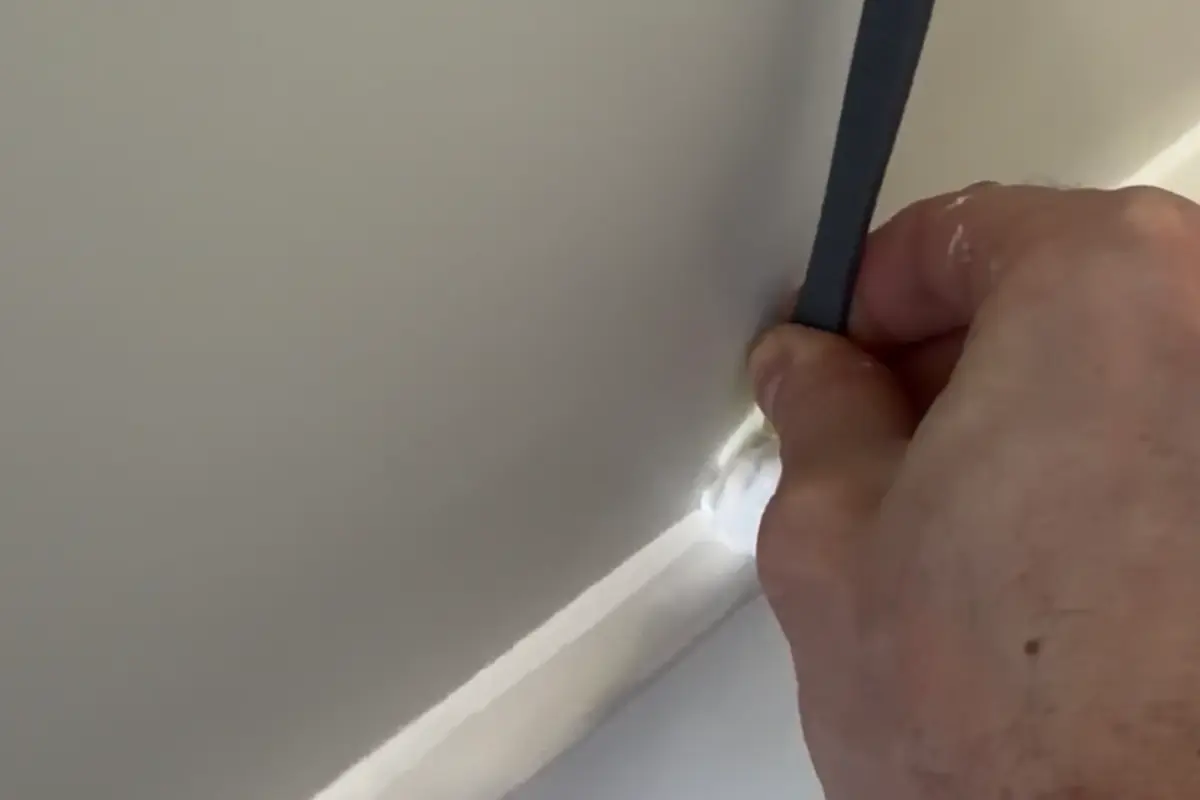
Sealing marble or natural stone: stop the greasy halo
Ordinary sanitary silicone can feed oil into porous stone. Neutral cure is not the same as a natural-stone grade.
-
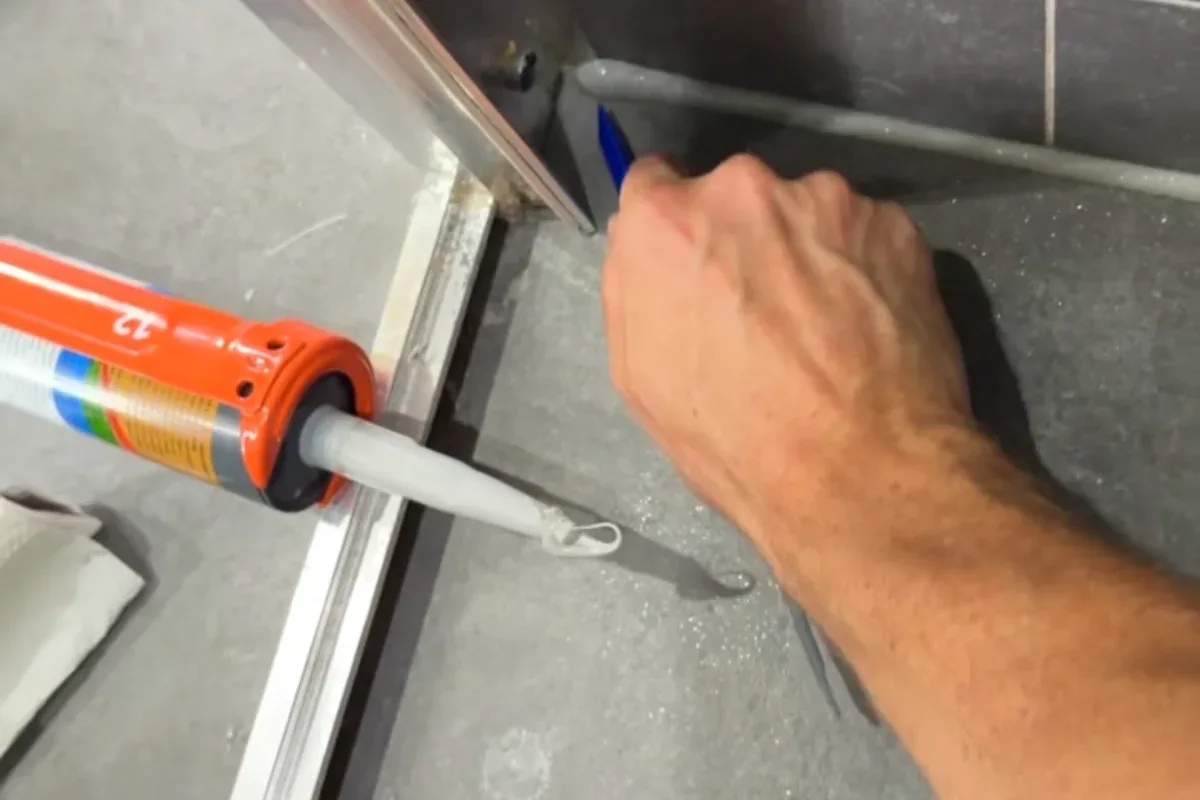
Shower drain: where silicone belongs and where it does not
The elastic joint sits between tile and frame; grate, trap and drainage slots have to stay open.
-
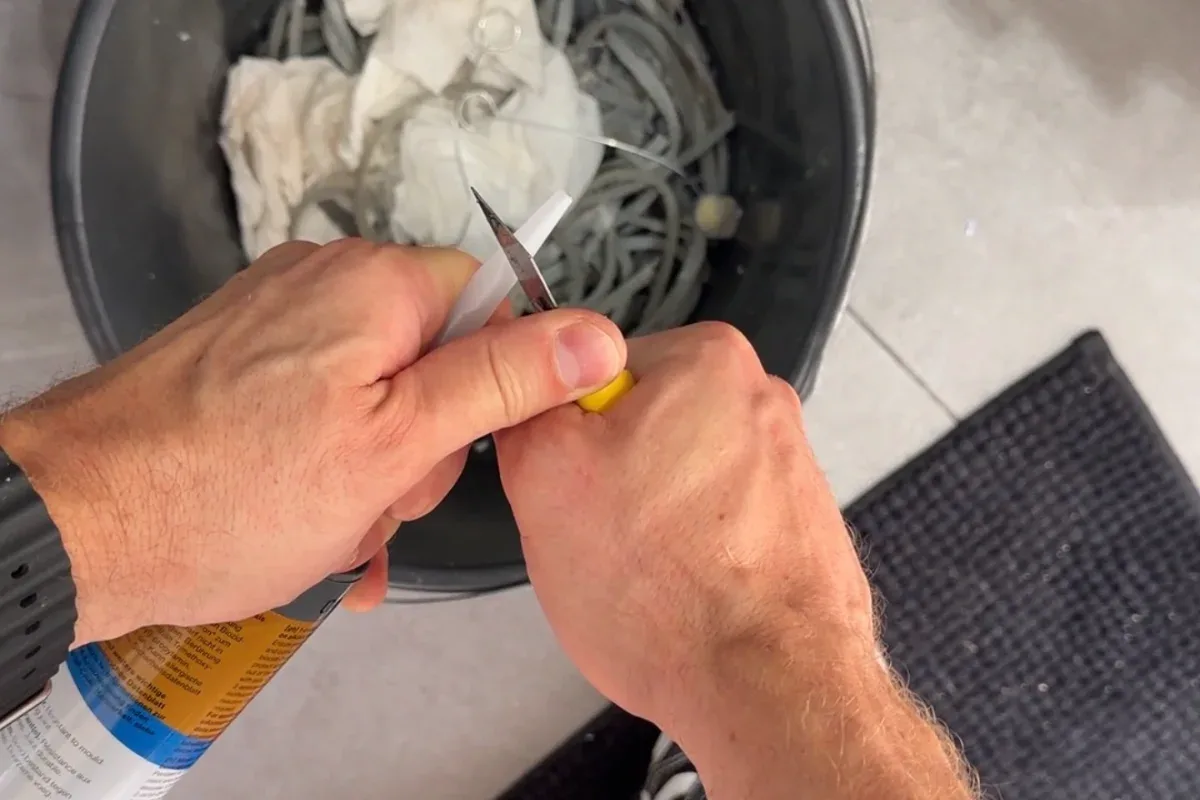
Shower screen: inside, outside or both?
On many aluminium profiles you seal the dry side and leave the wet side so water can run back into the shower.
-
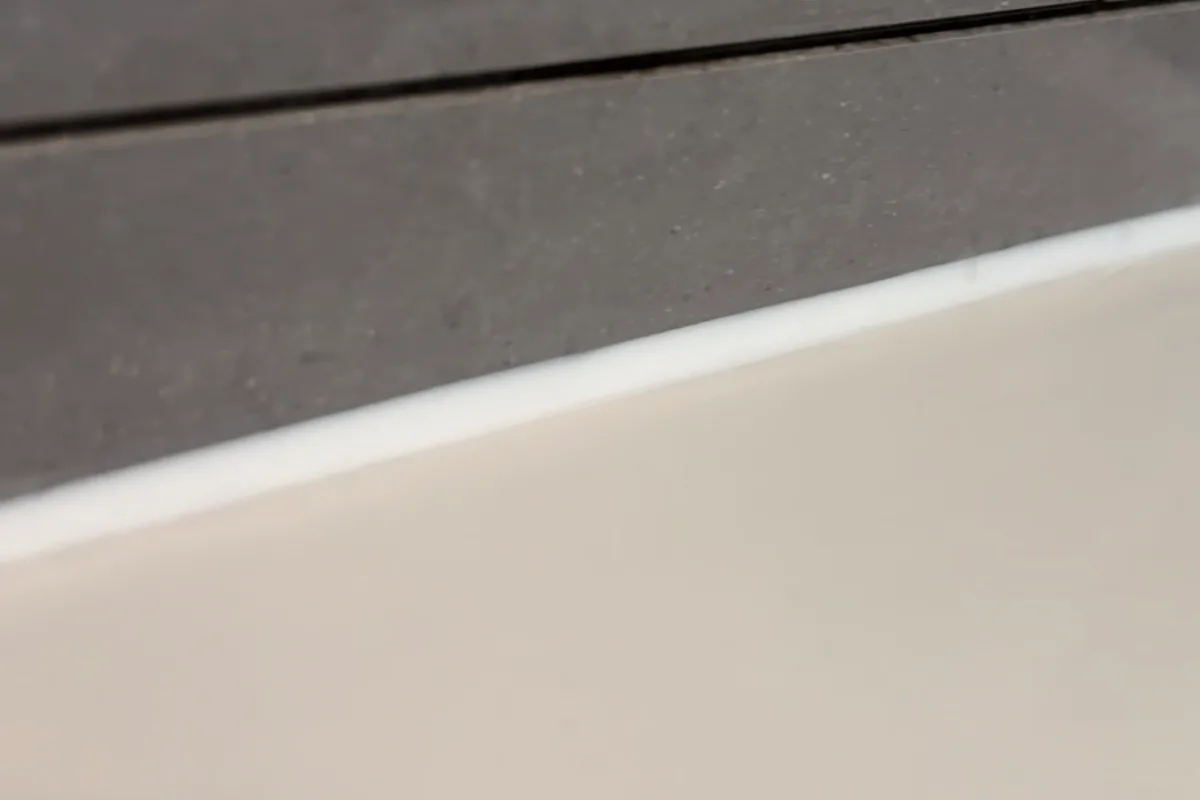
Tap and basin: why that joint splits first
The bead at the tap takes torsion, hot-cold shock and soap; if the fitting wobbles, no silicone will hold it.
-
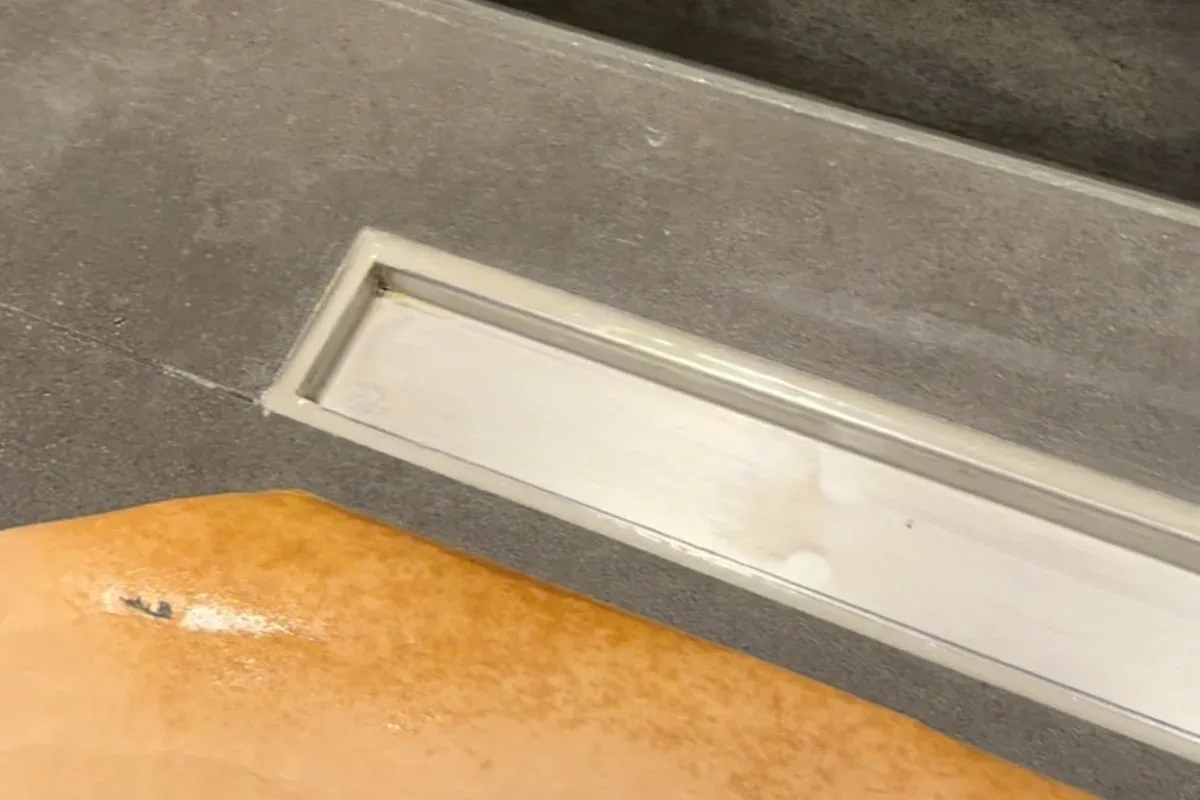
The joint peeling off the tray or bath
On acrylic and composite, peel is usually adhesion plus movement. Tray support and an elastic joint are two different jobs.
-
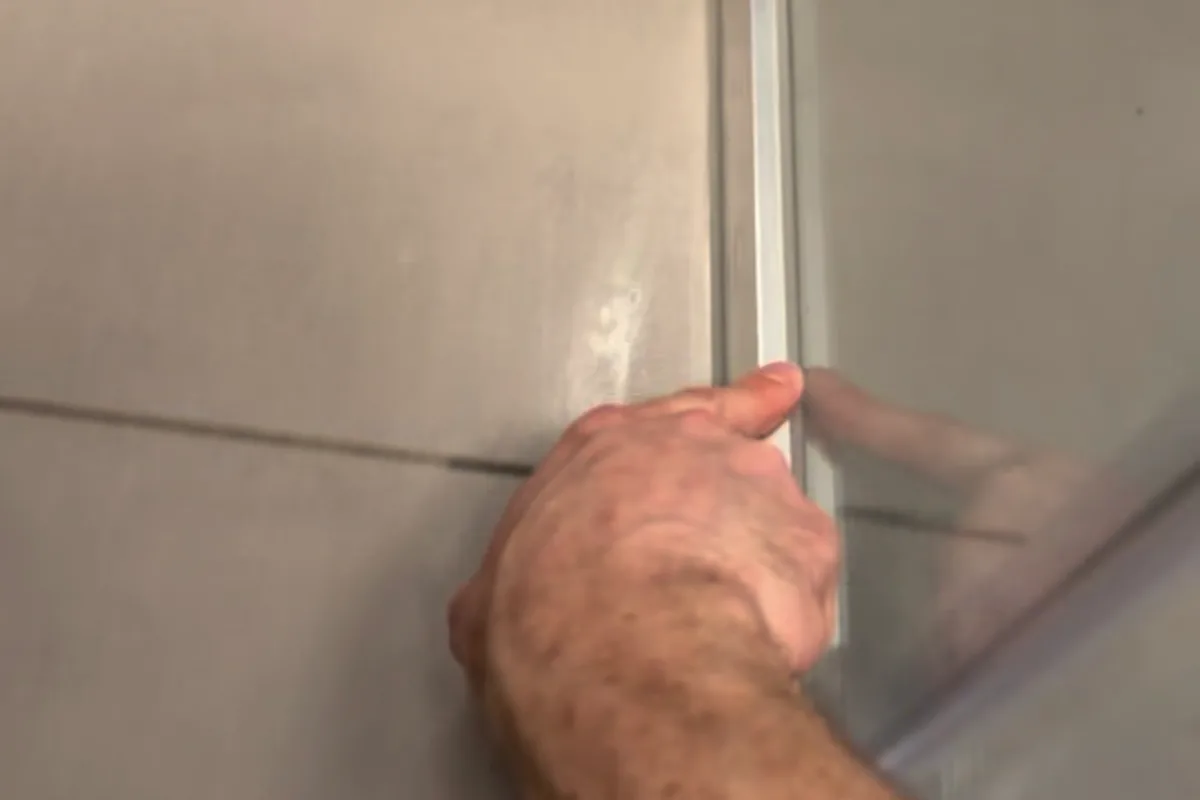
Walk-in shower: more standing water, tighter demands
Without a tray to lead the water away, it sits on the floor and against the glass: the joint works harder than in a classic shower.
-
Water behind the shower profile: more silicone almost never fixes it
Seal the wet side shut and the profile becomes a tank. Seal the dry side and let the wet side drain.
-
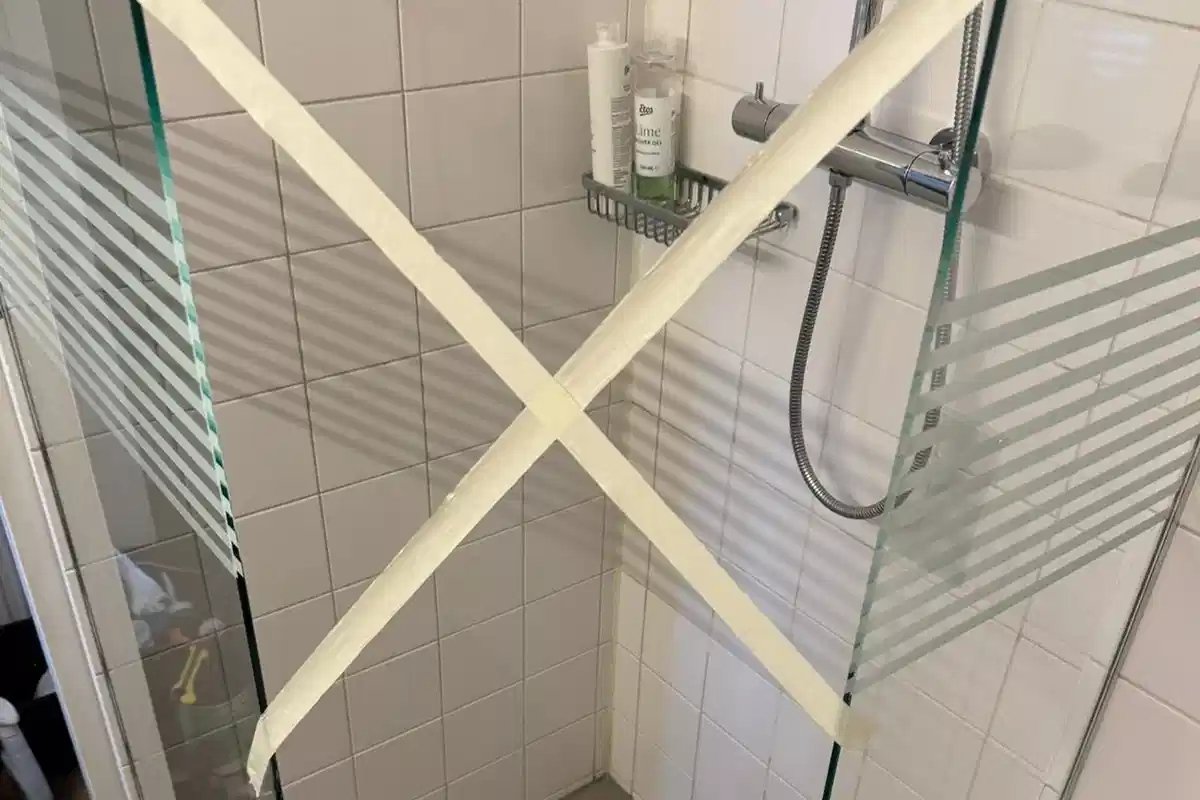
When can I shower after applying silicone?
Skin-dry is not a full cure. Wait until the joint has cured through, not just until it feels dry to the touch.
-
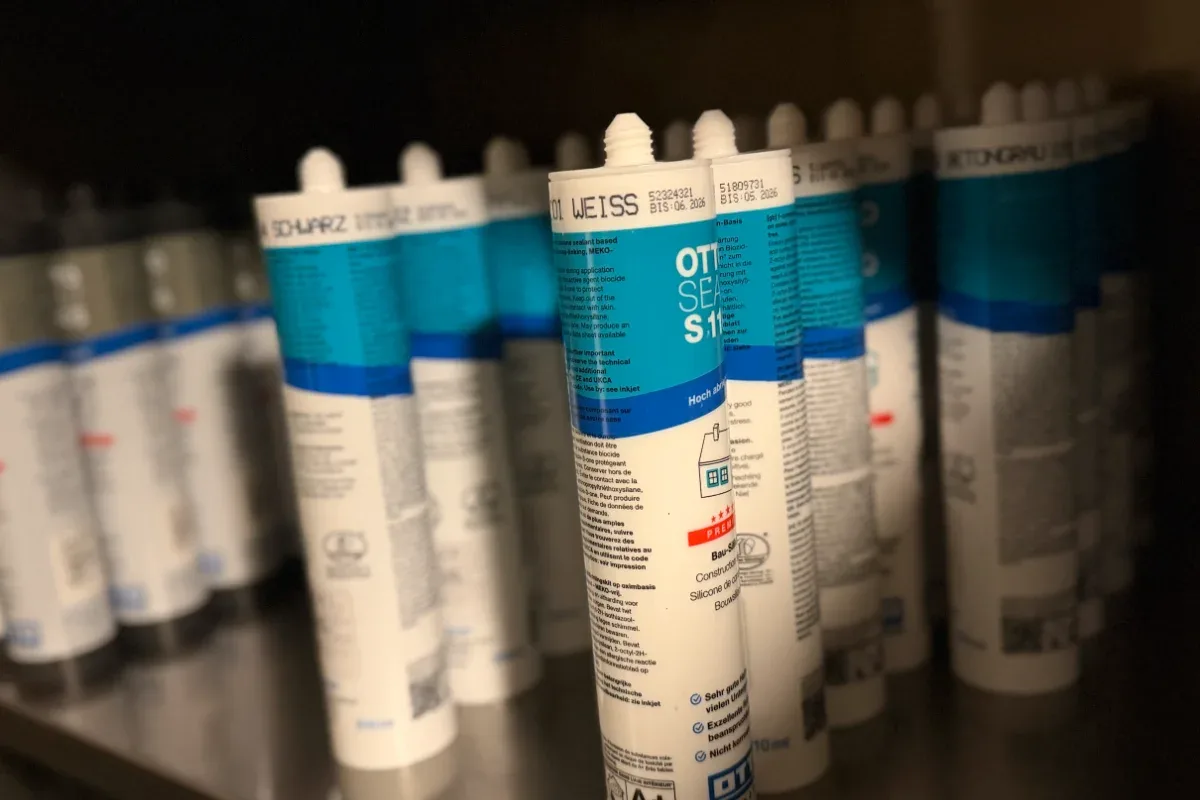
Which sealant to use in the bathroom (and which not to)
Wet zone: sanitary silicone. Paintable ceiling: acrylic sealant. Stone: stone chemistry. Hybrid is not a shower wild card.