
Microcement: which silicone, and where it stains
It is mineral, a little porous and usually sealed; acetoxy silicone and plasticisers leave a dark halo.
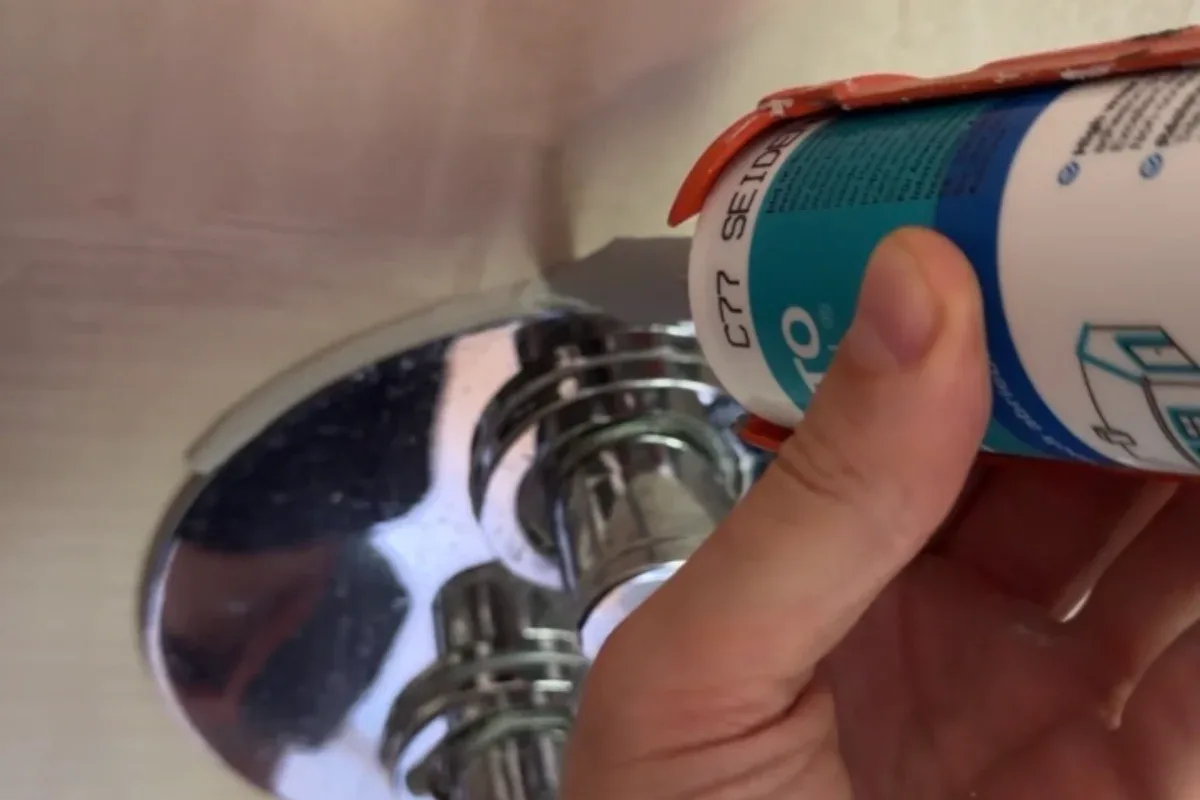
I use a neutral stone-type silicone, without migrating plasticisers, matt if the floor is matt. Wait until the sealer has cured. A crack in the render is not filled with a cartridge.
Why it stains
Microcement (the “beton ciré” look) is a mineral render, a little porous, with a protective coat. Ordinary bathroom acetoxy sanitary silicone leaves dark oil halos beside the joint. Plasticisers migrate by capillary action or attack the sealer. You cannot sand that out.
For movement joints — corners, the meeting with the drain — I want a neutral silicone made for natural stone and mineral substrates, without oils that walk. In the wet zone, closed-cell PE backer rod and, often, primer on the flanks: the sealer closes the pore and, without primer, adhesion lets go when it moves (adhesive failure).
When to seal — and when not
Yes when walls and floor are cured and the sealer has had at least about 72 hours — or whatever the applicator of that microcement asked. Then you seal flexible meetings for water.
No if the microcement or the lacquer still smells fresh, or the substrate is not degreased.
Do not fix with silicone a crack in the render. That is movement in the support behind. Smearing paste on a moving coat looks ugly and leaks again.
If the shower corner is already stained or porous from an earlier leak, the mineral sometimes has to be repaired before you reseal.
How I do it
- Substrate dry, dust-free. Degrease with a residue-free technical cleaner. No washing-up liquid: acids and degreasers in the soap mark the sealer.
- Backer rod in the corner: stops three-sided adhesion and sets the section.
- A thin primer on the flanks; respect the flash-off time.
- Neutral silicone, no migrating plasticisers. Matt if the floor is matt.
- Tool with a neutral finisher and a spatula. No washing-up soap.
At a stainless or plastic drain, primer on that flank as well: otherwise it lets go under standing wet.
Common mistakes
Acetoxy “shower” silicone on mineral. Sealing before the 2K or wax has cured. Tooling with floor cleaner. Filling a crack in the coat as if it were a tile joint.
Exceptions
Microcement already darkened beside an old joint does not “whiten” with a new bead. A wax sealer and a polyurethane sealer do not behave the same; always wait for that coat to cure, not for a tiling clock.
What I use on this joint
-
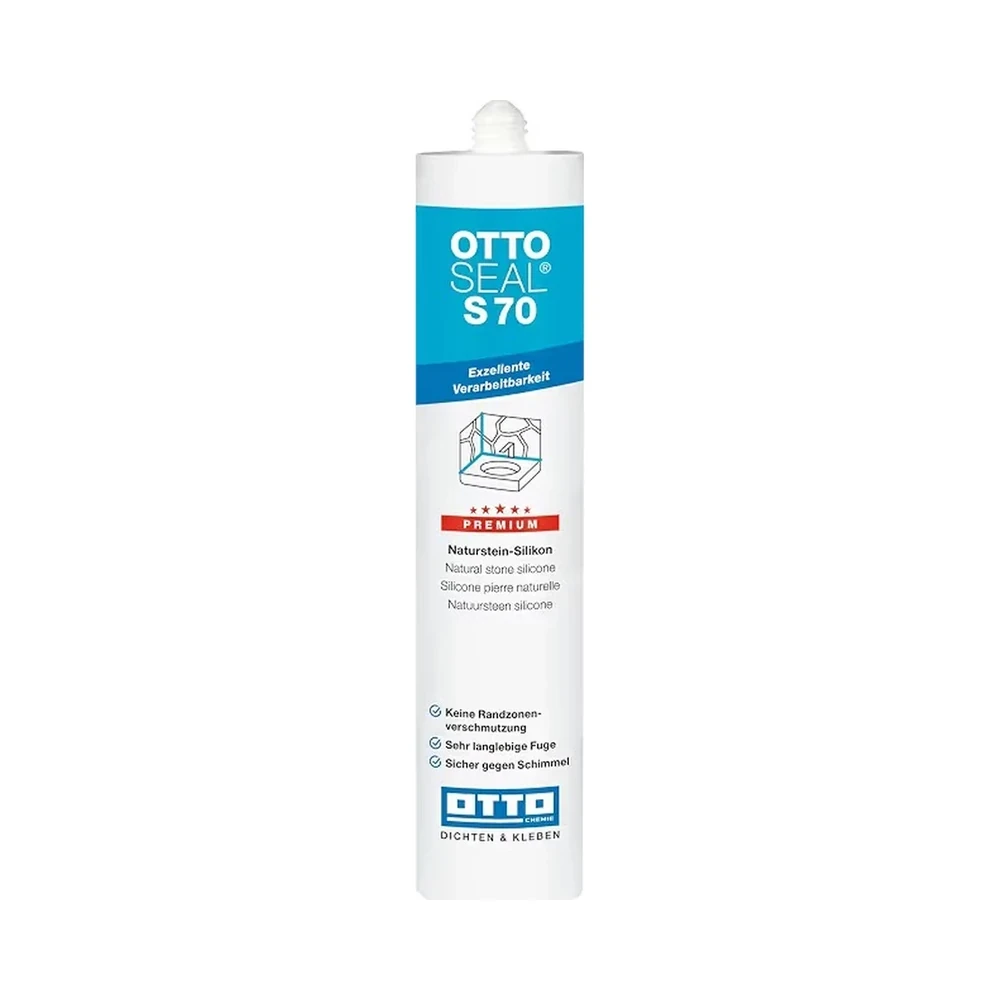
OTTOSEAL S70
For marble and natural stone — so the edge stays clean.
OTTOSEAL S70 Purchase link not available -
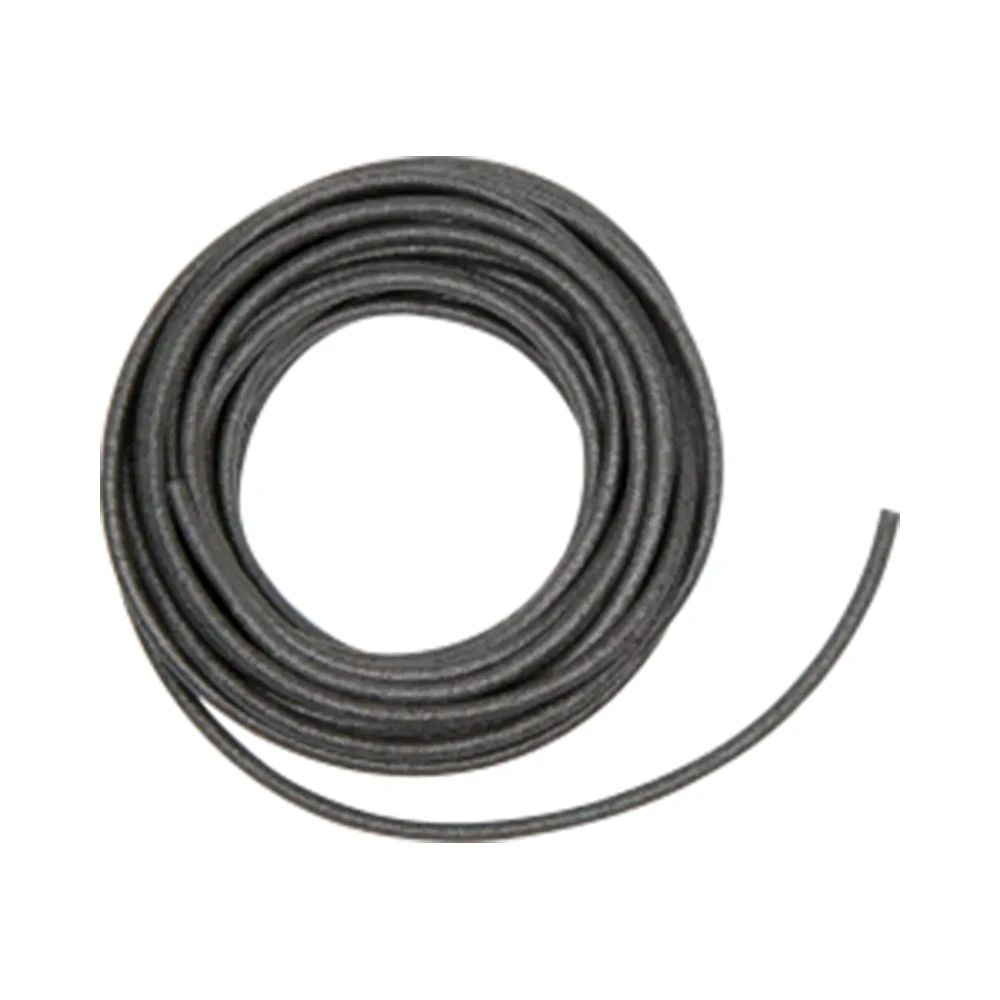
Backer rod
Closed-cell PE rod to control depth and prevent three-sided adhesion.
Backer rod Purchase link not available -
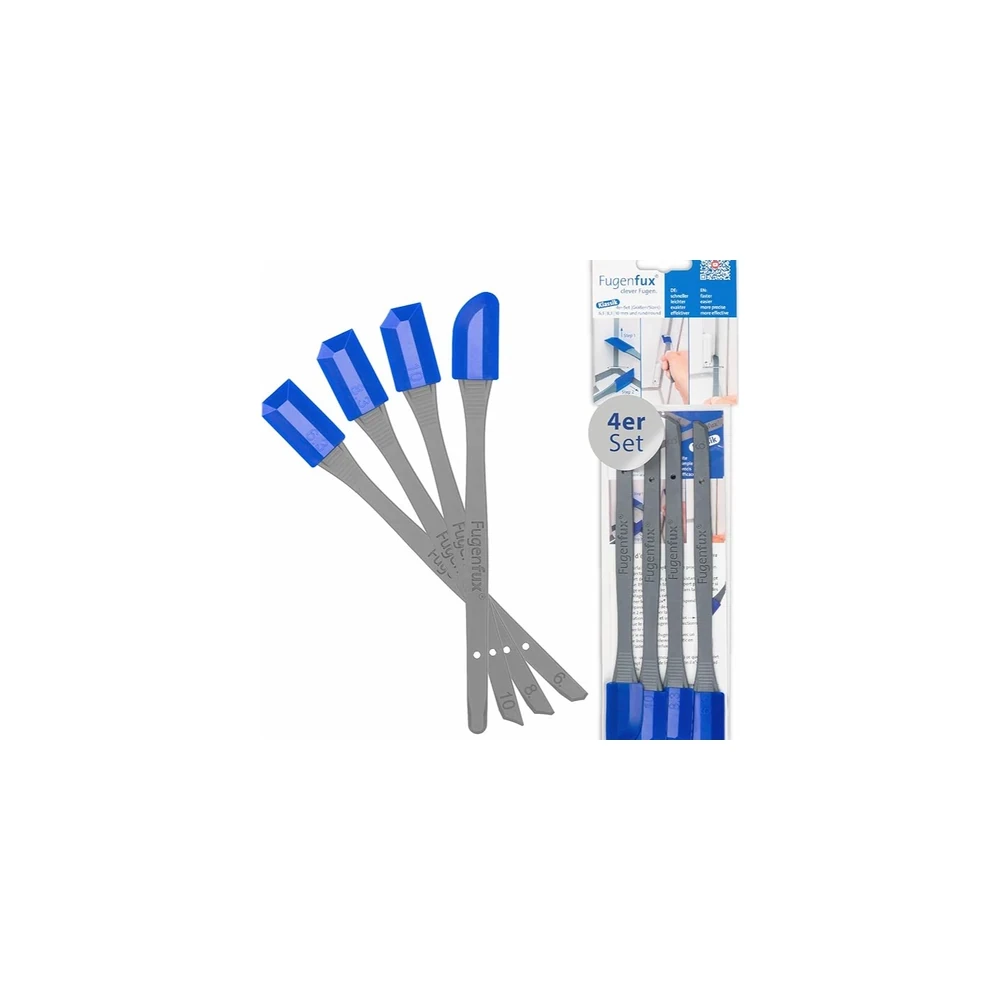
Fugenfux
Spatula set for tooling joints to a controlled profile.
-
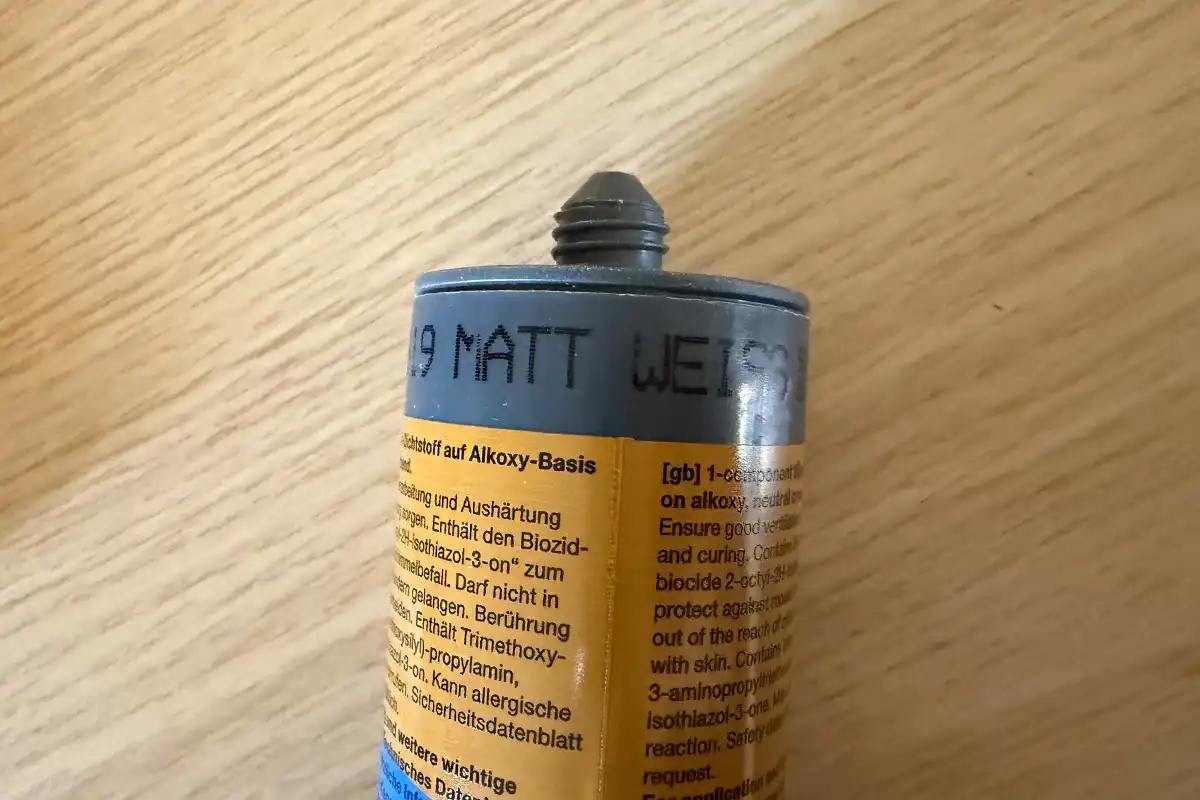
Matt tile and black taps: gloss silicone wrecks the look
Gloss bounces light; matt scatters it. On concrete-look tile, a shiny bead reads as plastic. Tool matt silicone once, then leave it.
-
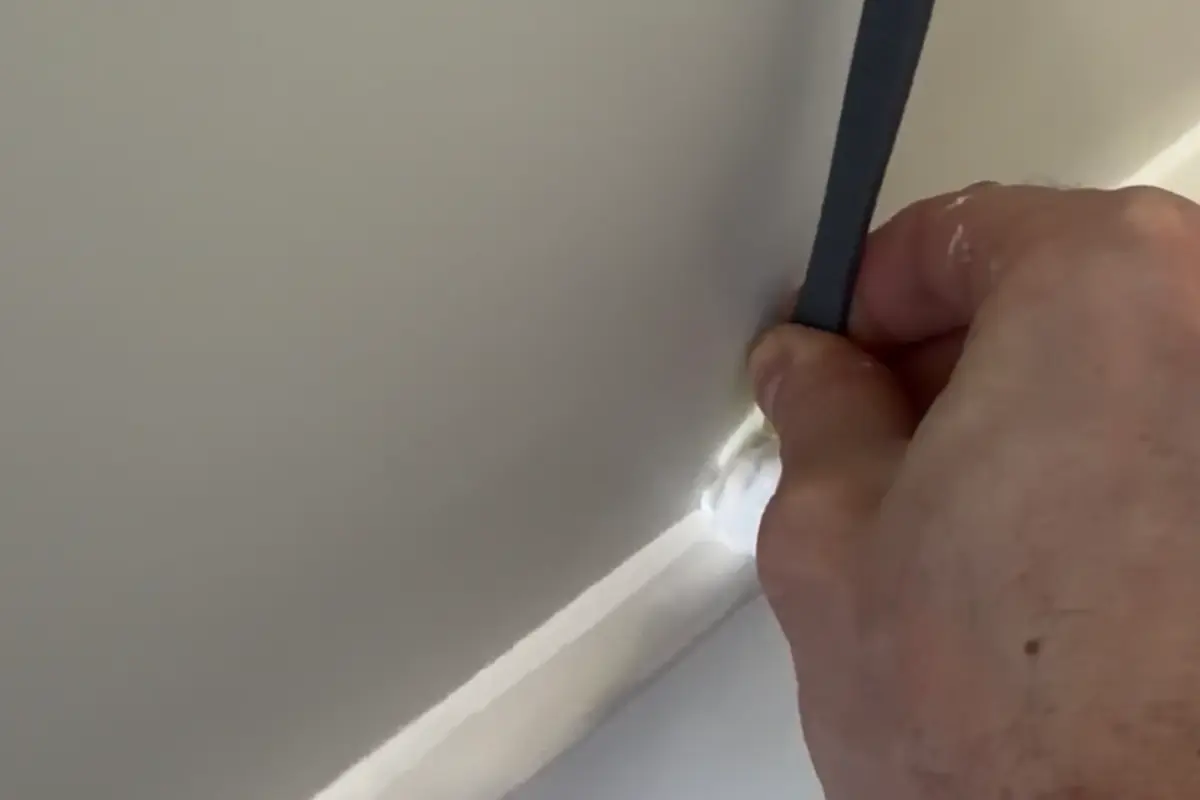
Sealing marble or natural stone: stop the greasy halo
Ordinary sanitary silicone can feed oil into porous stone. Neutral cure is not the same as a natural-stone grade.
-
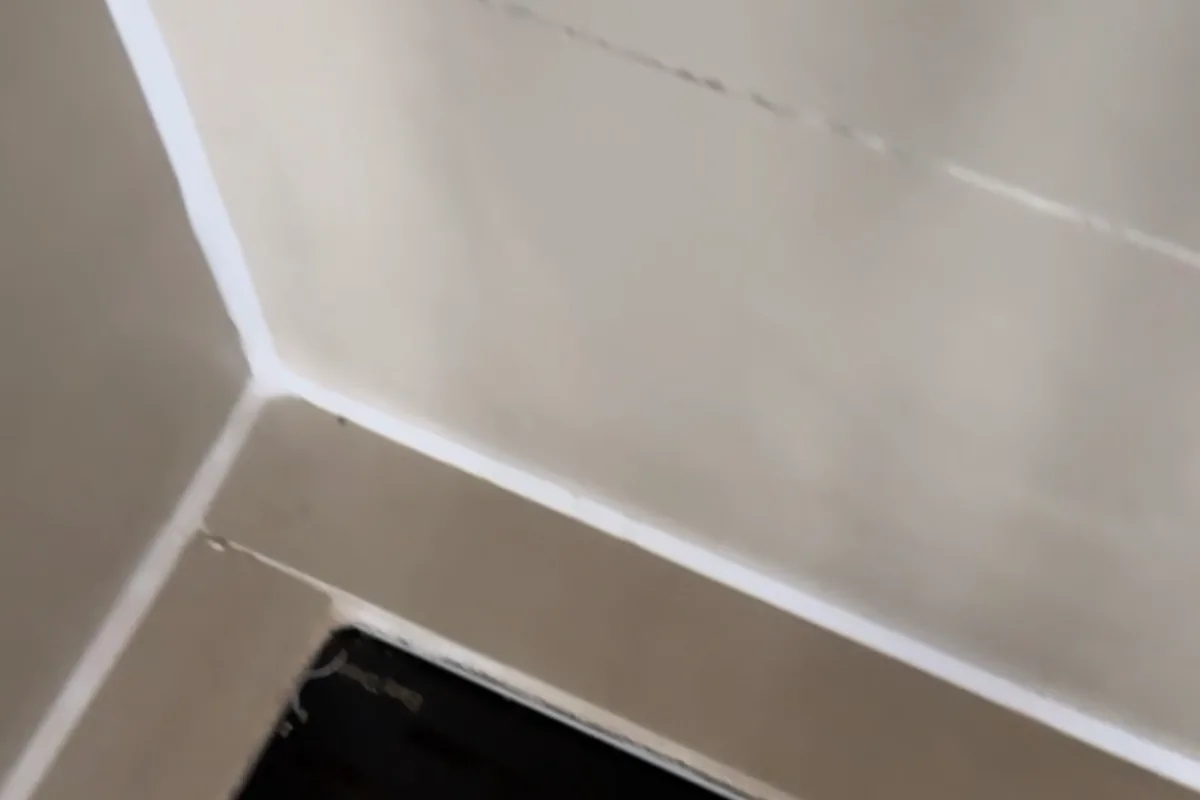
Acetoxy or neutral: the vinegar smell is not a fault
A vinegar smell marks an acetic cure: it grabs glazed ceramic well, and the acid bites stone and sensitive metal.