
Which sealant to use in the bathroom (and which not to)
Wet zone: sanitary silicone. Paintable ceiling: acrylic sealant. Stone: stone chemistry. Hybrid is not a shower wild card.
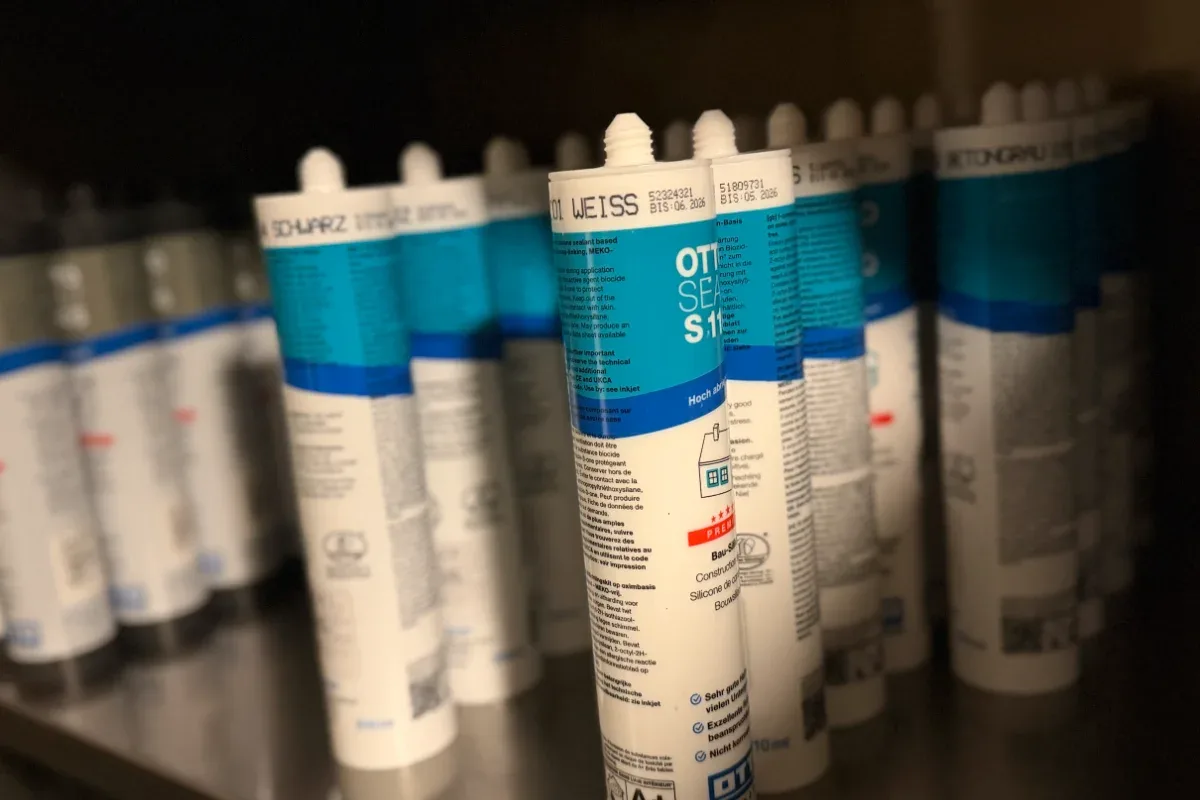
Shower, tray, bath and basin: sanitary silicone. Ceiling or skirting you will paint: acrylic sealant. Marble or granite: natural-stone silicone. Do not run a “universal” cartridge through the wet zone.
The map of the room
On meetings that see water — shower corner, tray, bath, basin — I want sanitary silicone: elastic, water-shedding, with fungicides. Tile moves a little; acrylic moves more. A stiff sealant opens.
On dry meetings you will paint — ceiling, a door lining, sometimes skirting out of splash — acrylic sealant. It is water-based, it takes paint, and it is not meant to sit in a puddle.
Hybrid or MS: when you need to paint a meeting outside the wet zone, or a very specific substrate. It is not the shower shortcut. Silicone does not bond on moisture; hybrid sometimes will, but “a bit damp” on a tray is still a bad idea. Dry first.
Stone and the cheap cartridge
Marble, granite, agglomerate: natural-stone silicone, without plasticisers that stain the edge. Ordinary shower sanitary is not that chemistry.
The cheap cartridge is often full of fillers. They evaporate, the bead shrinks, it pulls the flanks and leaves hairline cracks. Fungicides fade early. On ceramic I use OTTOSEAL S100; on stone, the stone line. I want it to stretch and come back.
How to apply it (colour is the easy bit)
Old silicone out, film included. Technical degrease, not glass cleaner. In deep joints, PE backer rod so you do not bond on three faces. Primer if the substrate needs it — acrylic tray rims, often. Push the mass in; tool with a neutral liquid.
Acetoxy or neutral
Acetoxy smells of vinegar and, on glazed tile, holds up well. It can attack aluminium and some plastics. Neutral is kinder to metals and acrylic. In a mixed bathroom I choose by meeting, not “one tube for the lot”.
Mistakes
Acrylic in the shower: it softens or washes out. Silicone over old residue: it will not grab. Washing-up liquid when tooling: goodbye fungicides. Paint on silicone: paint will not stick; if it has to be painted, it was not silicone.
Exceptions
Substrate still damp: wait. Primer only where it is needed — well-degreased glass and ceramic often do not. Typical cure: around 2 mm a day; a shower joint often wants 24–48 hours before water load, longer if it is thick.
What I use on this joint
-
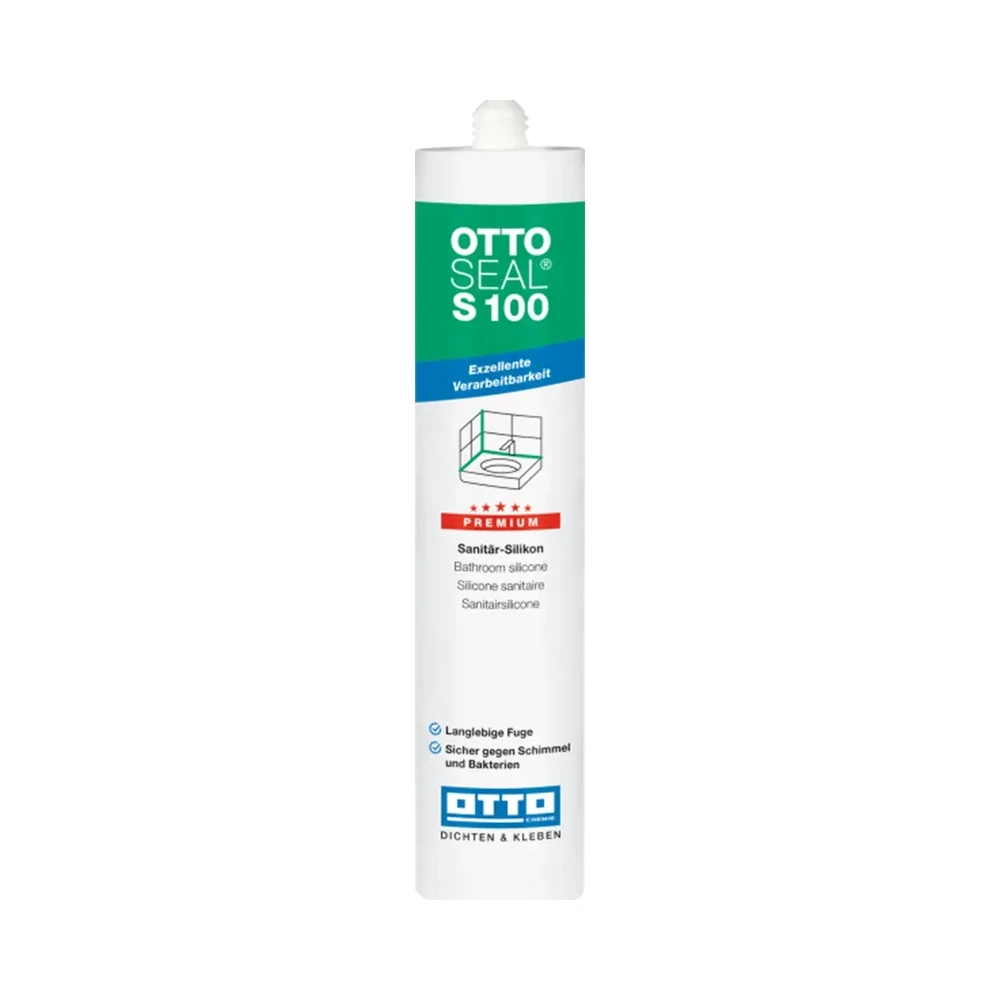
OTTOSEAL S100
The sanitary silicone I use on showers and baths. Elastic — not a staining-risk stone silicone.
OTTOSEAL S100 Purchase link not available -
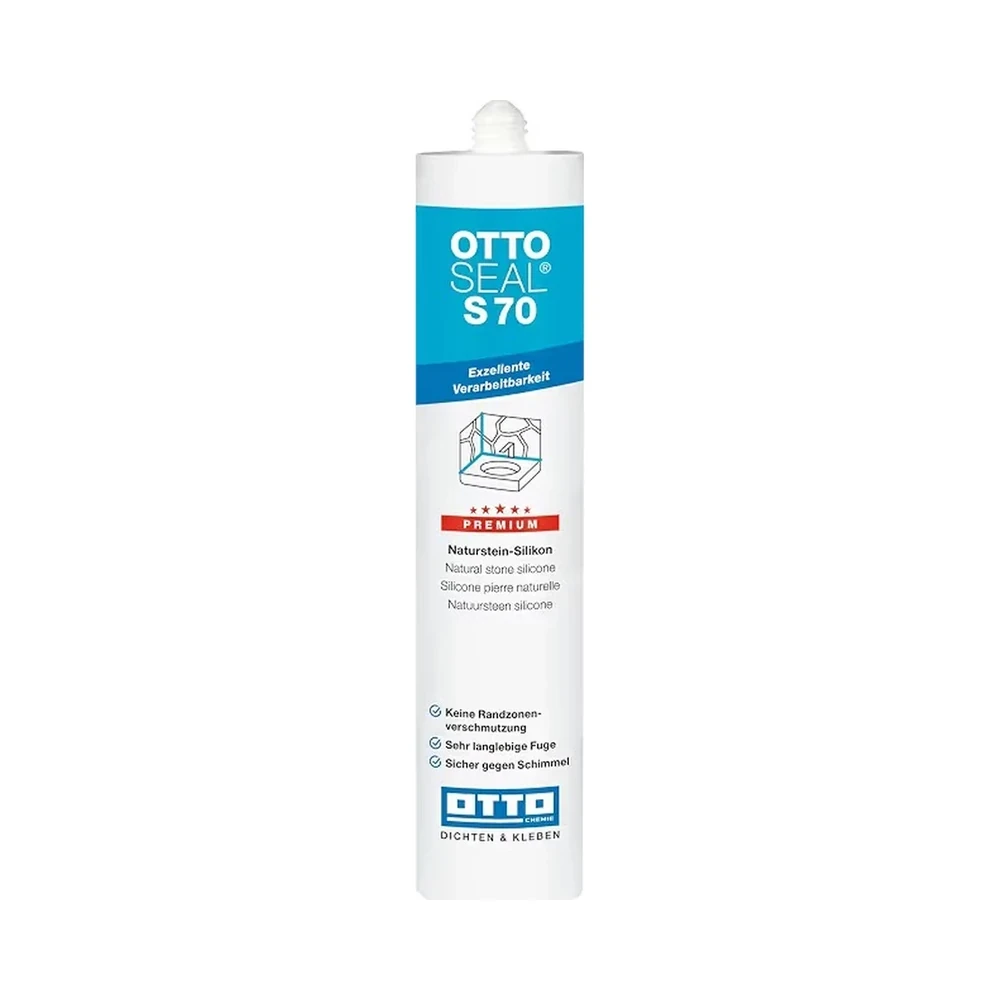
OTTOSEAL S70
For marble and natural stone — so the edge stays clean.
OTTOSEAL S70 Purchase link not available
-
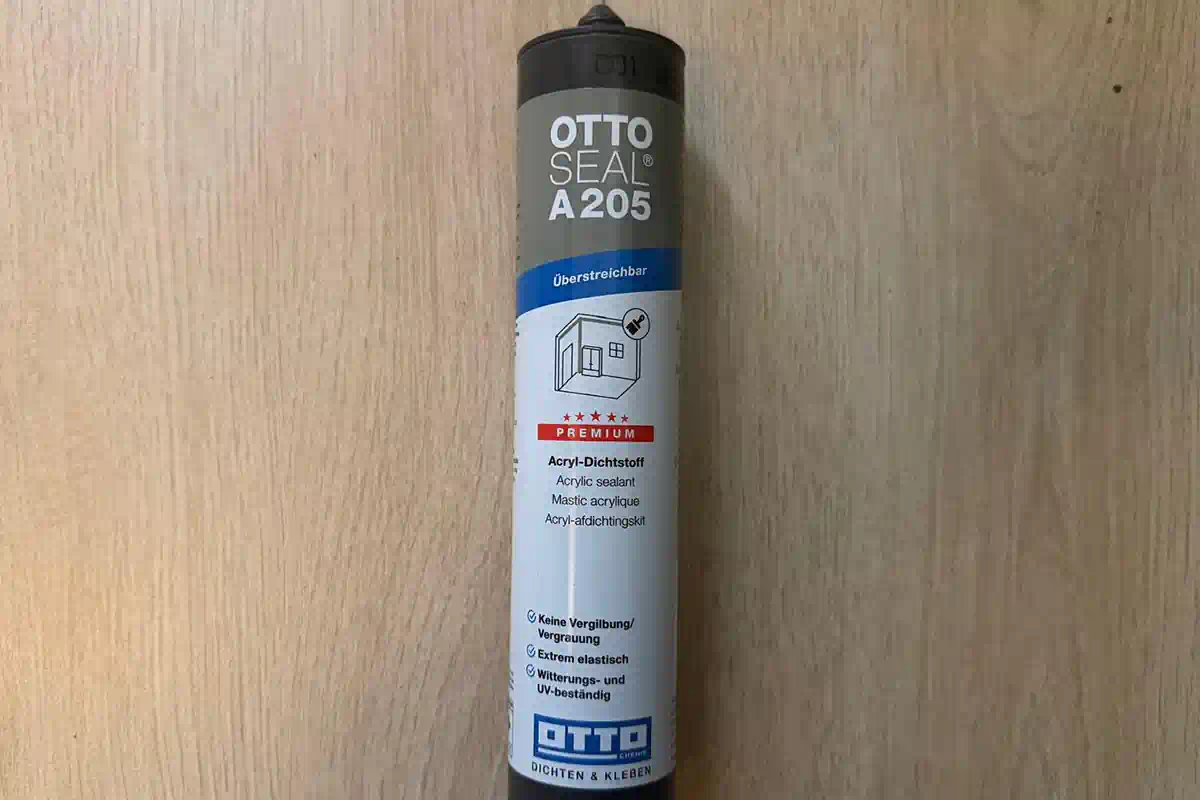
Acrylic sealant in the shower: why it will not hold water
Acrylic and silicone are different chemistries. In a wet zone acrylic can soften and fail; silicone is the usual wet-room joint.
-
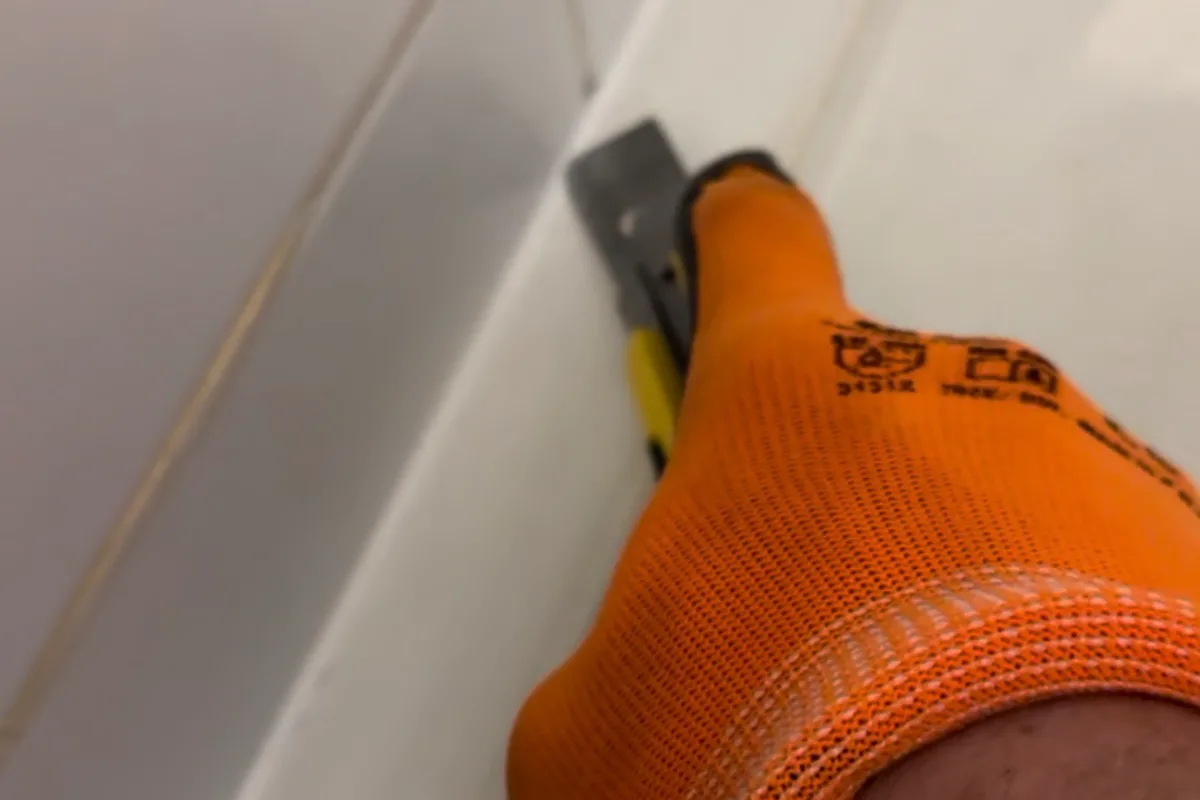
Silicone or acrylic: they are not interchangeable
Acrylic in the shower softens and washes out; silicone on the skirting will not take paint: pick the cartridge for water or for paint.
-
Acetoxy or neutral: the vinegar smell is not a fault
A vinegar smell marks an acetic cure: it grabs glazed ceramic well, and the acid bites stone and sensitive metal.