
Why white silicone turns yellow
Even yellowing is chemistry, not dirt. Bleach and hard scrubbing often make it worse; the only reset is cut and replace.
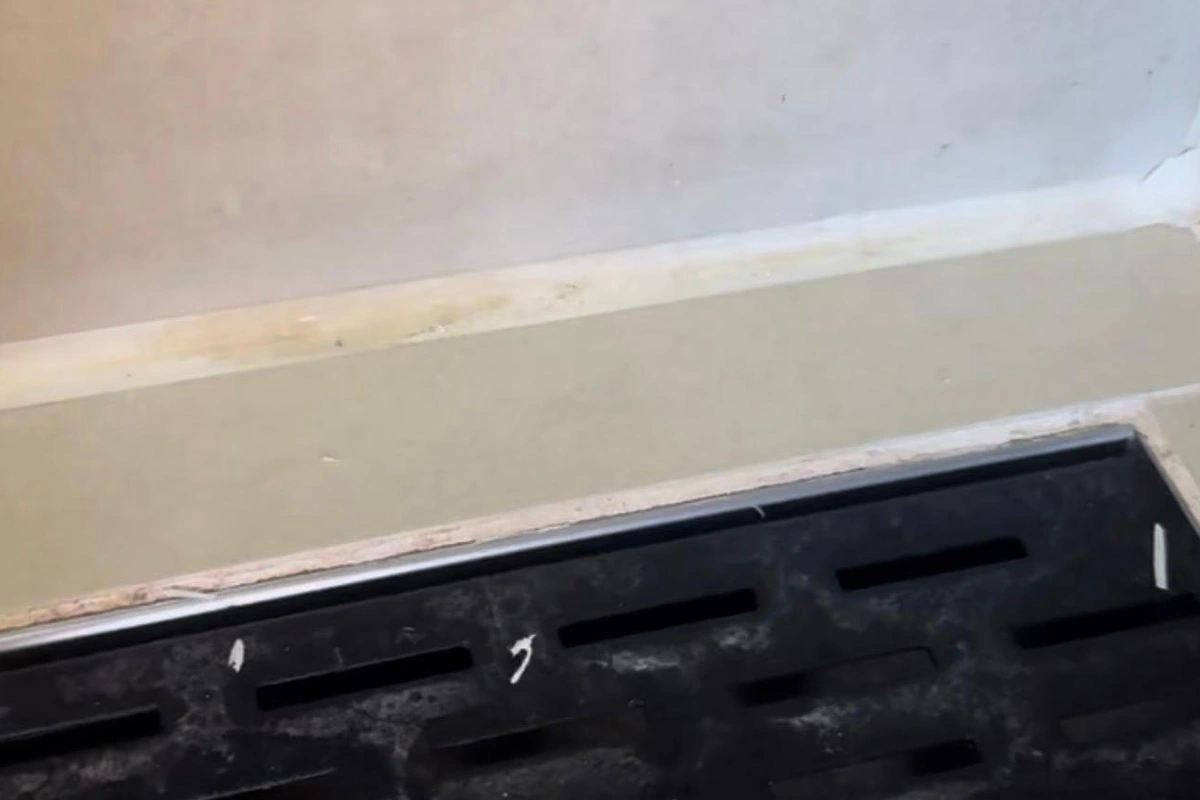
Even yellow or brown is not dirt: bleach will not bring white back. Cut and replace. Black dots are mould — a different job. Fresh yellow after alkyd paint is often solvent vapour.
Yellow is not a cleaning job
A white sanitary bead that goes nicotine-yellow is one of the most common bathroom complaints. People reach for thick bleach and a scourer. That usually feeds the colour change. You are not lifting soil. You are looking at an irreversible shift in the polymer — oxidation, cheap oil fillers, aggressive cleaners, or a room that never sees daylight.
The harder you bleach to “get it white”, the faster the yellow often returns.
Diagnose before you recut
Even yellow or brown along the bead: chemical change or ageing. It will not polish out. Strip and reseal.
Black pin-pricks in the mass: mould. Bleach may bleach the face and wreck the surface so the next colony sits deeper. That is a replacement and moisture job, not a colour job.
Yellow within a day or two of painting nearby: solvent from alkyd / oil paint can stain a fresh silicone. Sequence matters: finish the paint, ventilate until the smell has gone, then seal. I do not quote a magic number of days — follow the paint, not a slogan.
Clear silicone going milky is often water uptake, not the same as white going yellow. Nicotine and harsh cleaners can yellow clear as well.
What actually keeps white looking white
Cheap DIY silicones are often extended with oils that discolour with heat, soap film and bleach. I use a colour-stable sanitary silicone (OTTOSEAL S100 is the one I reach for on a normal ceramic shower). That does not make the bead immortal. It does mean I am not starting with a tube already prone to yellow.
Maintenance: mild soap, rinse, dry. No thick bleach, no abrasive pads that scratch the skin and hold dirt. Do not tool the joint with washing-up liquid if you care about colour — residues in the surface start the same chemistry.
Grey and anthracite hide a slight colour shift better than white. That is optics, not a licence to use junk.
How I replace a yellow bead
- Cut the old silicone out fully. Do not lay new over yellow: it shows through and it will not bond.
- Degrease with a technical cleaner. Let the flanks dry.
- Apply the new sanitary silicone, tool it, wait for a proper cure before a full shower.
- You cannot paint silicone white again. Paint pearls off.
Yellowing alone does not prove a leak. Aggressive chlorine can still make the mass more open, so adhesion suffers later. Treat even yellow as “replace”, not “wait five years because a blog said so”.
Exceptions
Internal bathrooms with no window yellow faster in my experience; ventilation still helps mould and soap film even if UV is not the whole story. If the tray moves, a new white bead will tear as well as stain. Fix support first.
What I use on this joint
-
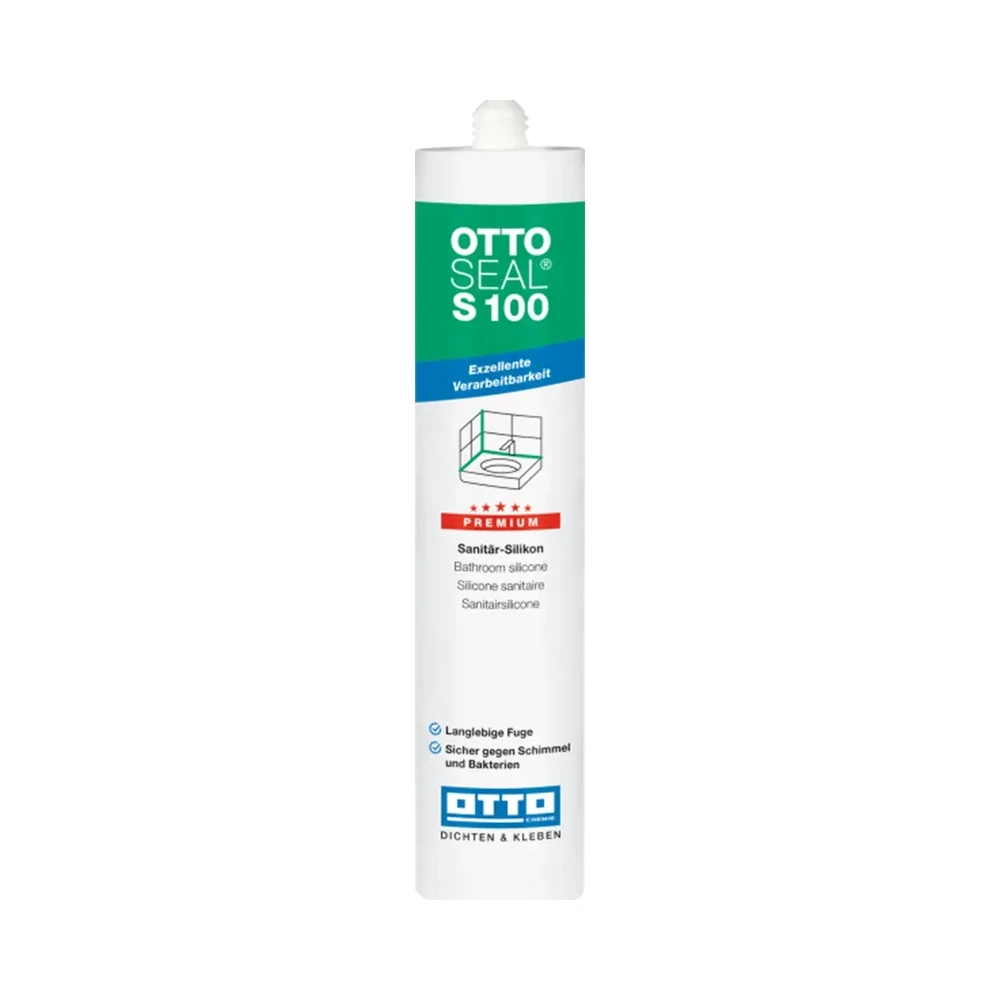
OTTOSEAL S100
The sanitary silicone I use on showers and baths. Elastic — not a staining-risk stone silicone.
OTTOSEAL S100 Purchase link not available
-
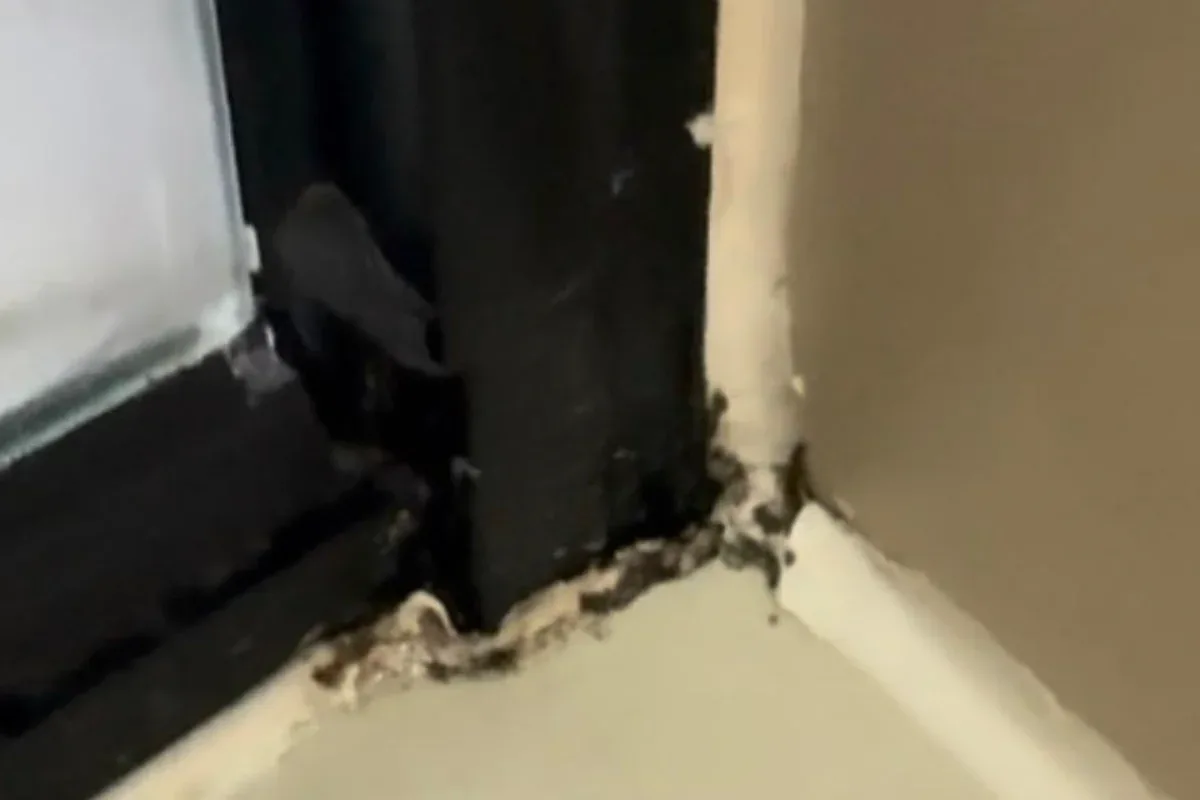
Mould coming back in the joint: scrubbing is not enough
Black specks inside the mass will not leave with chlorine. Bleach fades the colour and leaves the joint more porous; replace it.
-
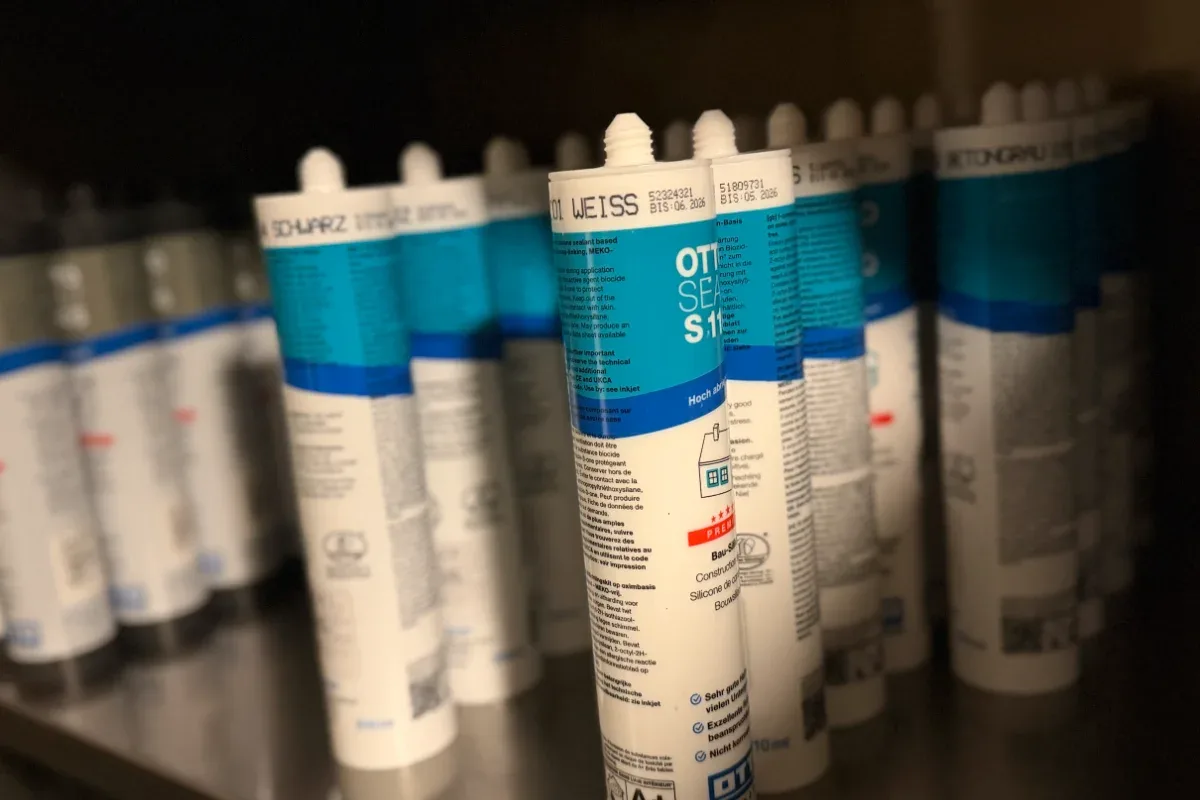
Which sealant to use in the bathroom (and which not to)
Wet zone: sanitary silicone. Paintable ceiling: acrylic sealant. Stone: stone chemistry. Hybrid is not a shower wild card.
-
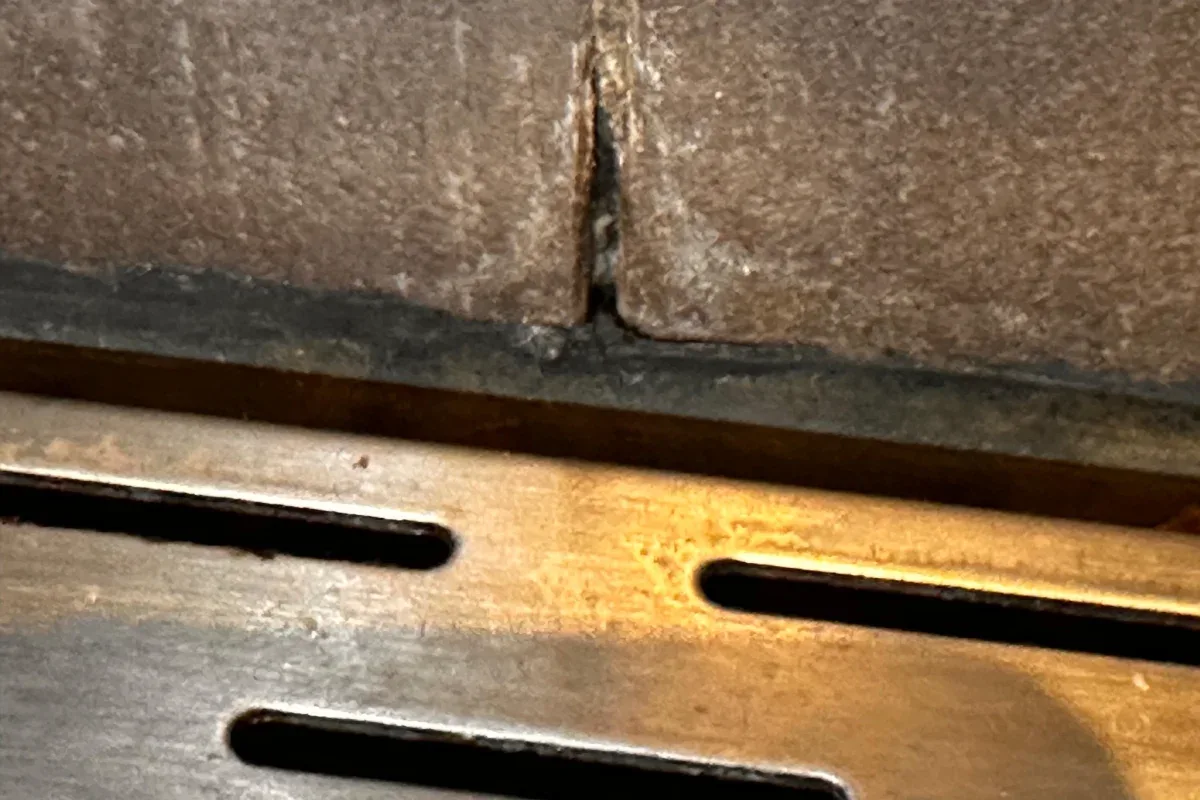
A hollow or ragged joint: the finger and the washing-up liquid
A fingertip leaves a gutter where water sits. Washing-up liquid attacks the still-wet flank and a thin smear frays.