
Problems & maintenance
Clear technical answers — no filler, no invented claims.
-
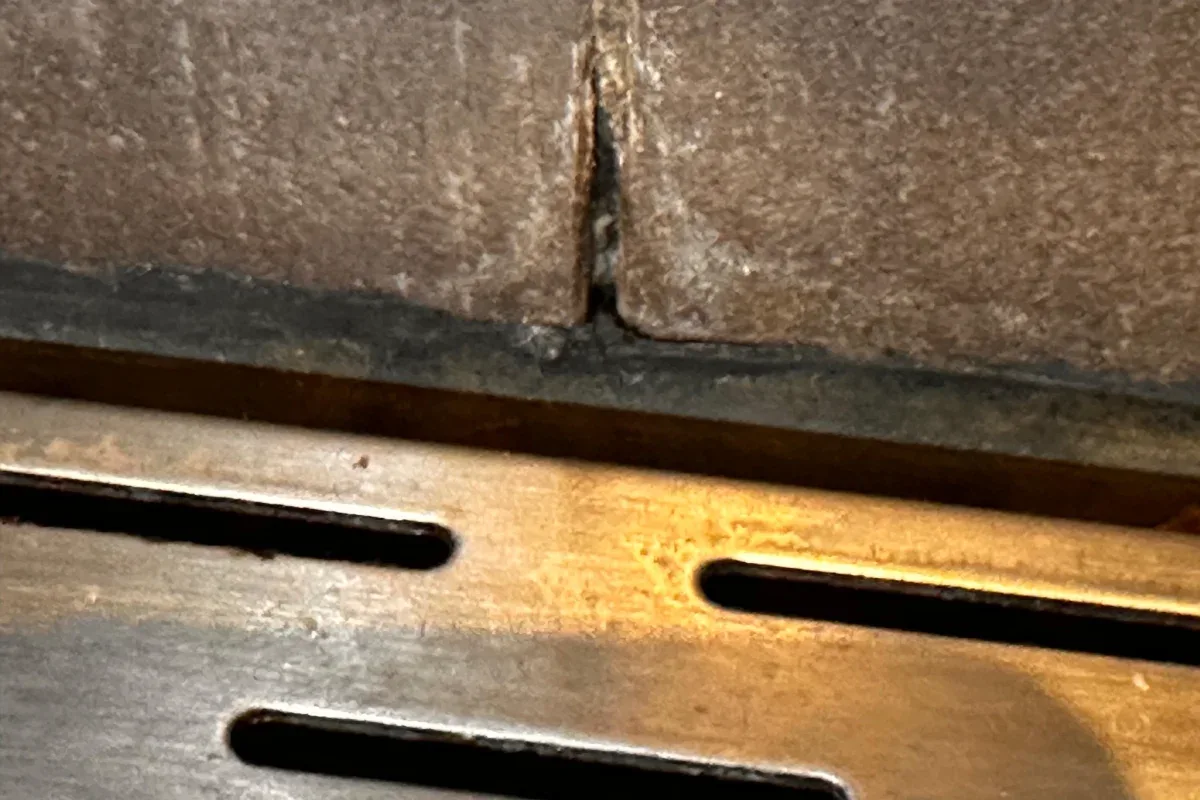
A hollow or ragged joint: the finger and the washing-up liquid
A fingertip leaves a gutter where water sits. Washing-up liquid attacks the still-wet flank and a thin smear frays.
-
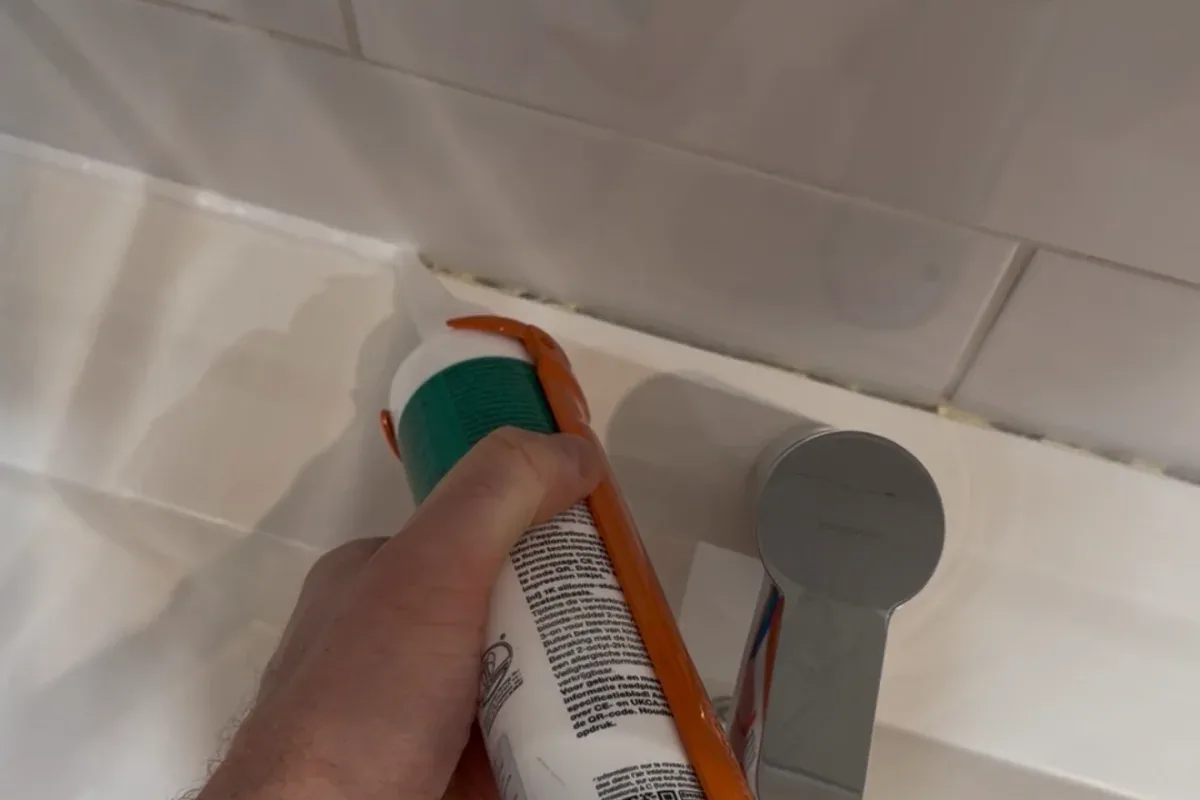
Can I put new silicone over the old layer?
Cured silicone will not take a chemical bond. You get a cold joint and water creeps between the layers.
-
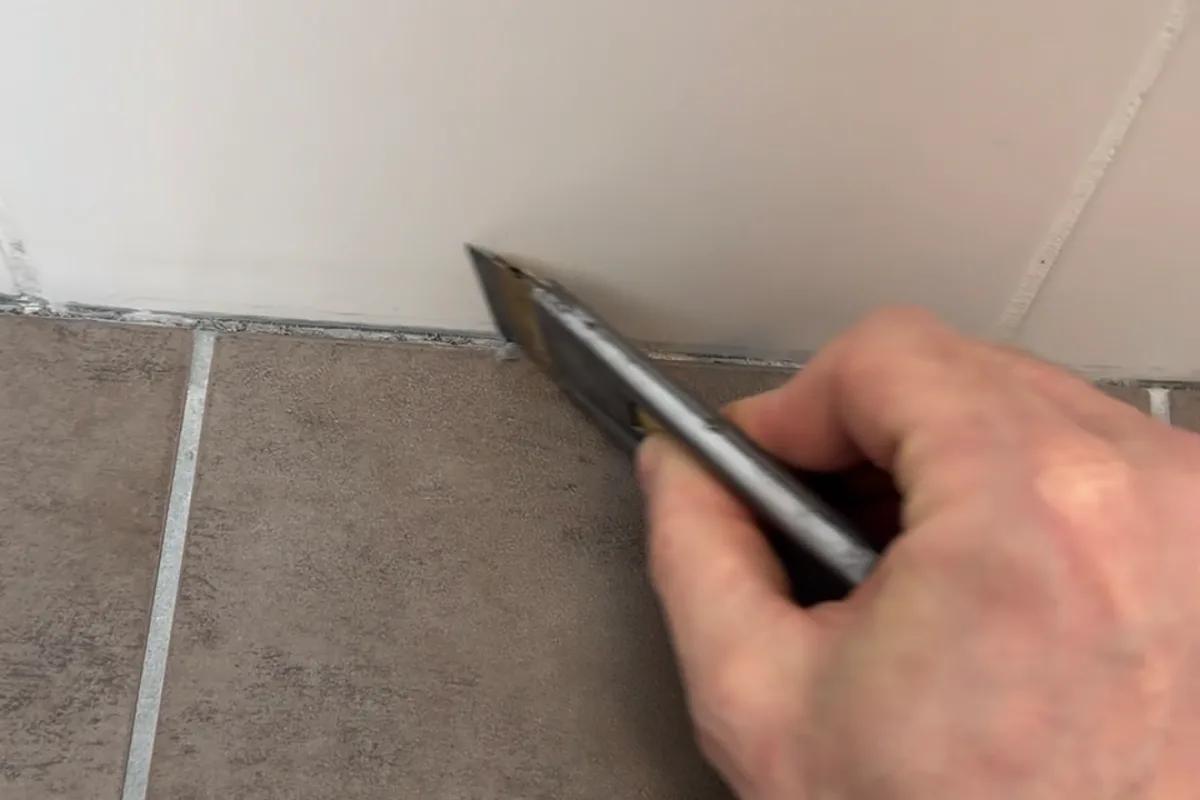
Getting silicone off glass, tile and clothes
Cut first, chemistry second; WD-40 loosens the bead and leaves a film the new joint will not grab.
-
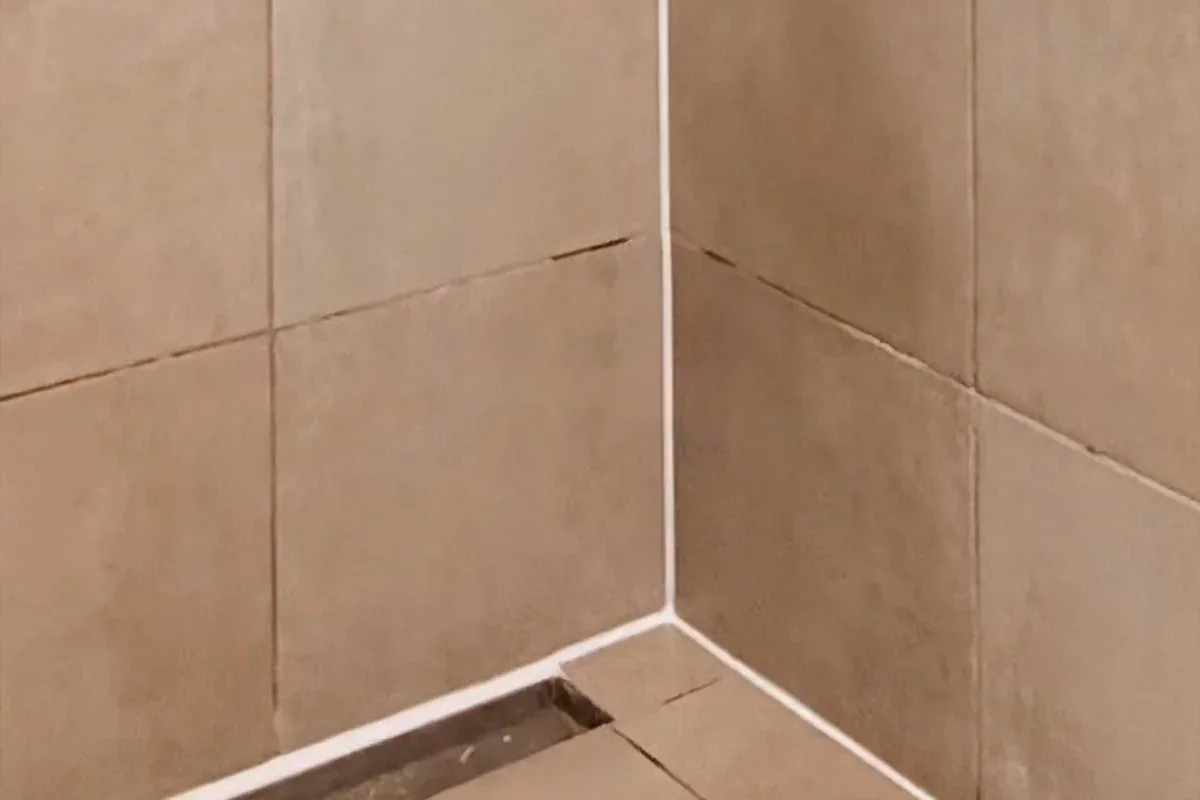
How long a joint really lasts (bath, kitchen, window)
In a shower it is years, not decades. Chlorine, heat and UV kill elasticity before the calendar does.
-
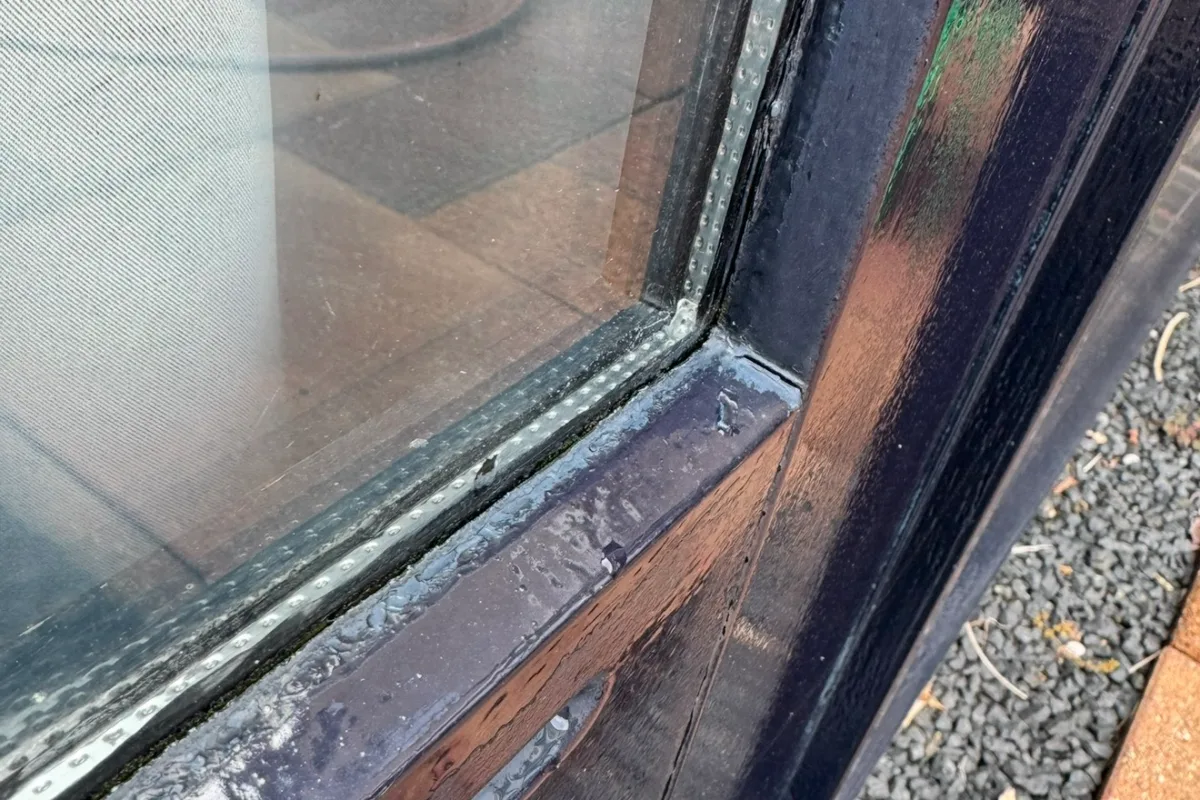
How to spot bad sealant work (a checklist if you are not in the trade)
A pretty line that does not bond is worse than an ugly line that actually closes: look at body, profile and flank, not only the line.
-
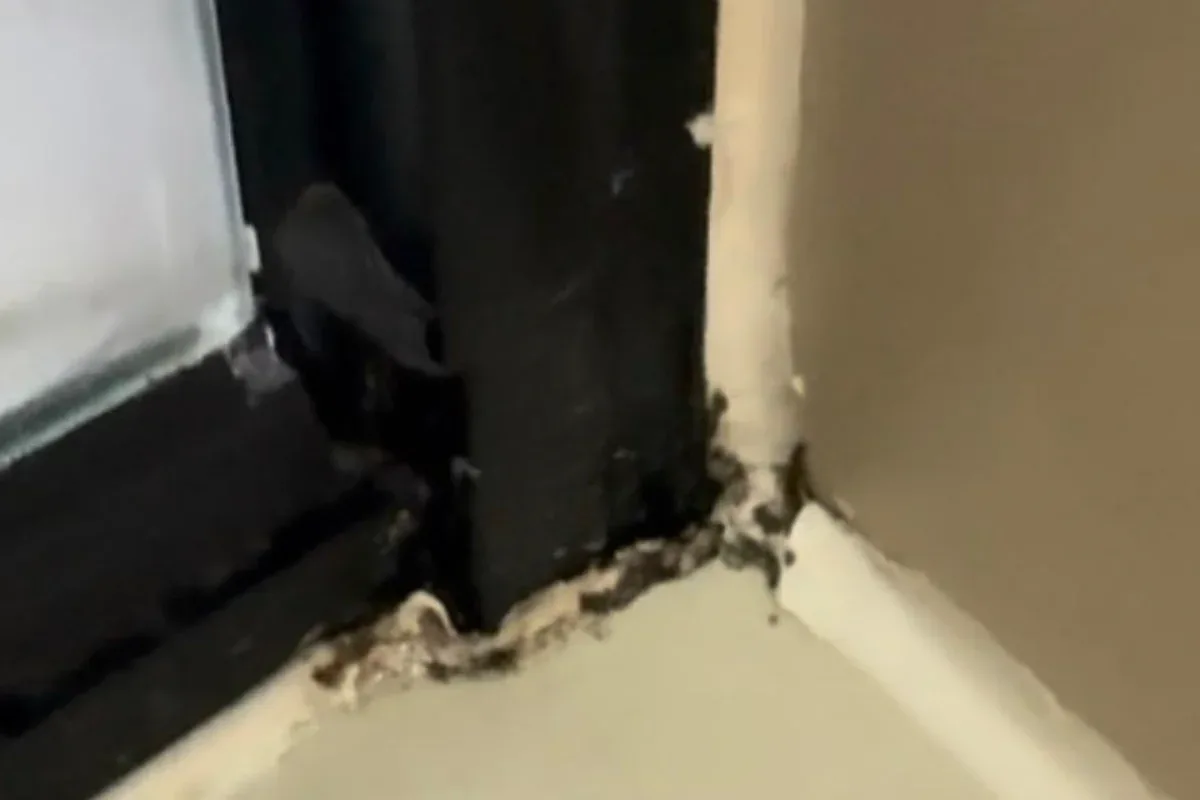
Mould coming back in the joint: scrubbing is not enough
Black specks inside the mass will not leave with chlorine. Bleach fades the colour and leaves the joint more porous; replace it.
-
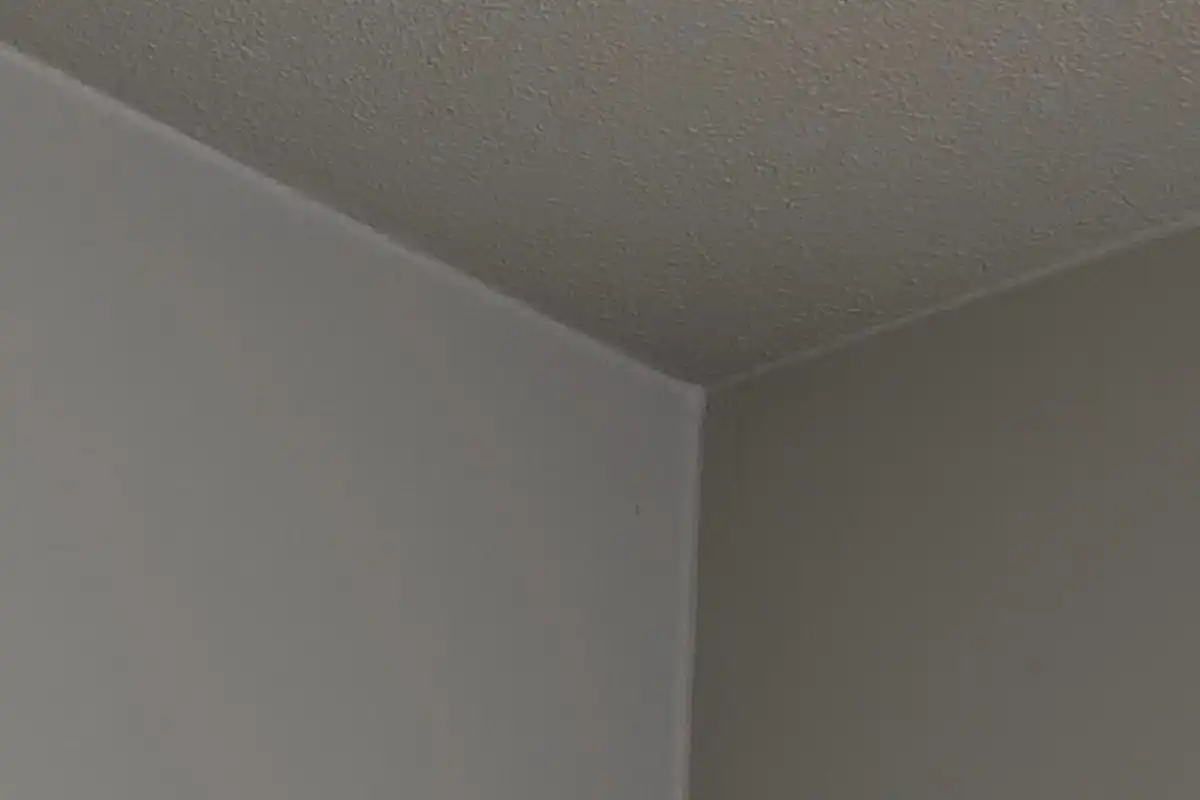
Paint cracking on the ceiling joint: it is not (only) the paint
Craquelure on the ceiling line usually means the acrylic is still shrinking after the paint film has gone hard — or the bead was tooled with soap.
-
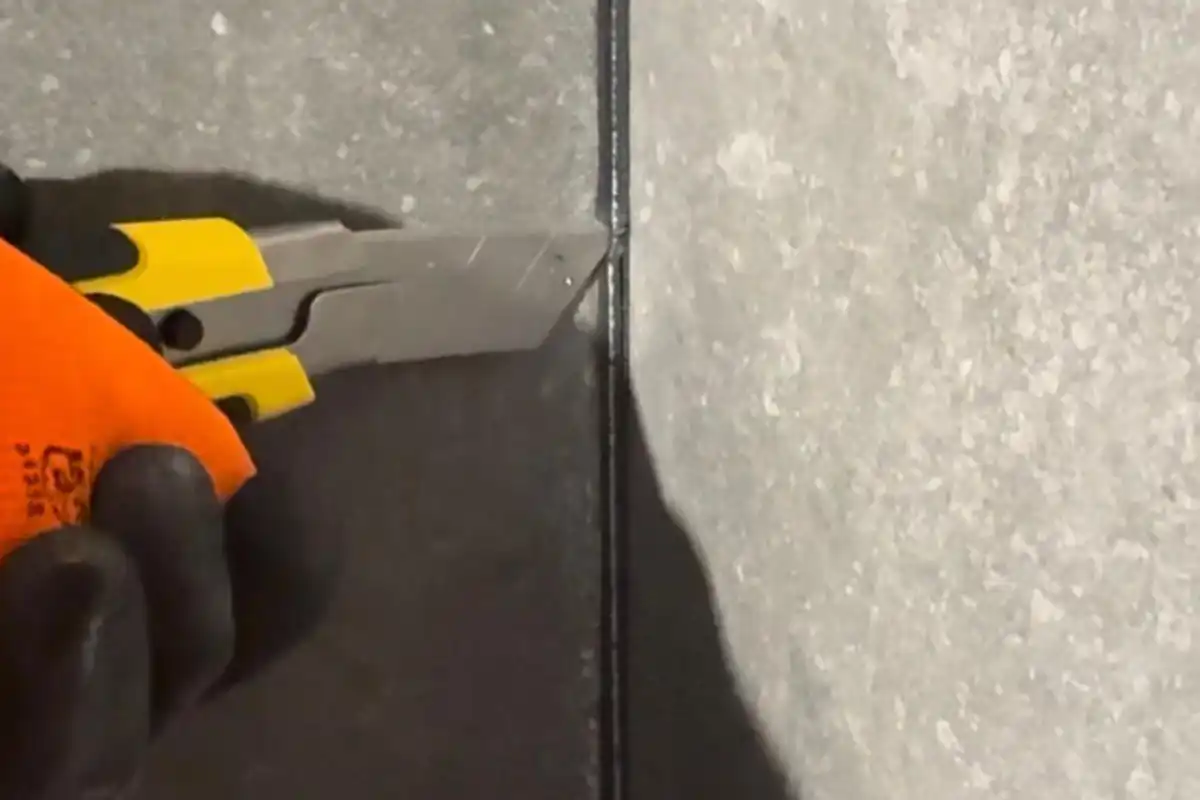
Removing old silicone: why “looks clean” is not enough
New silicone will not bond to an invisible oil film. Cut the mass, break the residue, then degrease — without scratching acrylic.
-
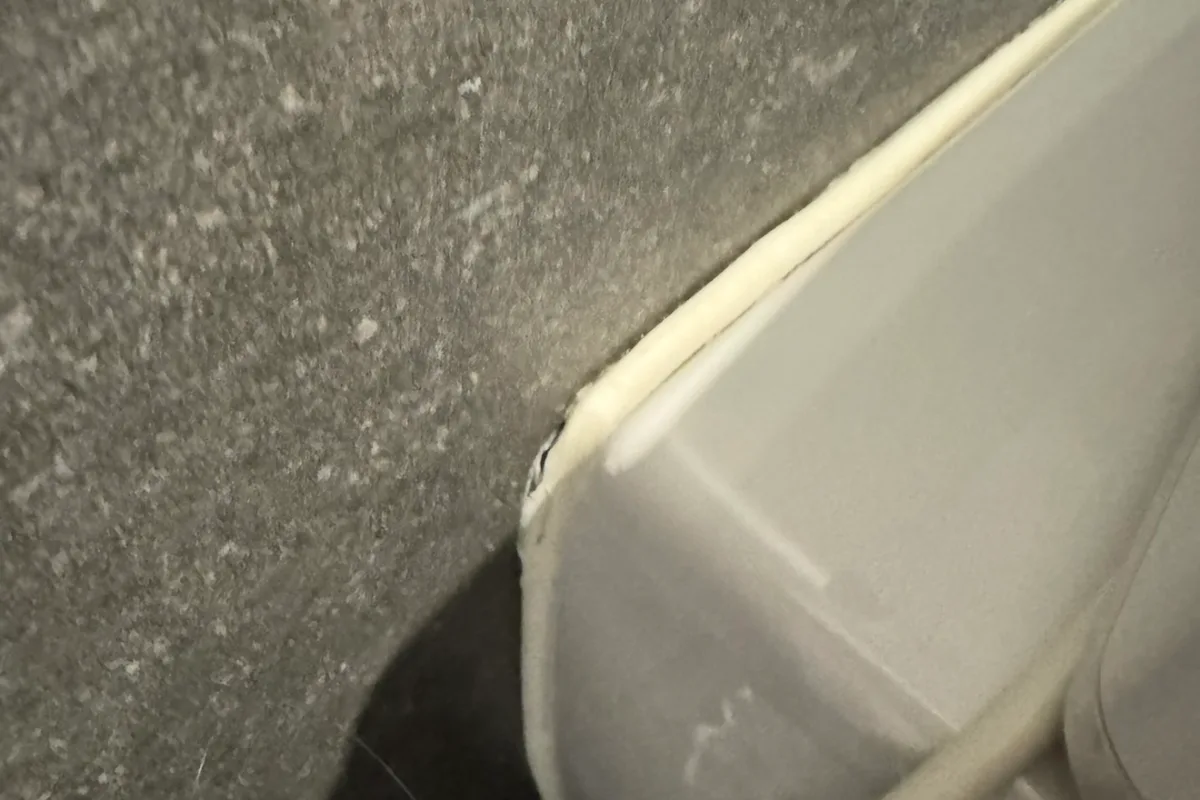
Replace the joint now, or will it last another year?
Mould in the mass or a millimetre loose: now. Only yellow and still elastic: cosmetics. Push it: water may already be behind.
-
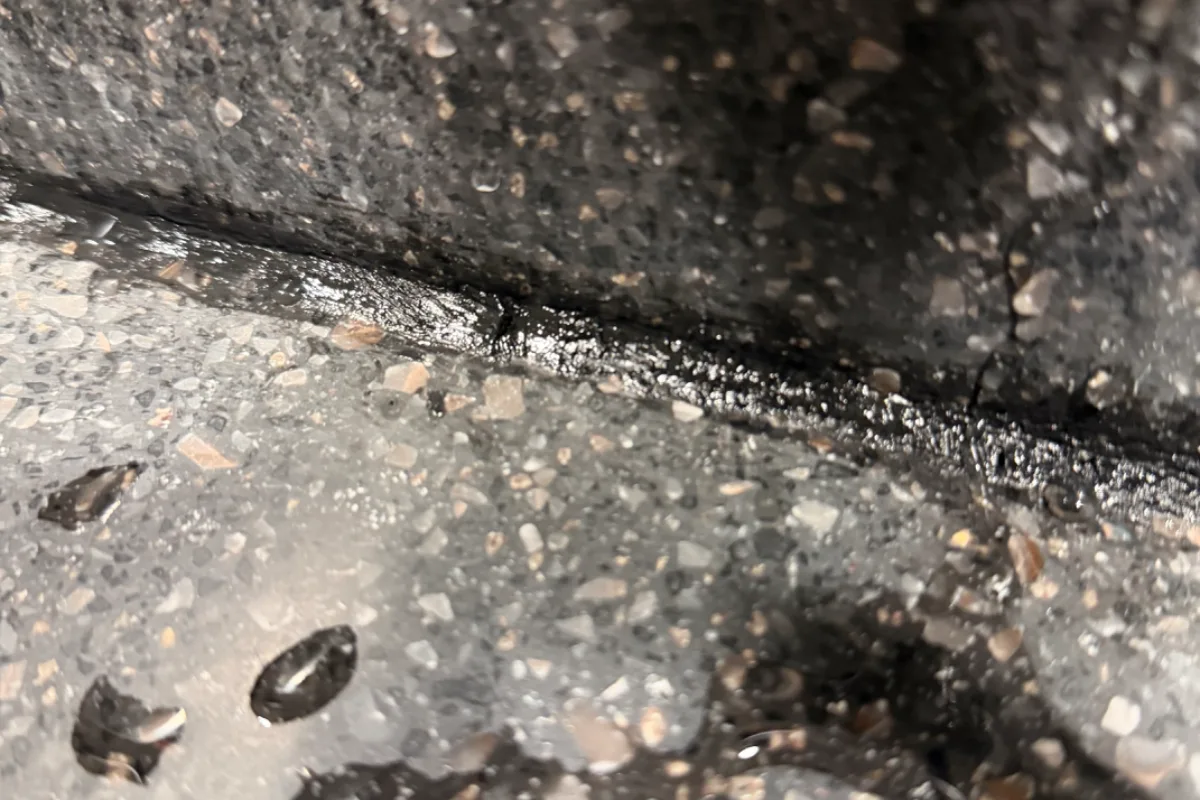
The silicone stays tacky: it is not “drying”
Silicone cures with moisture from the air; expired, cold, in a room that is too dry, or in a joint that is too deep, it stays paste.
-
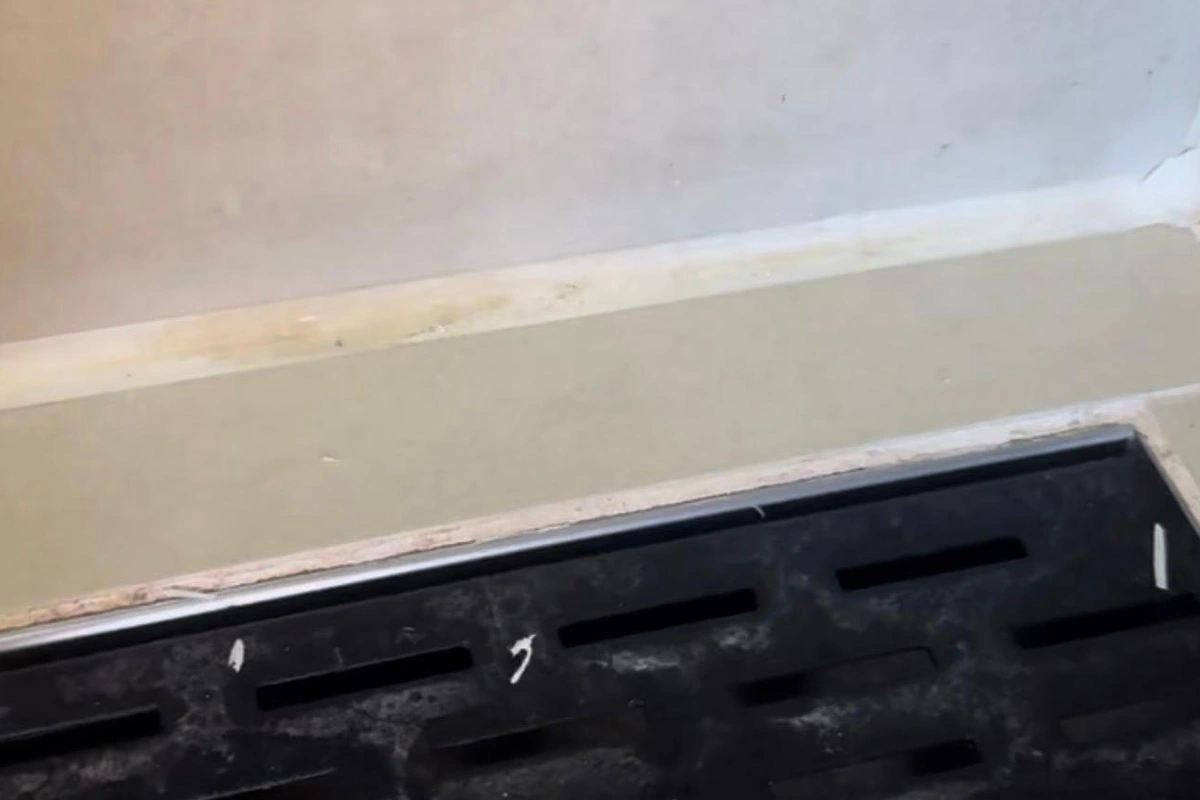
Why white silicone turns yellow
Even yellowing is chemistry, not dirt. Bleach and hard scrubbing often make it worse; the only reset is cut and replace.