
How to spot bad sealant work (a checklist if you are not in the trade)
A pretty line that does not bond is worse than an ugly line that actually closes: look at body, profile and flank, not only the line.
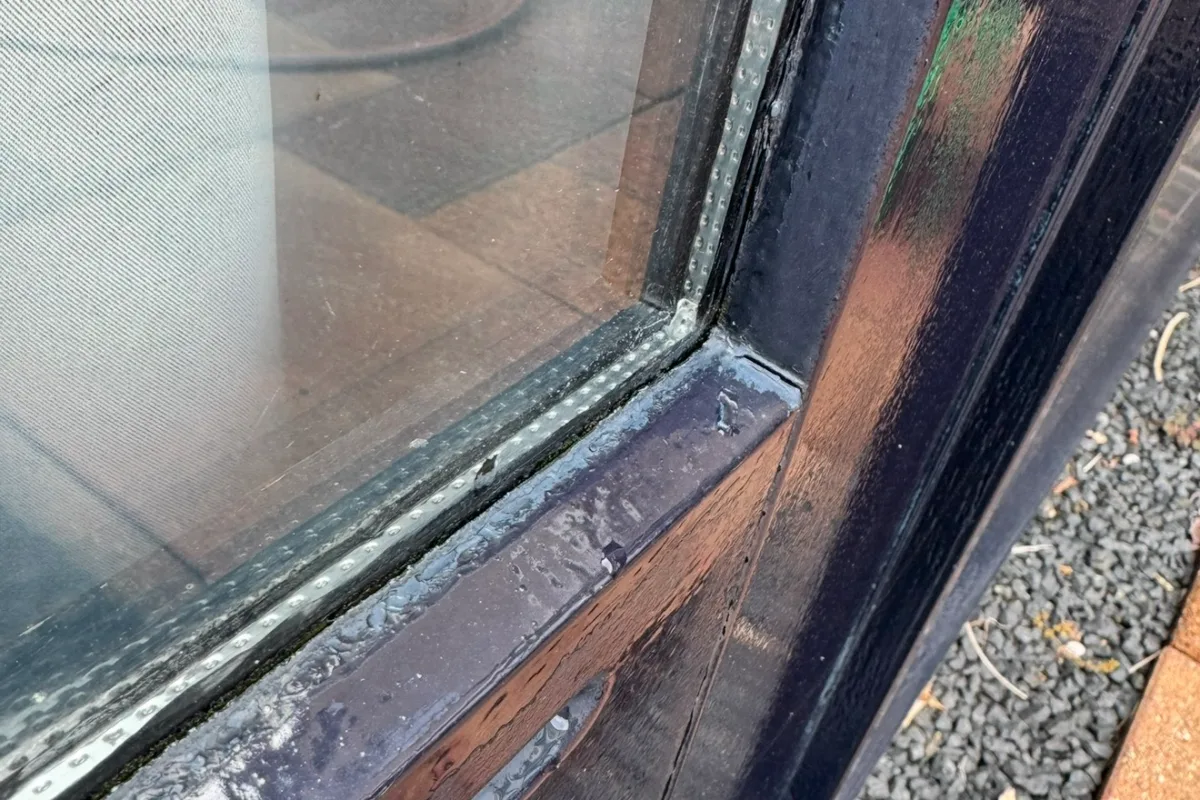
A decent bead is even in width, has real mass, sheds water, and is clearly bonded to both faces. If the joint is hollow, full of pinholes, or you can get a fingernail behind it, it is not a cosmetic niggle: it needs replacing.
Pretty is not the same as closed
The bathroom has just been handed over, or you are viewing a flat, and the silicone “does not feel right”. Most people look at whether the line is straight. I look at three things: whether there is body, whether it bonds, and what profile the bead has.
An ugly line that is well stuck and has mass can still be watertight. A magazine-perfect line that has let go of the tile is a water path. The second is worse.
What proper work looks like
The bead is reasonably even in width. It forms a triangle or a gentle fall, not a gutter, so water runs towards the tray or floor. To the touch it is smooth and rubbery, not like dried putty. On the flanks you can see it actually meets tile and tray (or floor), rather than sitting on top of the grout.
As a rule of thumb on site we want about 4 to 6 mm of bond face on each flank. A millimetre-thin smear will not take the pull when the building or the tray moves a little.
Ugly amateur versus leak risk
Looks rough, sometimes still closed: bubbles, fingerprints, ragged edges, sealant smeared far onto the tiles. Ugly. Not always a leak.
Actually dangerous: you can hook a nail behind the bead (it has let go). There are holes. Or the joint is hollow, like a channel where water sits. That is not a “touch-up”: it comes out and goes back in properly.
The hollow joint, the classic
Plenty of DIY jobs, and more than a few rushed trades, tool the bead too hard with a finger and take most of the silicone with them. What remains is a thin skin in the middle. It looks discreet. At the first bit of movement it splits.
A full joint needs mass so it can stretch and recover. Water and soap also sit in a hollow channel. You can clean every day; mould still arrives early.
In a deep joint with no backer rod, the silicone bonds to the back as well: three-sided adhesion. Then it cannot move and often tears through the middle (cohesive failure). Closed-cell PE backer rod forces a two-face bond.
How to inspect without drama
Wipe off soap and surface dirt. Sometimes “dirty silicone” is just muck.
Use your phone torch along the joint, not straight on. Shadows show lumps, lift and gaps.
Set a fingernail carefully on the flank. If the bead pops off the tile with no fight, there is no adhesion. Press the centre: if it springs back like rubber, good; if the dent stays like Plasticine, either the wrong product went in or the cartridge was past it.
A surface air bubble is a weak spot. Pierce it and water sits there. It is often haste or a cold cartridge.
Mistakes that give the job away
Tooling with spit: a load of bacteria into the bead. A proper tooling fluid or a clean spatula, not Uncle’s trick.
Acrylic sealant in the wet zone: it goes hard, water does not treat it like sanitary silicone, and it often dries matt with crazing. Not in the shower.
A fat, lumpy bead on top of another: someone has almost certainly shot over old mould. Fresh silicone does not bond to cured silicone.
When it is fair to complain
The bead is not a steel rule: if the flanks hold and there is mass, it can be watertight even if the line wobbles a millimetre. Loss of adhesion, or acrylic where silicone should have been, is a technical defect, not a colour whim.
What I use on this joint
-
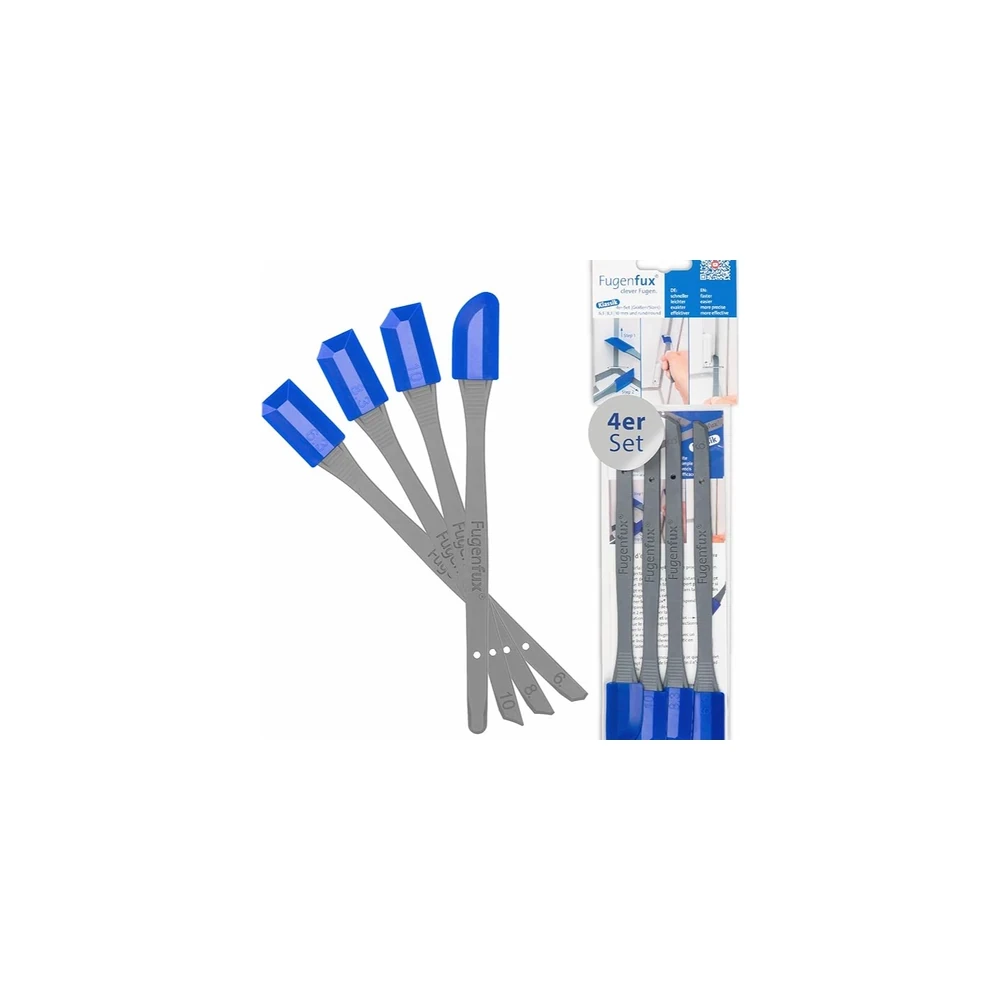
Fugenfux
Spatula set for tooling joints to a controlled profile.
-
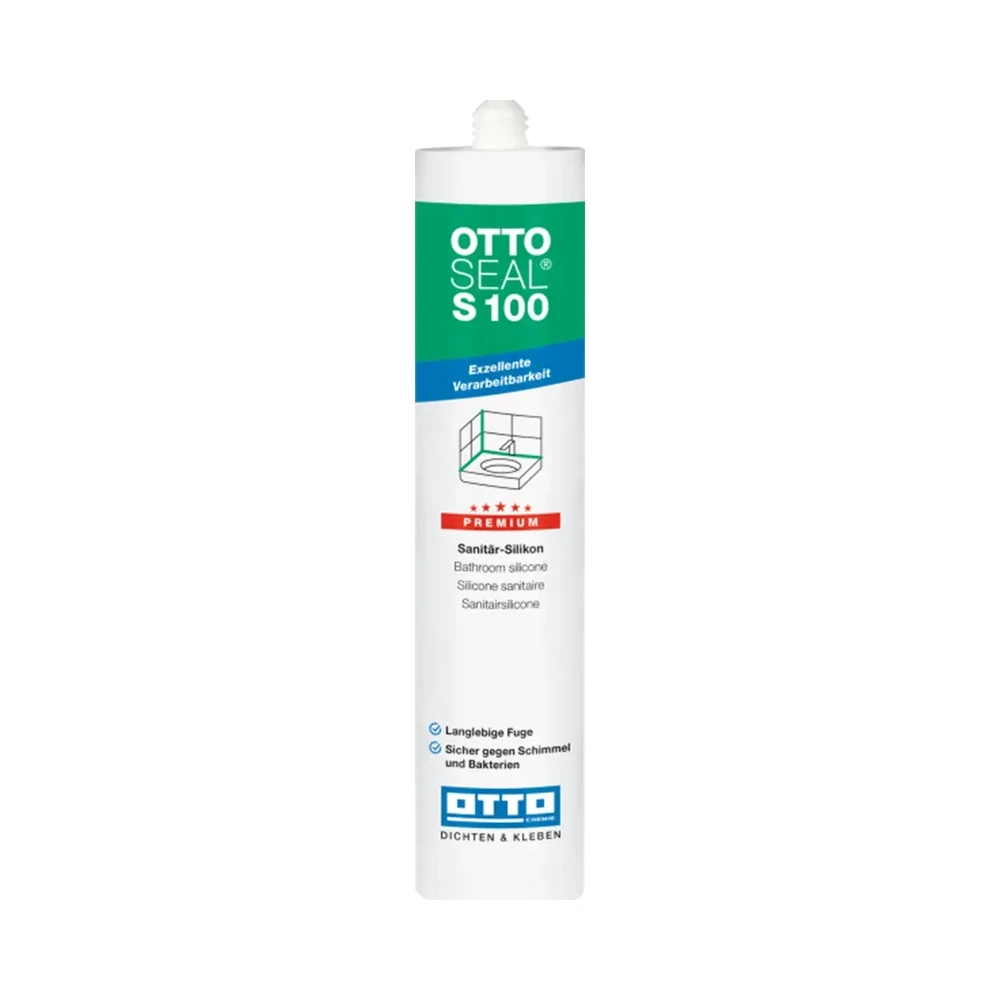
OTTOSEAL S100
The sanitary silicone I use on showers and baths. Elastic — not a staining-risk stone silicone.
OTTOSEAL S100 Purchase link not available
-
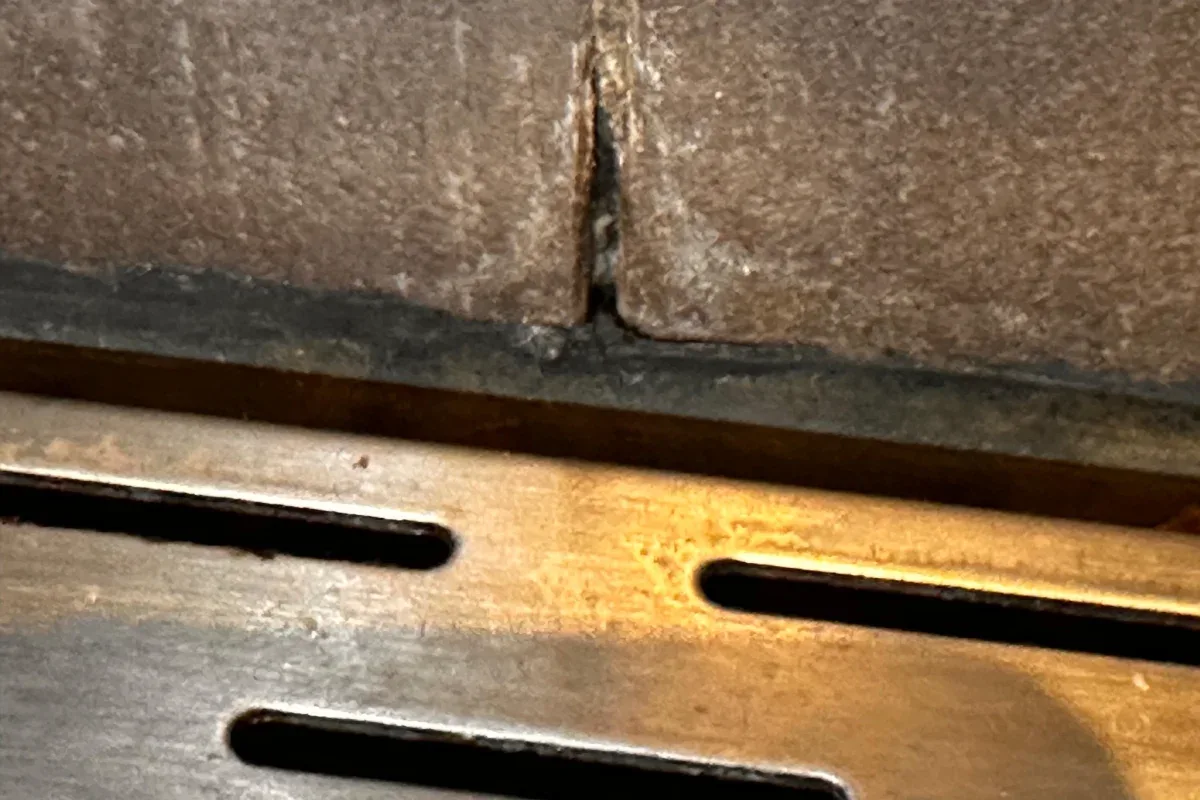
A hollow or ragged joint: the finger and the washing-up liquid
A fingertip leaves a gutter where water sits. Washing-up liquid attacks the still-wet flank and a thin smear frays.
-
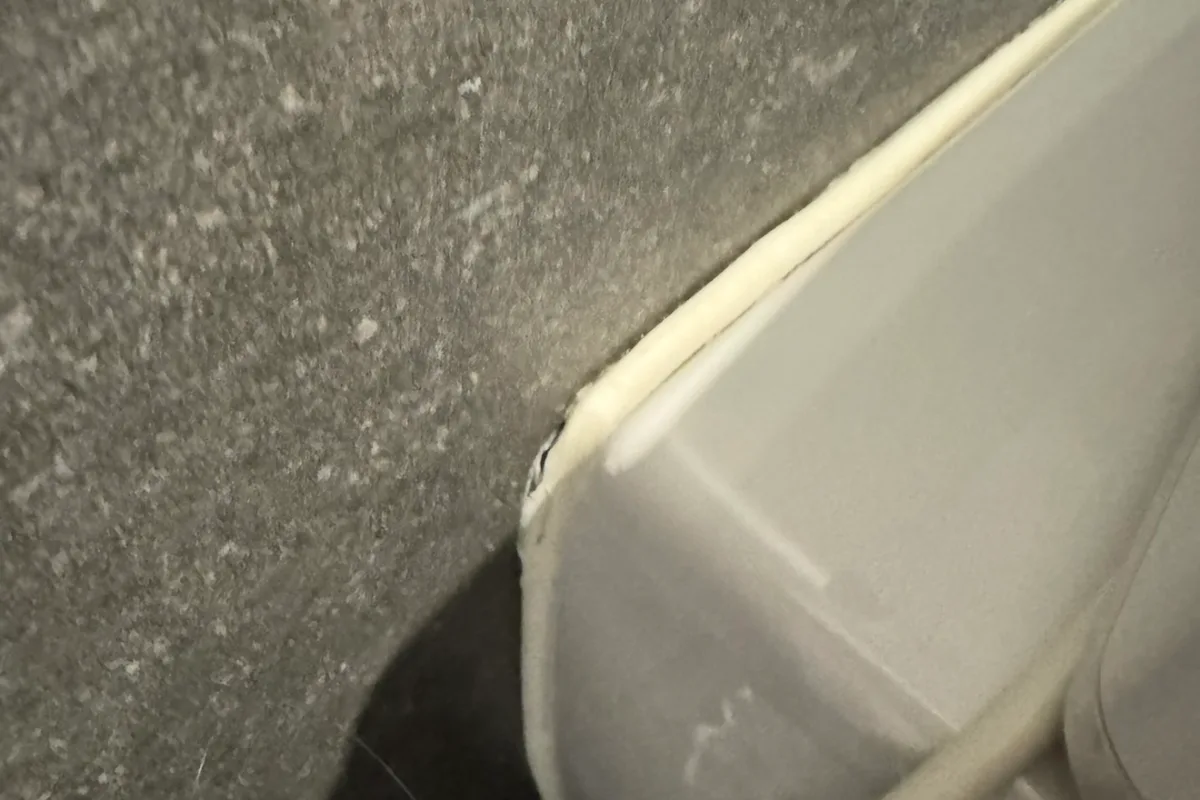
Replace the joint now, or will it last another year?
Mould in the mass or a millimetre loose: now. Only yellow and still elastic: cosmetics. Push it: water may already be behind.
-
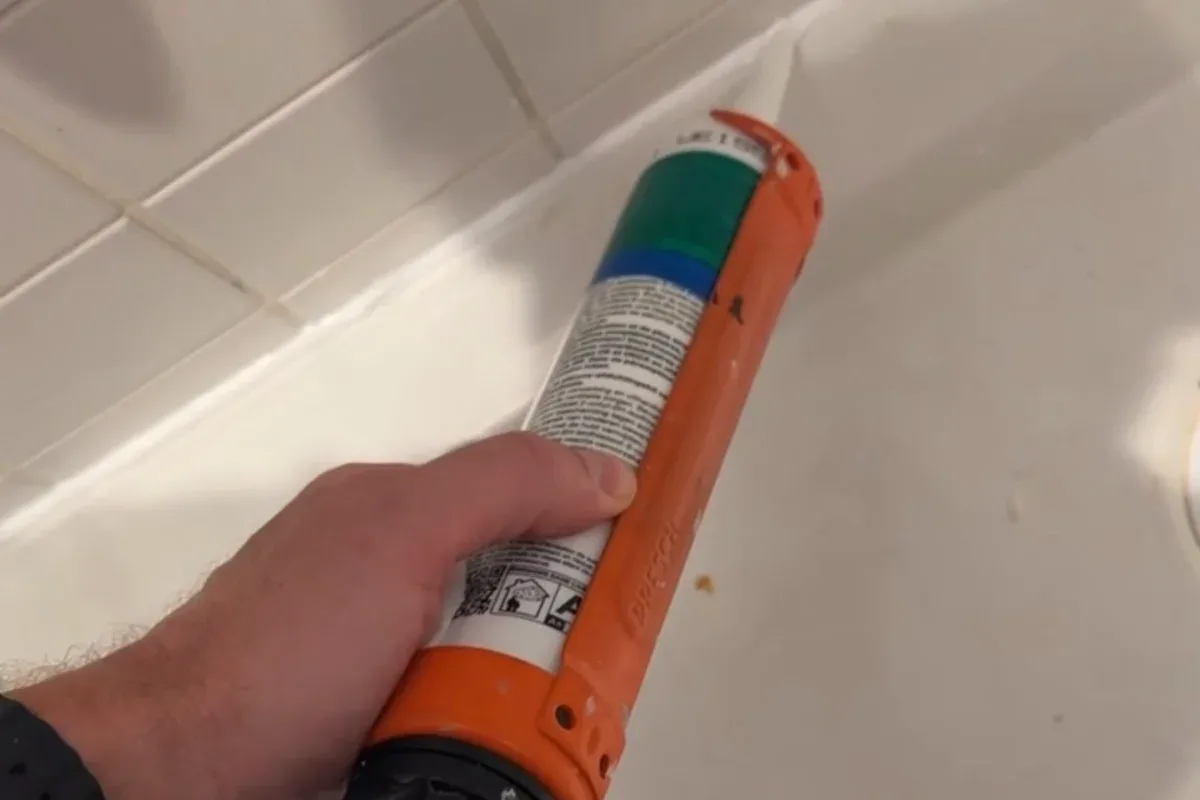
Three-sided adhesion: why a “full” joint tears
If the silicone bonds to both flanks and the back, it cannot stretch; backer rod or bond-breaker tape frees the third face.