Three-sided adhesion: why a “full” joint tears
If the silicone bonds to both flanks and the back, it cannot stretch; backer rod or bond-breaker tape frees the third face.
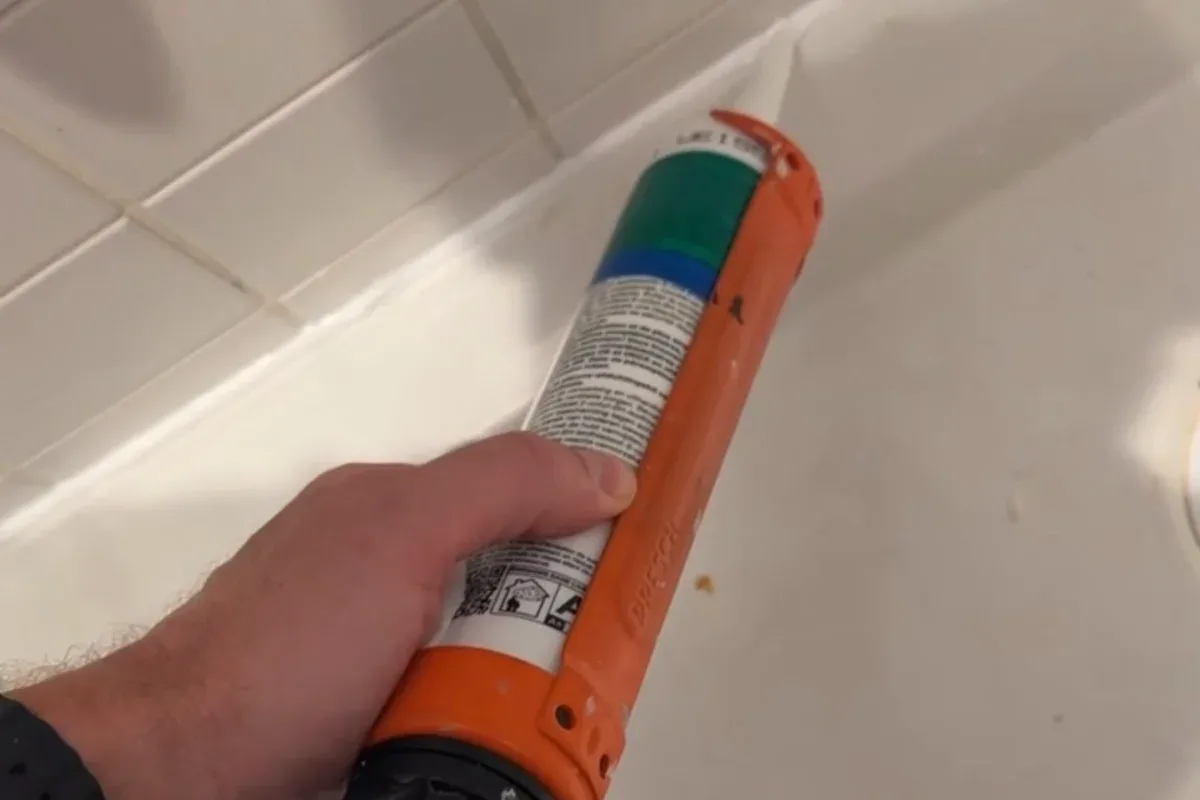
An elastic joint should grab two faces, not three. PE backer rod releases the back. Packing the void with paste does not make it stronger: it makes it stiffer.
Why a stuffed joint tears
Three-sided adhesion is when the bead bonds not only to the two flanks of the joint but also to the plane behind: tile adhesive, concrete, the back of a profile. Elastic sealant needs to change shape between two faces. If the back holds it as well, movement piles up at the edges. Then it either tears through the middle (cohesion) or lets go of a flank (adhesion).
Think of a rubber band. Pulled from both ends, stretch spreads. Stick the back to a wall and pull: that point cannot extend. All the load goes to the ends. In a bathroom joint, the typical movement class of an elastic silicone — on the order of 20–25 %, not a guarantee for that joint — collapses. You are left with a few per cent.
A void packed with silicone is not “stronger”. It has more contact faces and fails sooner.
When to use it — and when not
Yes, backer rod of closed-cell PE when there is depth to spare. PE does not bond; it frees the back and sets the geometry.
If the joint is too shallow for a rod, PE tape or foil on the back is the bond-breaker.
More paste will not save it if the movement is slab settlement or a badly framed partition. Stabilise the build first. Backer rod will not hold a structural crack.
In the wet, closed-cell PE only. Open-cell foam is a sponge: water behind the bead and mould.
How I do it
- Cut out the old joint and the hard adhesive that has squeezed into the corner. When you scrape, do not nick the waterproofing under the tiles.
- Check width and depth; the section has to make sense.
- Push in rod 20–30 % fatter than the gap, wedged, not crushed flat.
- Degrease the flanks, one direction, a lint-free cloth.
- Sanitary silicone or an elastic sealant that wets both faces. Tool it.
On tiling, if adhesive fills the internal corner and cures, that is the third plane. The tiler should leave room for the PE. If not, you scrape it before you seal.
Exceptions
A rigid mortar joint does not take elastic backer rod. A rocking shower tray is a support problem, not a bead-shape problem.
What I use on this joint
-
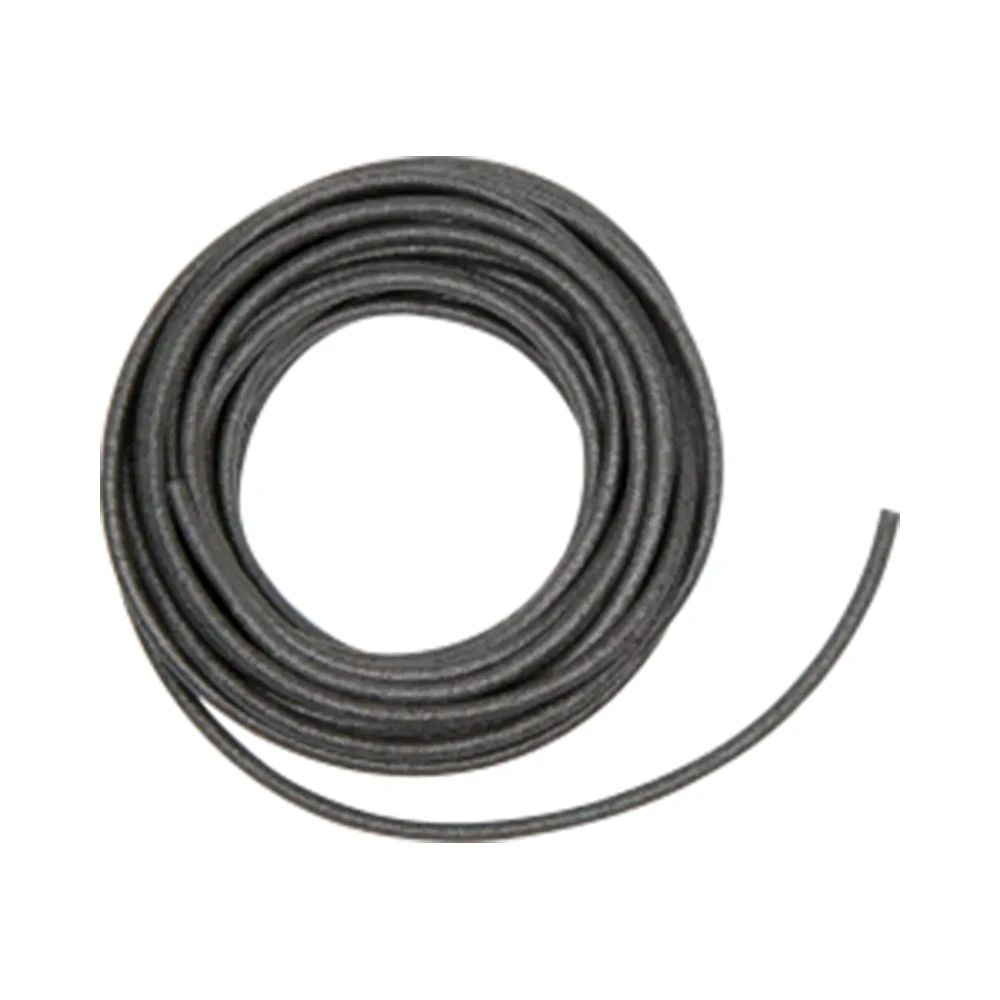
Backer rod
Closed-cell PE rod to control depth and prevent three-sided adhesion.
Backer rod Purchase link not available
-
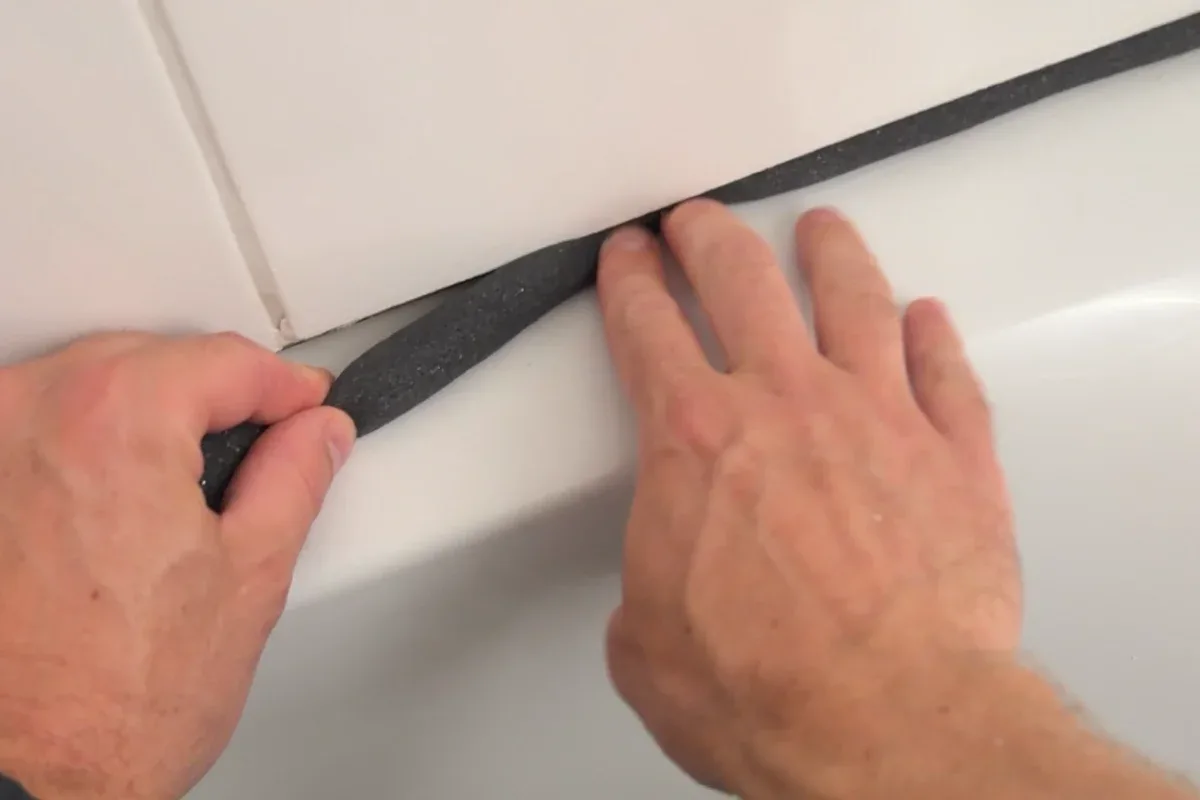
Why there is backer rod behind a sealant joint
Closed-cell PE rod sets depth and stops the bead bonding to the back, so the joint can stretch on two faces.
-
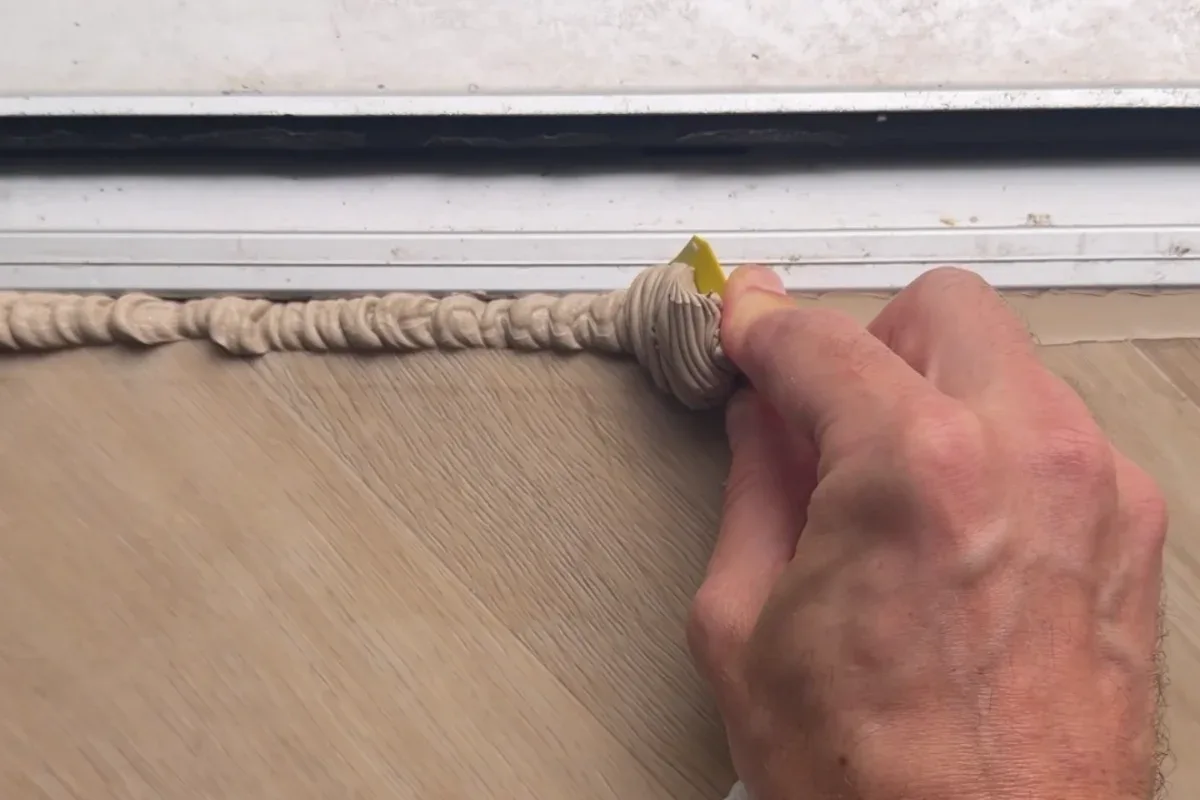
How deep the joint should be: more silicone is not stronger
Up to about 10 mm wide, depth close to width (minimum about 5 mm). Wider: limit depth with PE backer rod.
-
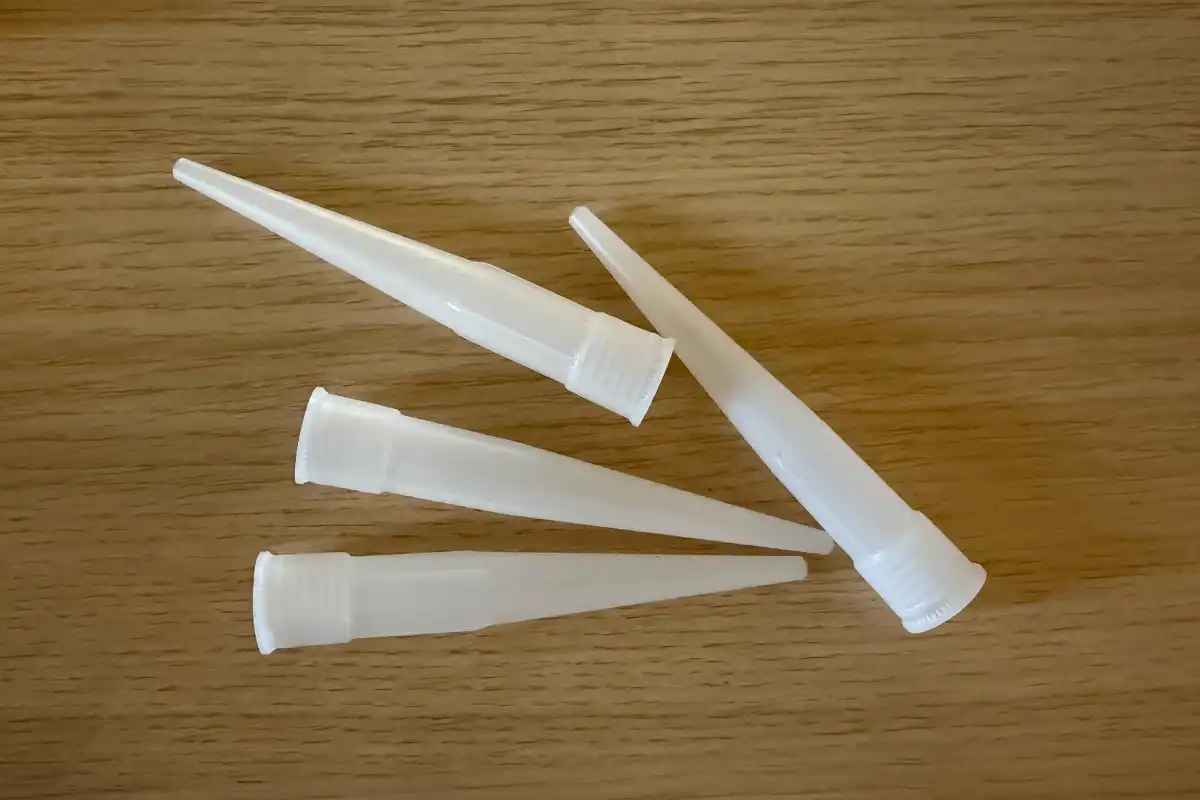
How wide a silicone joint can be
In a bathroom the useful range is usually 5–15 mm; under that there is no body, and beyond about 20 mm it is no longer a cartridge job.