
How deep the joint should be: more silicone is not stronger
Up to about 10 mm wide, depth close to width (minimum about 5 mm). Wider: limit depth with PE backer rod.
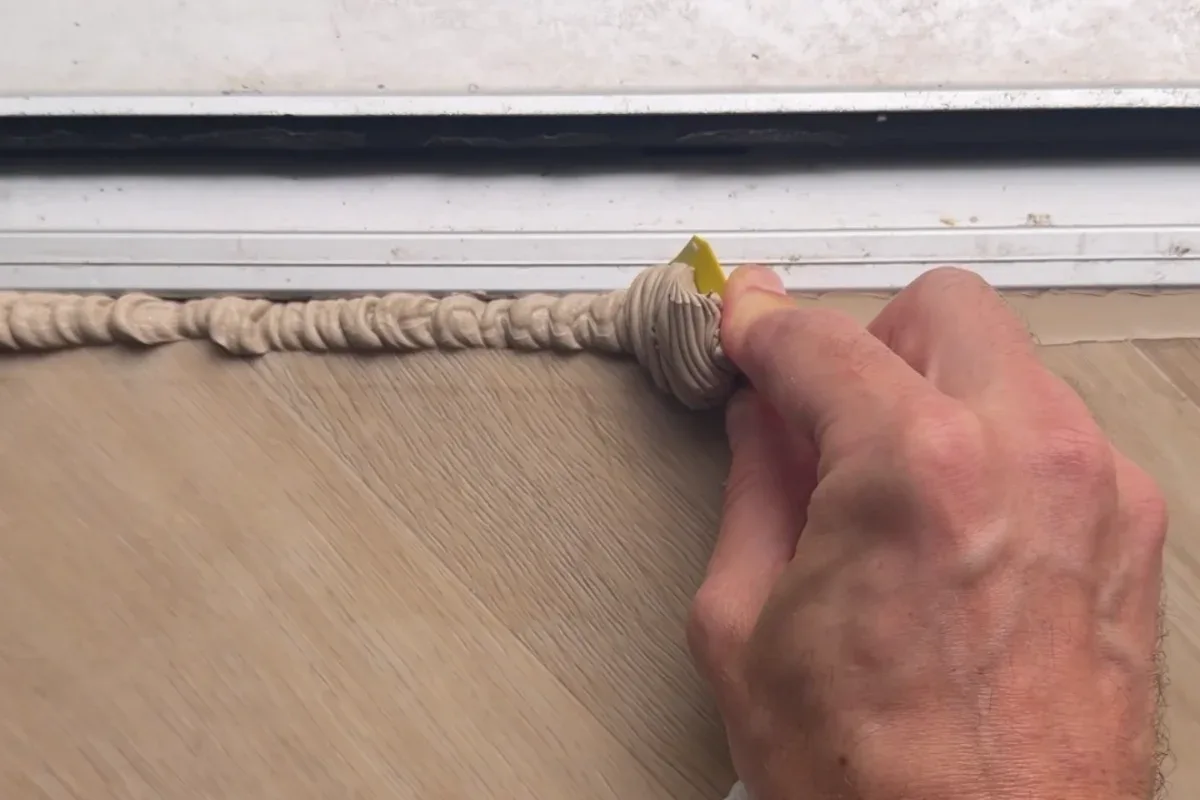
Narrow joint: depth close to width, not a smear. Wide joint: about 8–10 mm of silicone, the rest backer rod. A packed well pulls the flanks.
More paste does not hold more
Depth is not a guess: it follows width and how an elastic mass deforms. Up to about 10 mm wide we use, as a trade rule, depth close to the width, with a minimum of about 5 mm of mass. Thinner than that and there is too little material to take even a small movement.
Between 10 and 15 mm wide, the silicone stays around 8–10 mm deep. The rest is backer rod, not a block. A deeper well looks “more solid”; in fact there is more mass to stretch, and that force goes into the flanks: adhesion (peel from the tile) or cohesion (tear down the middle).
When to change the depth
Narrower than 10 mm: depth ≈ width, never a hairline.
10–15 mm wide: cap the depth at about 8–10 mm.
Void deeper than it is wide: do not fill it solid. Closed-cell PE to the right height.
Gap under about 5 mm: do not force a bead. Widen or rout it; a 2 mm film splits quickly.
Hourglass, not three faces
If the mass also sticks to the back (adhesive, cement), you have three-sided adhesion. A round PE rod hides the back and forces the hourglass: flanks filled, a thinner belly, real movement. The rod is usually 20–30 % wider than the gap, so it sits under compression. If the meeting is too skinny for a rod, PE tape on the back does the same job as a bond breaker.
How I do it
- Measure the width between flanks; that sets depth and rod diameter.
- Cut out the old. Clean, degrease, dry.
- Push the PE to height.
- Check the back is covered.
- Fill and tool. In a bathroom, OTTOSEAL S100.
Watch the knife when you strip the old: do not take the tanking with it.
Exceptions
A crack from a sinking substrate or a loose tile is not “filled”. Sealant is not glue or a prop. Width that changes along the run: look at the worst spot, not the average.
What I use on this joint
-
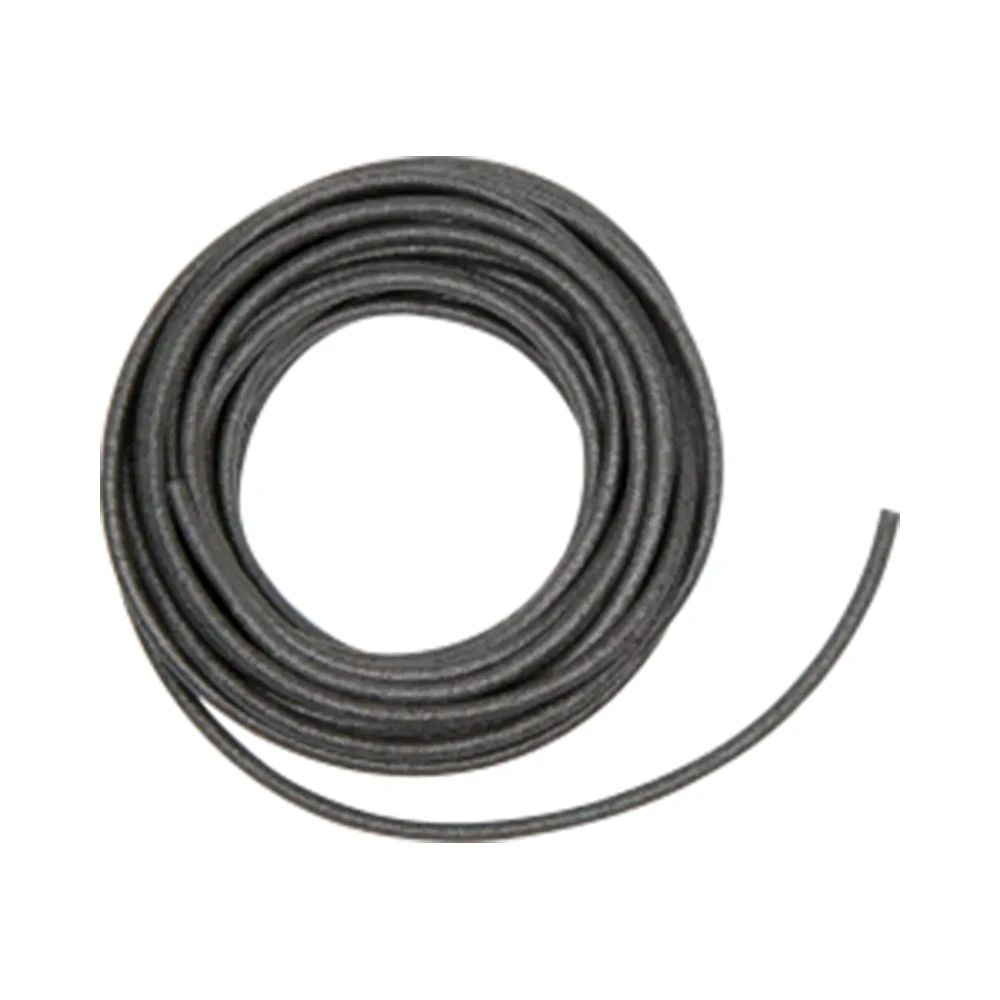
Backer rod
Closed-cell PE rod to control depth and prevent three-sided adhesion.
Backer rod Purchase link not available -
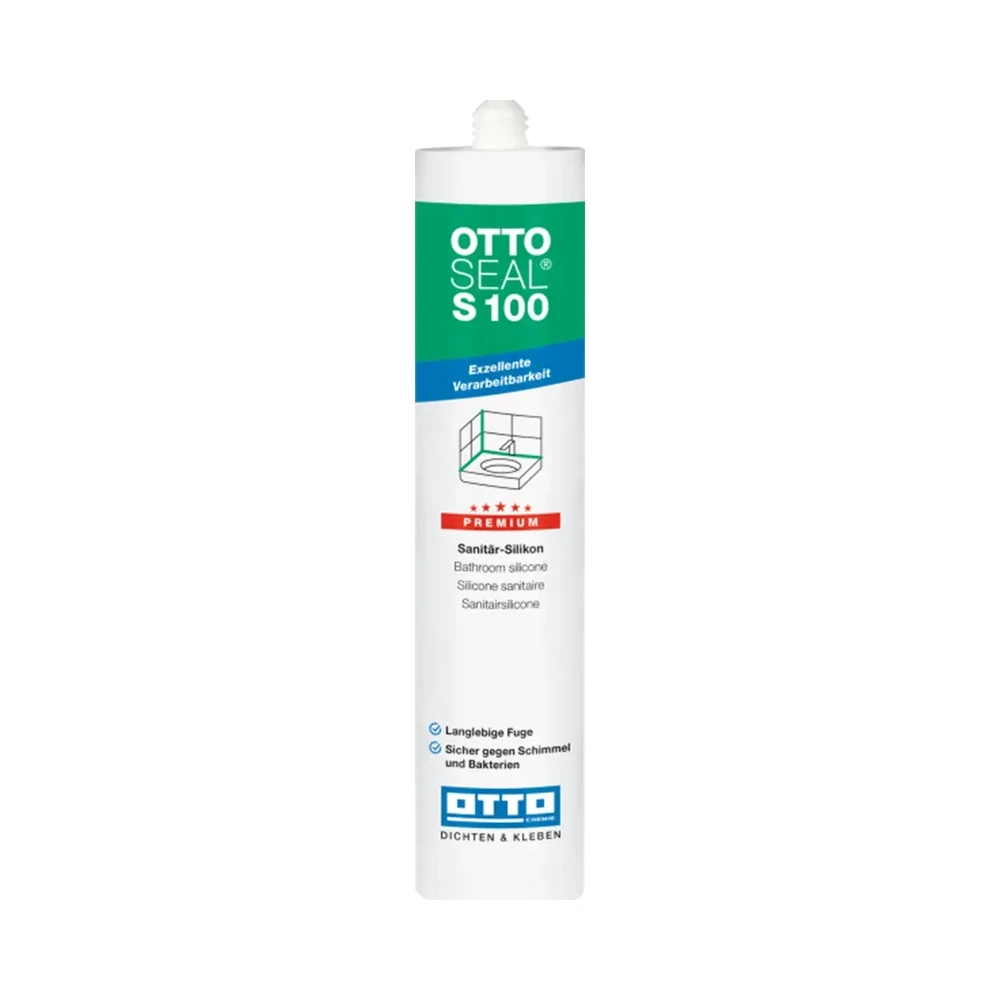
OTTOSEAL S100
The sanitary silicone I use on showers and baths. Elastic — not a staining-risk stone silicone.
OTTOSEAL S100 Purchase link not available
-
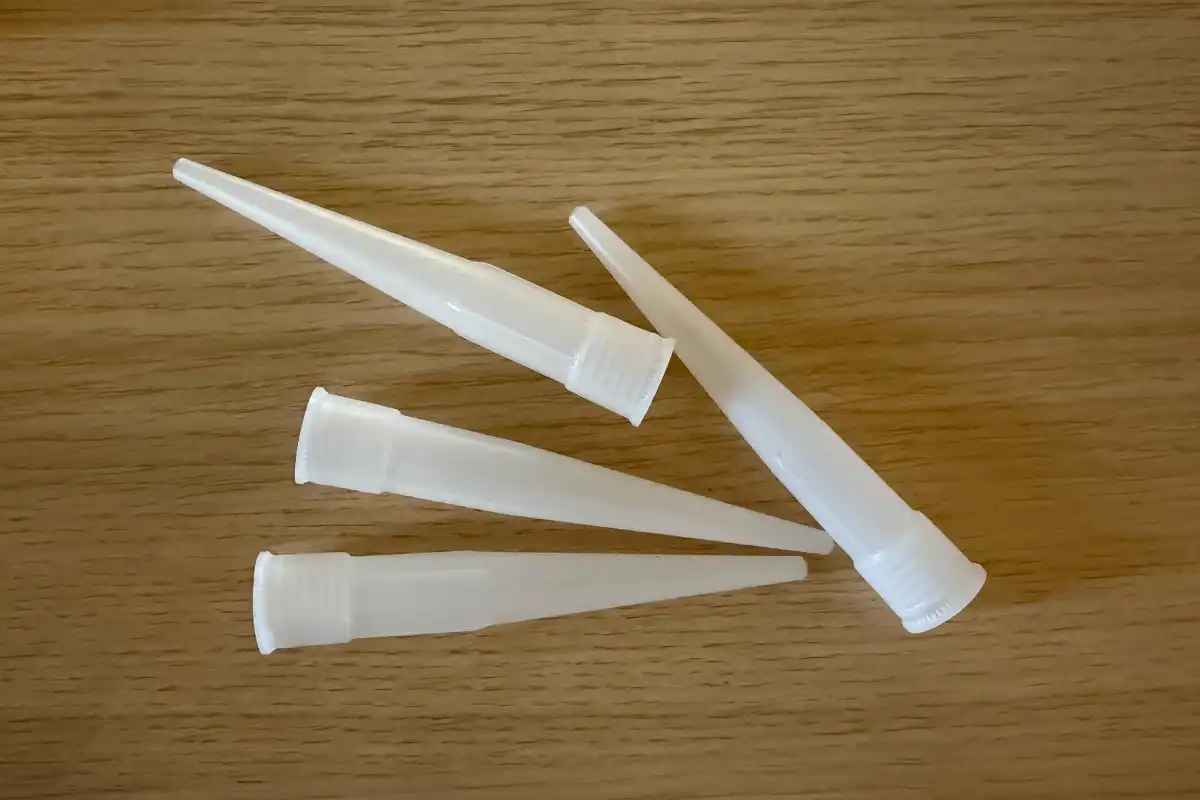
How wide a silicone joint can be
In a bathroom the useful range is usually 5–15 mm; under that there is no body, and beyond about 20 mm it is no longer a cartridge job.
-
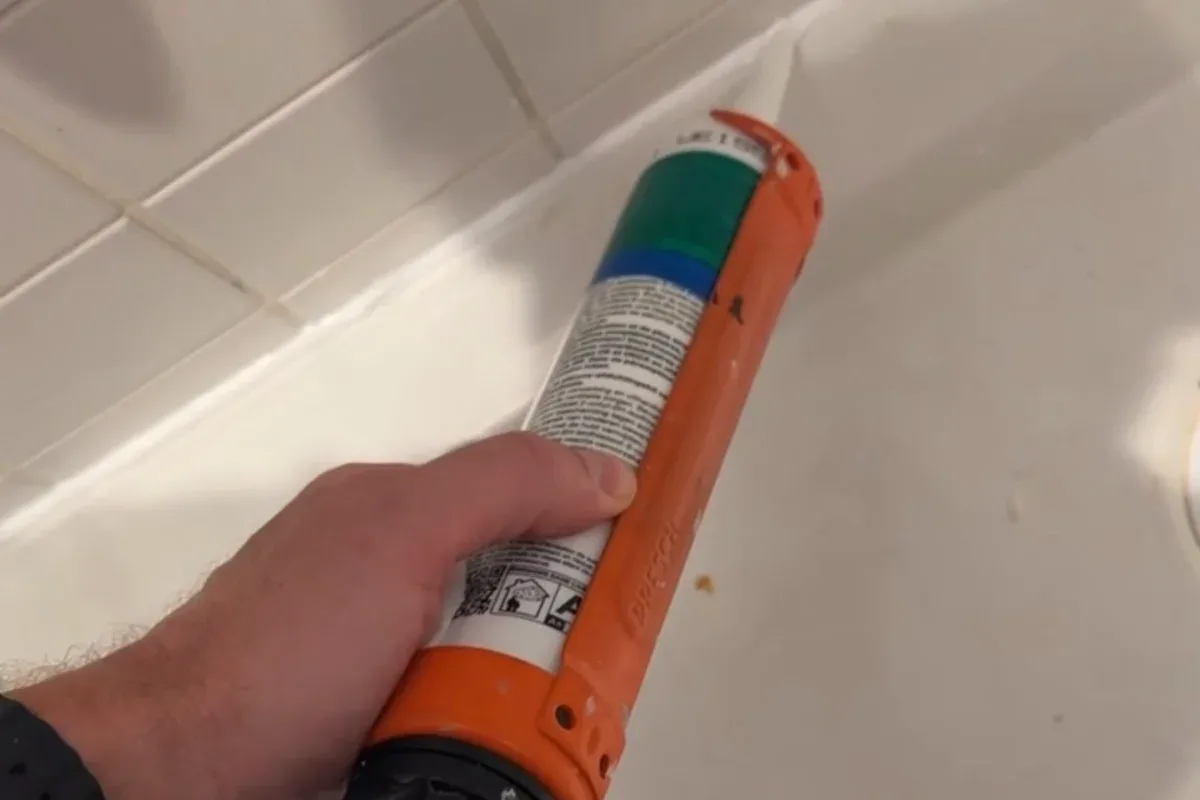
Three-sided adhesion: why a “full” joint tears
If the silicone bonds to both flanks and the back, it cannot stretch; backer rod or bond-breaker tape frees the third face.
-
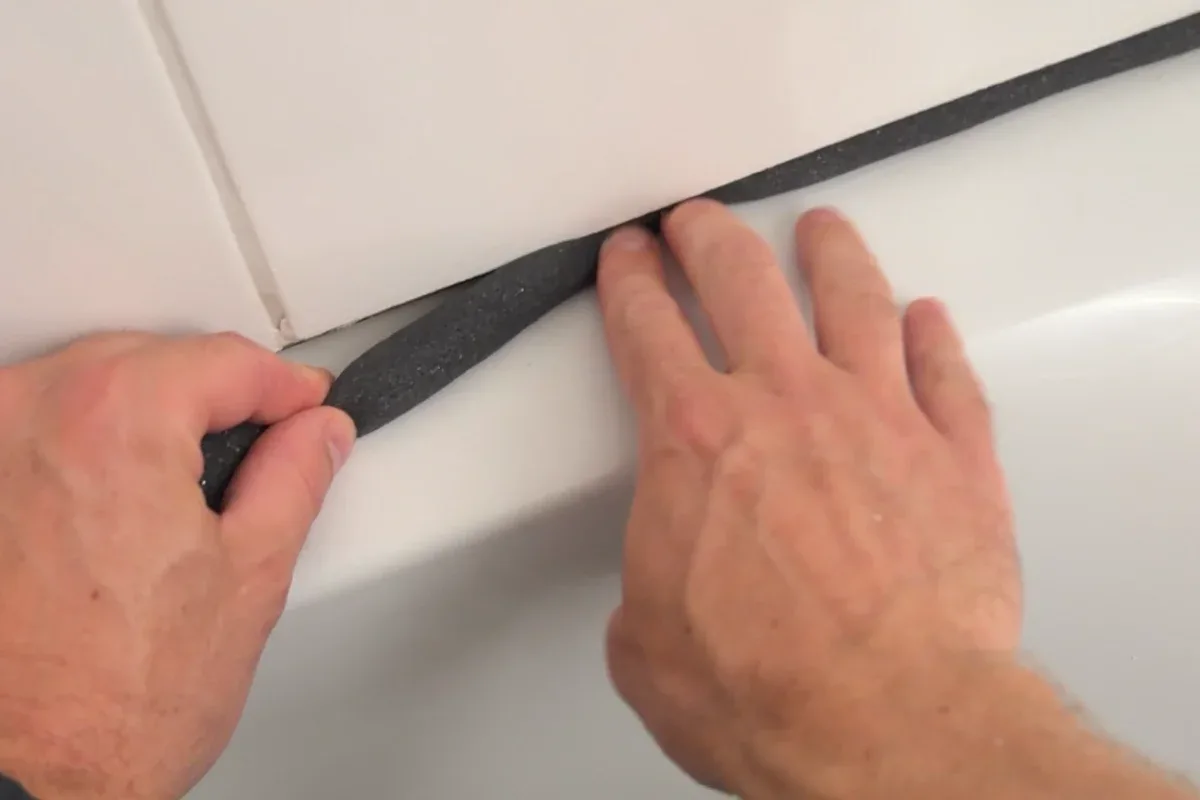
Why there is backer rod behind a sealant joint
Closed-cell PE rod sets depth and stops the bead bonding to the back, so the joint can stretch on two faces.