
Prep & joint design
Clear technical answers — no filler, no invented claims.
-
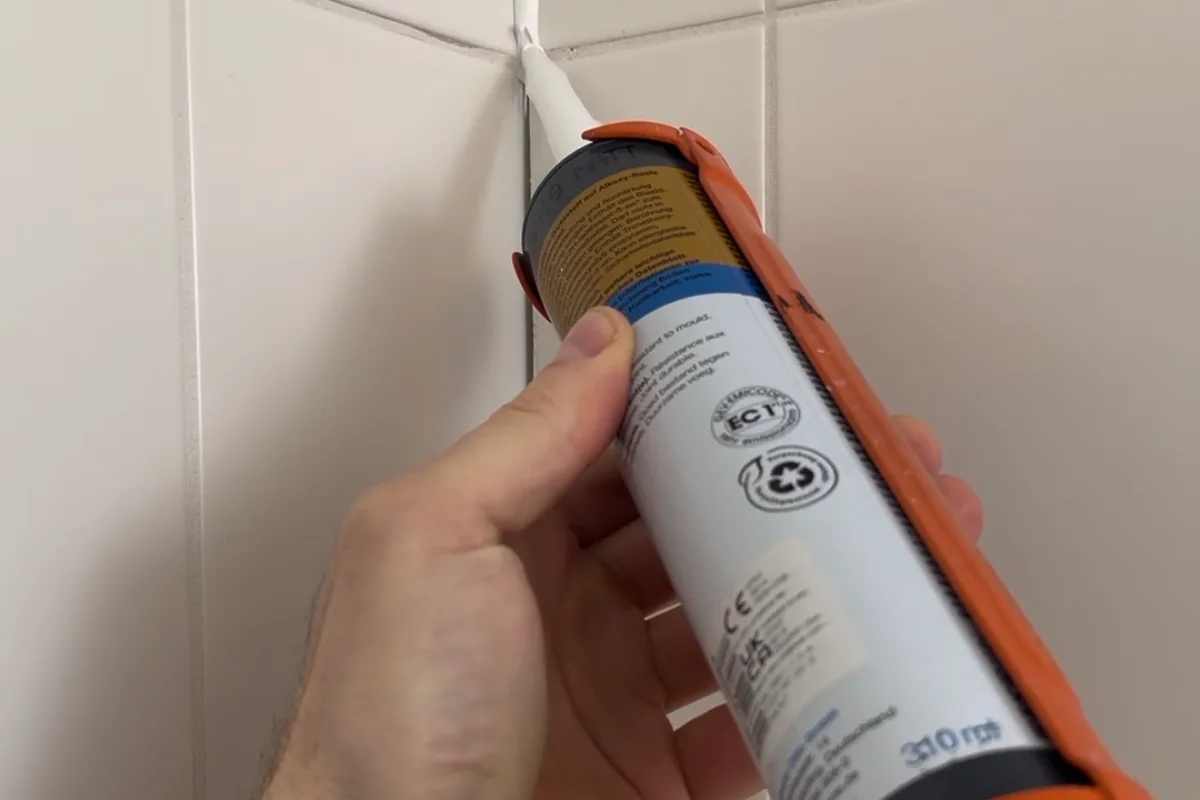
Can you paint the joint? Silicone no; acrylic yes
Paint pulls off silicone; in the shower you buy the cartridge colour, not a brush.
-
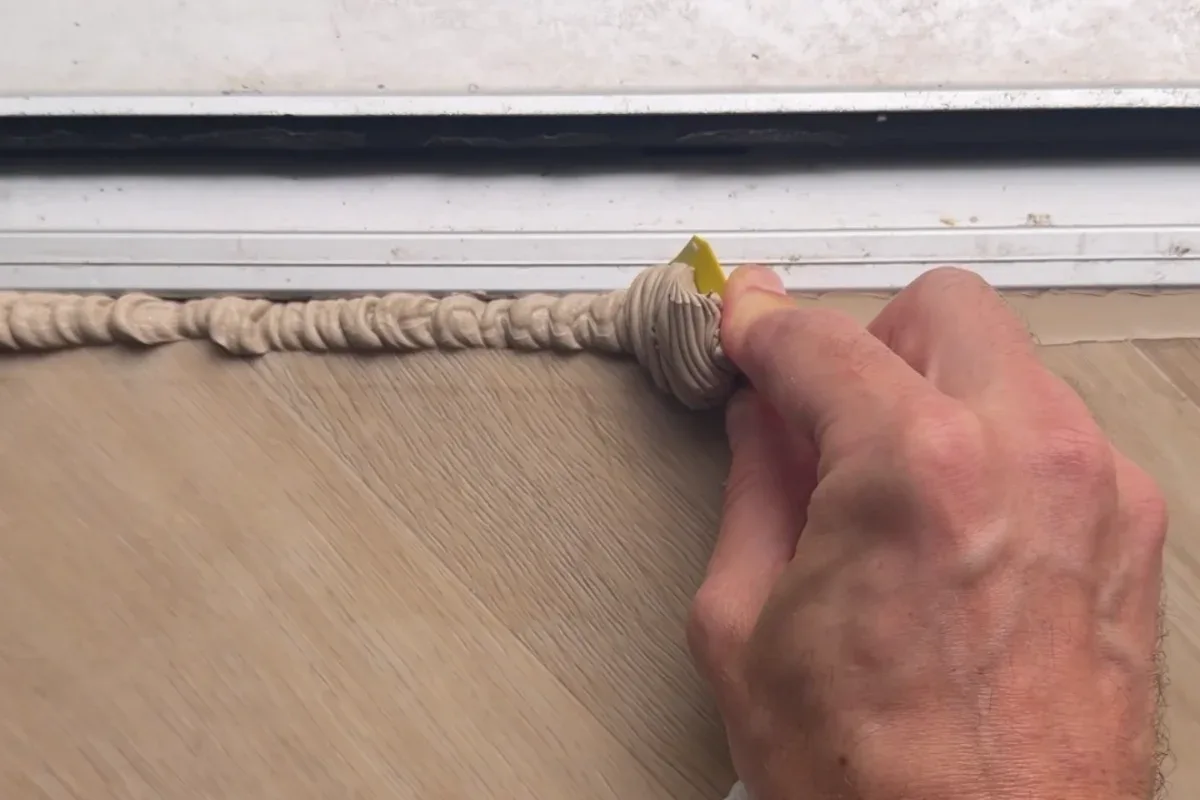
How deep the joint should be: more silicone is not stronger
Up to about 10 mm wide, depth close to width (minimum about 5 mm). Wider: limit depth with PE backer rod.
-
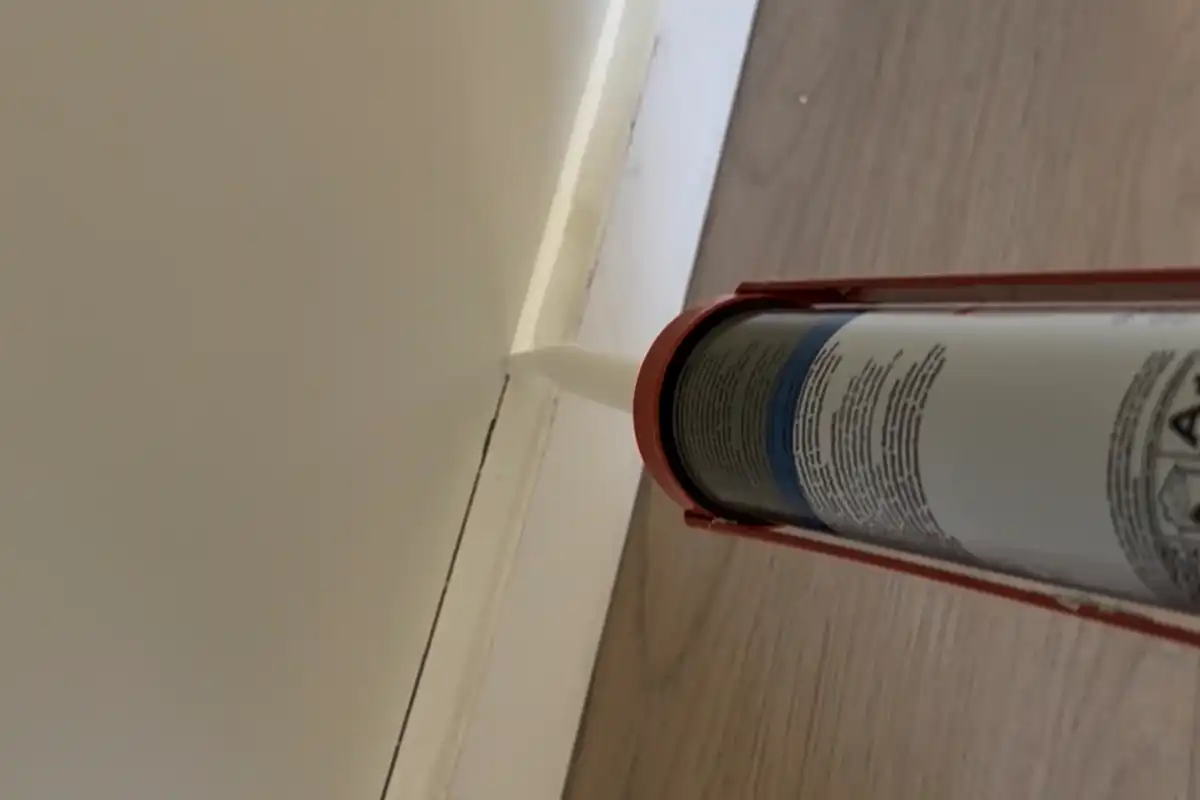
How many metres you get from a cartridge
Volume is millilitres divided by width times depth in millimetres. On paper a 310 ml cartridge at 6×6 mm is about 8.6 m; on site you lose some to tooling.
-
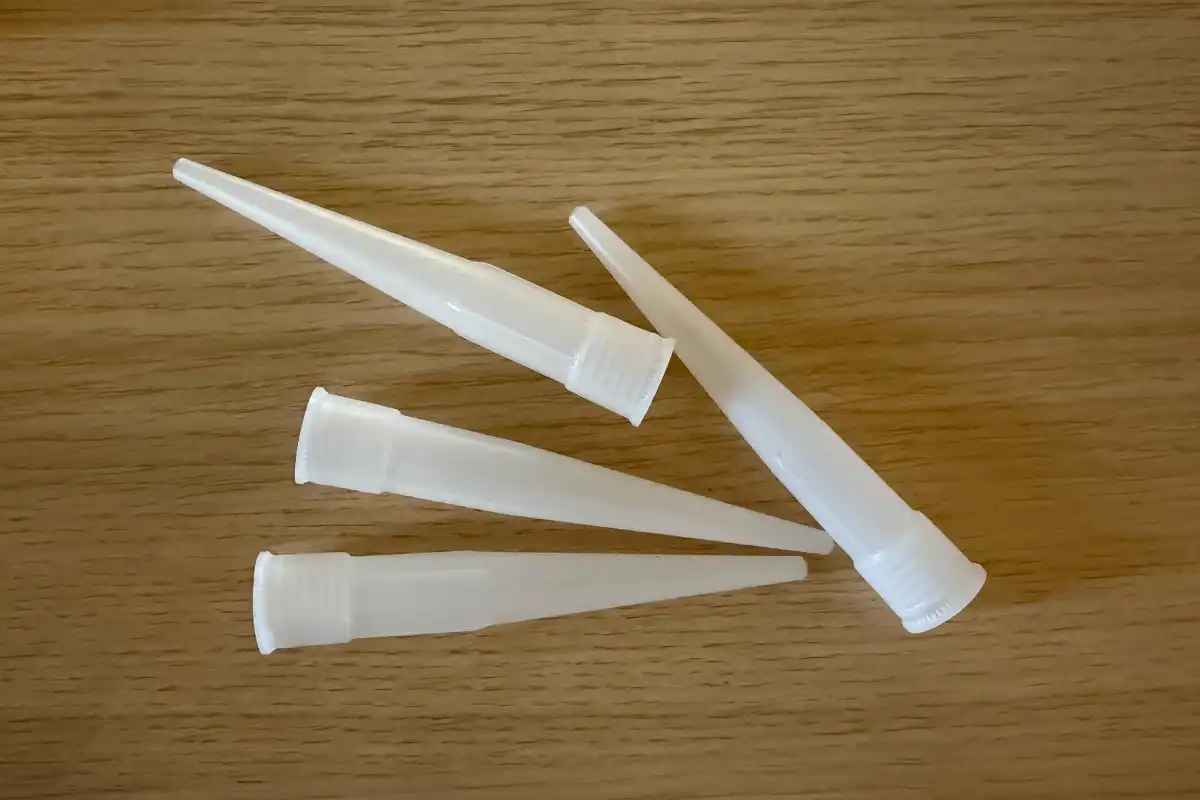
How wide a silicone joint can be
In a bathroom the useful range is usually 5–15 mm; under that there is no body, and beyond about 20 mm it is no longer a cartridge job.
-

Seal first, paint second: ceiling corners
Without paintable acrylic in the internal corner, plaster shows a saw edge and the house movement opens a crack. Seal, wait, then paint.
-
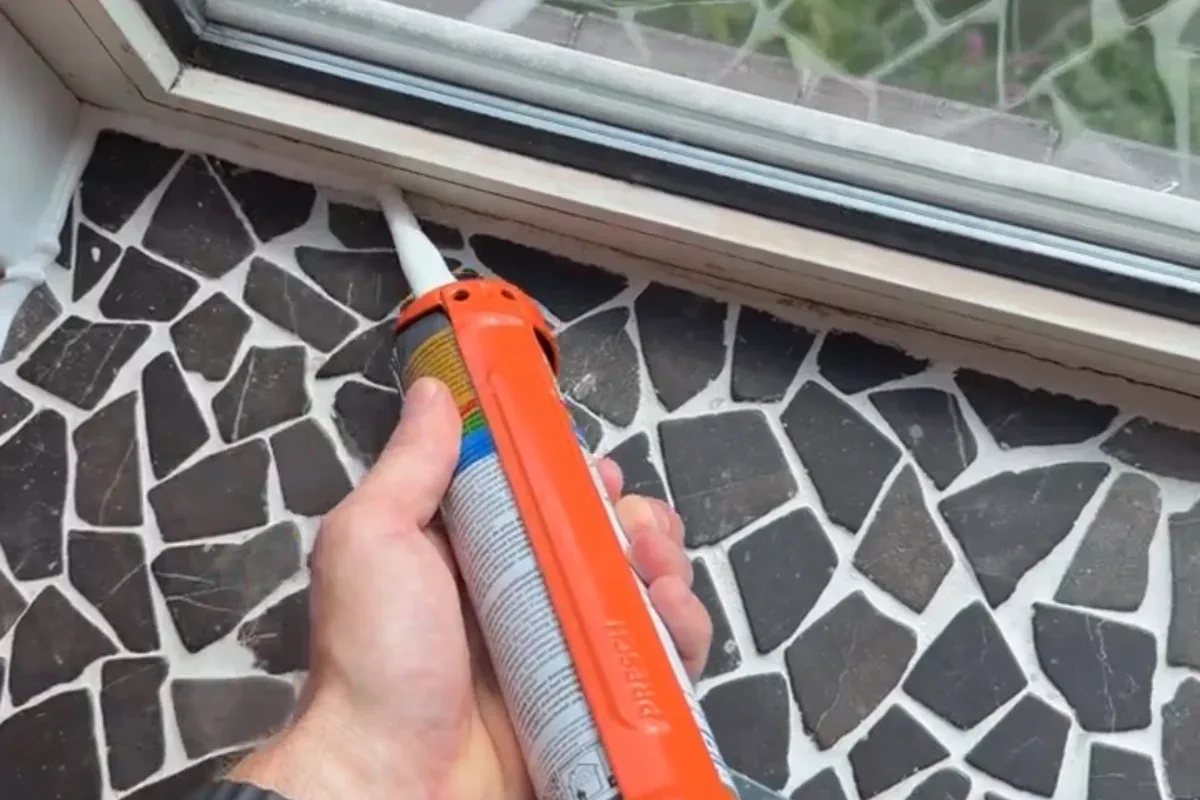
Sealing outdoors: rain, sun and movement — not a bathroom tube
Interior acrylic washes off in the rain. Cheap bathroom silicone is not built for UV and frost.
-
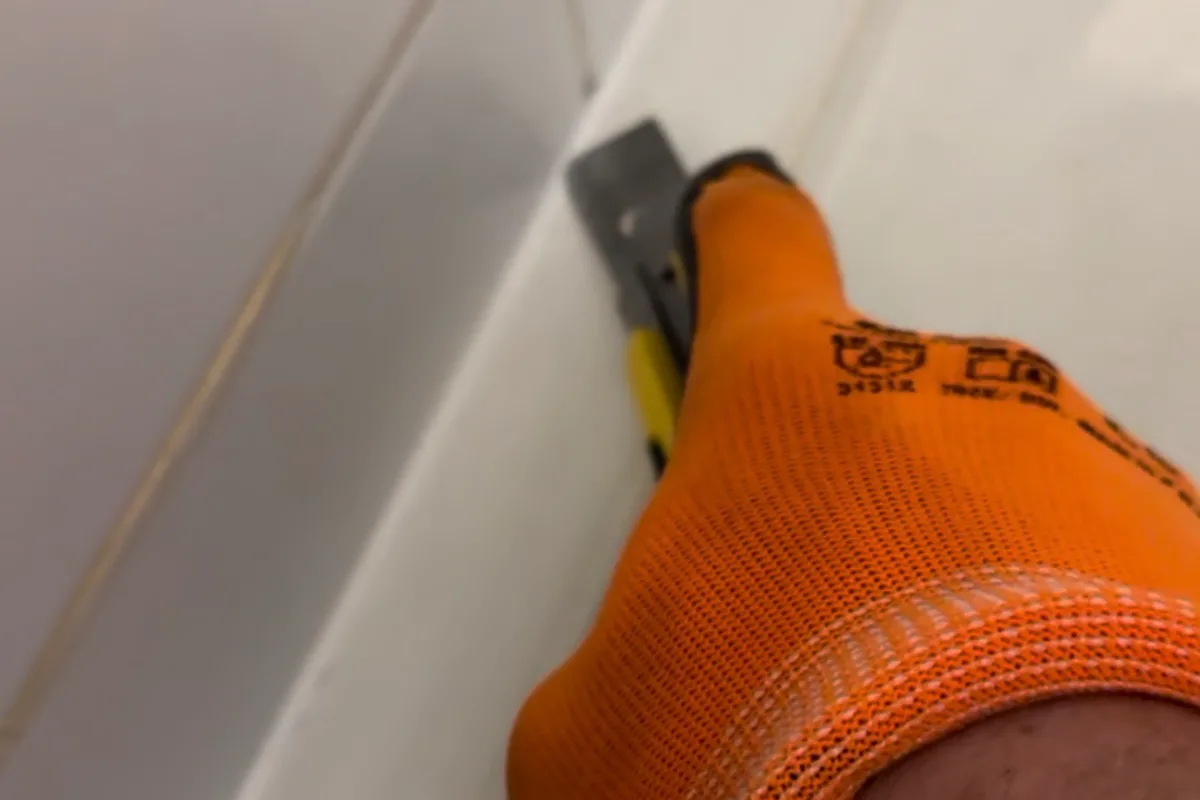
Silicone or acrylic: they are not interchangeable
Acrylic in the shower softens and washes out; silicone on the skirting will not take paint: pick the cartridge for water or for paint.
-
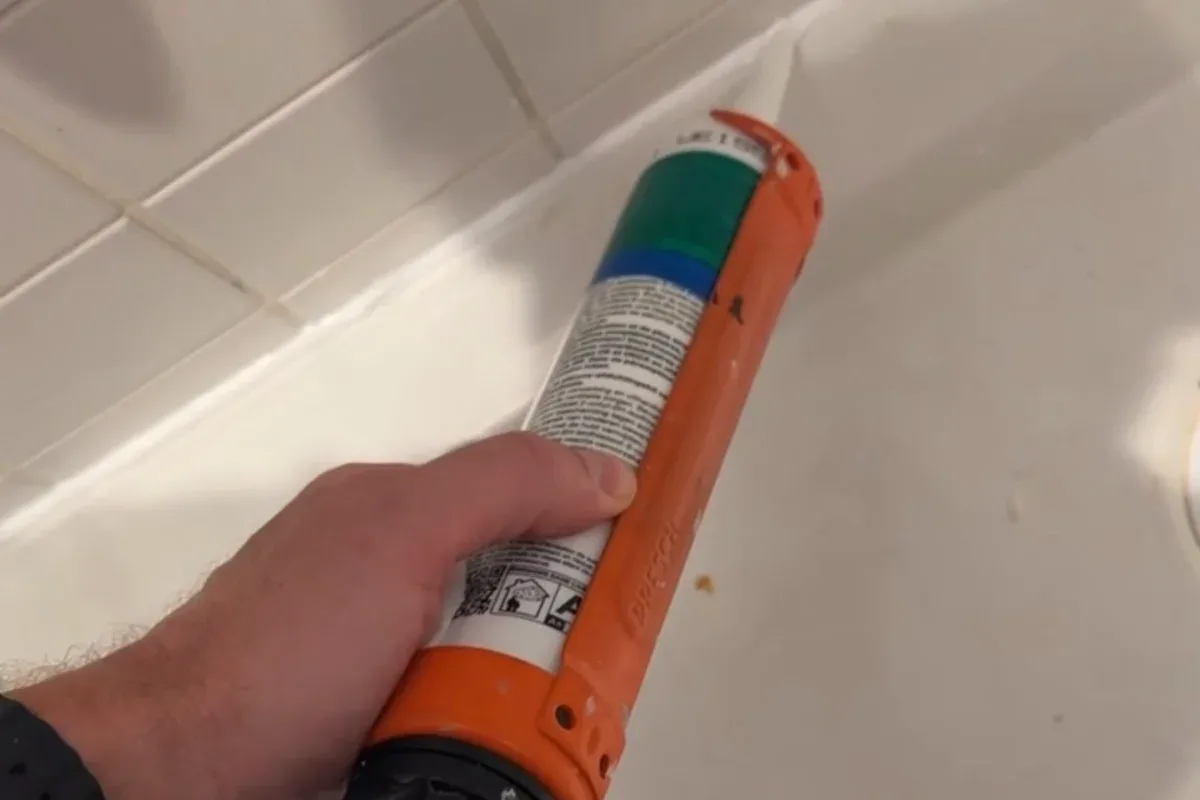
Three-sided adhesion: why a “full” joint tears
If the silicone bonds to both flanks and the back, it cannot stretch; backer rod or bond-breaker tape frees the third face.
-
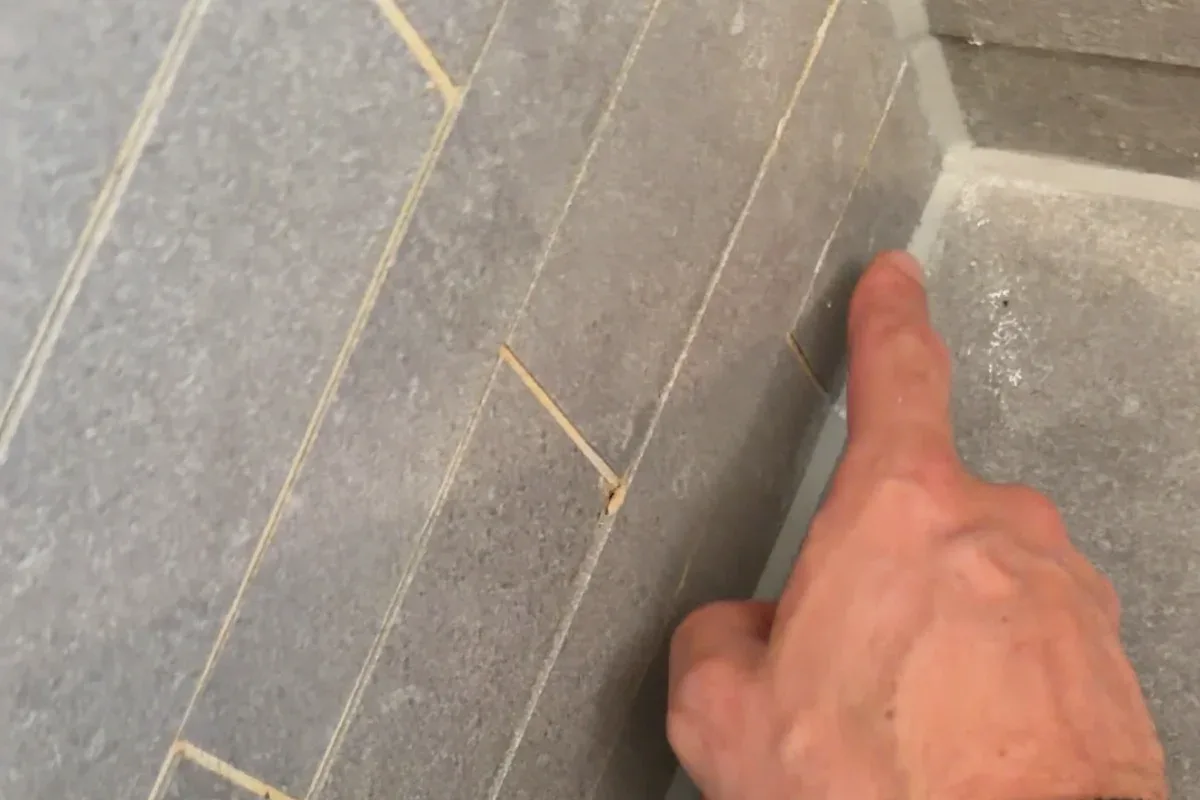
When you need primer (and when it gets in the way)
It is not a universal booster. Porous and hard-duty spots sometimes yes. Clean glass and tile, often no.
-
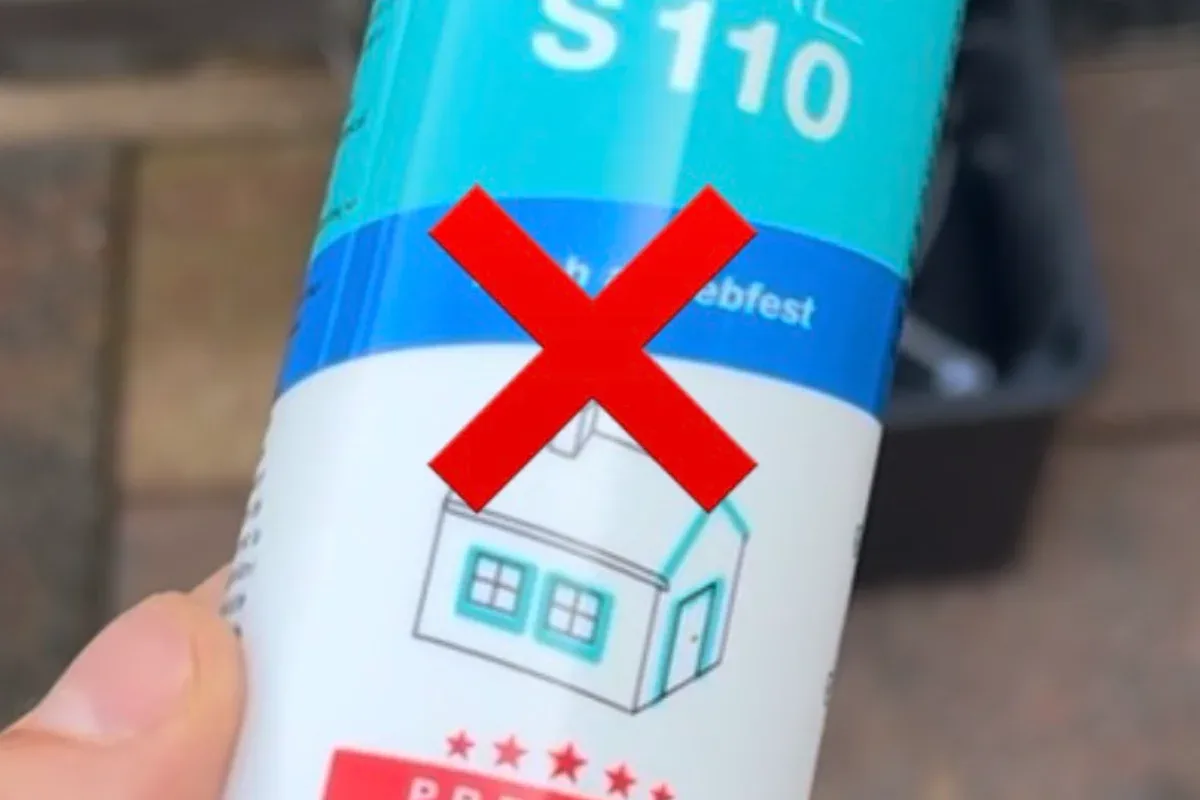
When you should not seal (yet)
A damp substrate, a loose tile or covered mould: silicone locks the problem in and vapour pushes the bead off.
-
Why silicone peels: adhesion, primers and a clean substrate
If the bead peels leaving the tile clean, it never bonded. Greasy household cleaners, damp faces and skipped primer are the usual reasons.
-
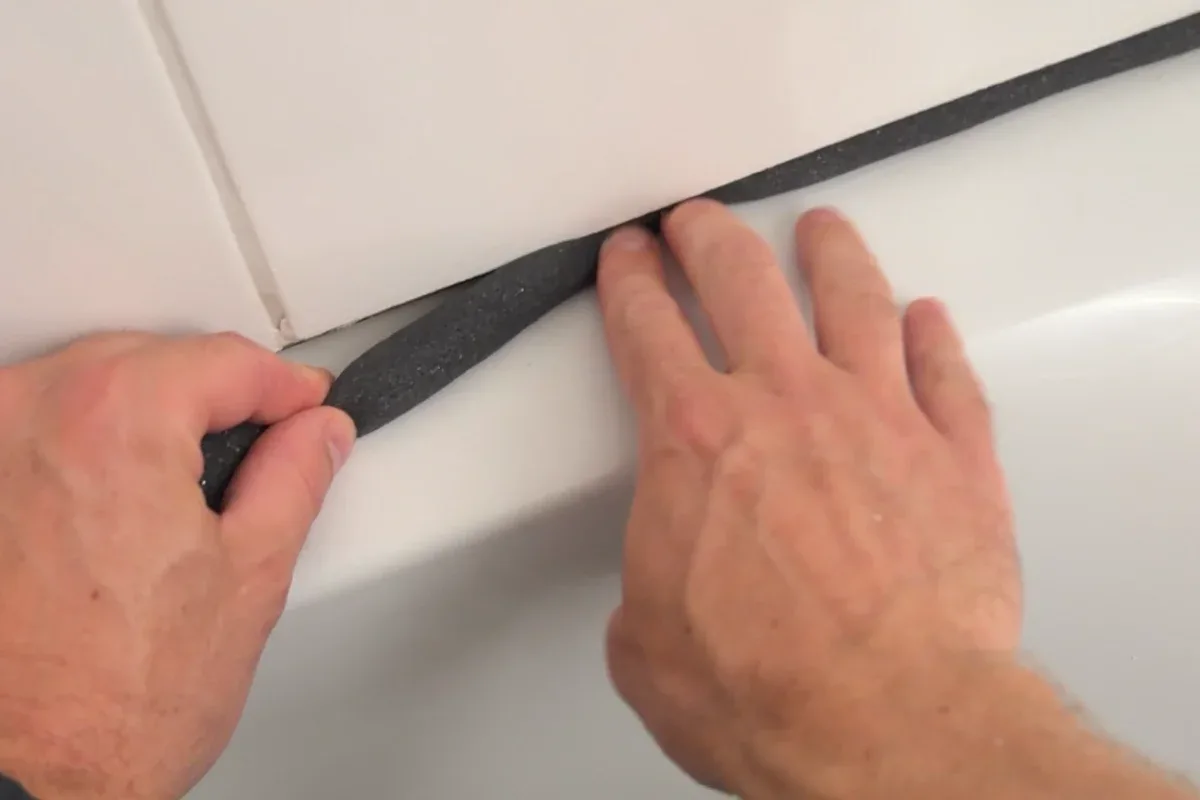
Why there is backer rod behind a sealant joint
Closed-cell PE rod sets depth and stops the bead bonding to the back, so the joint can stretch on two faces.
-
Windows: paint inside, weather outside
Interior: paintable acrylic or hybrid, tighter to air than outside. Exterior: façade-grade neutral silicone or hybrid.