
How many metres you get from a cartridge
Volume is millilitres divided by width times depth in millimetres. On paper a 310 ml cartridge at 6×6 mm is about 8.6 m; on site you lose some to tooling.
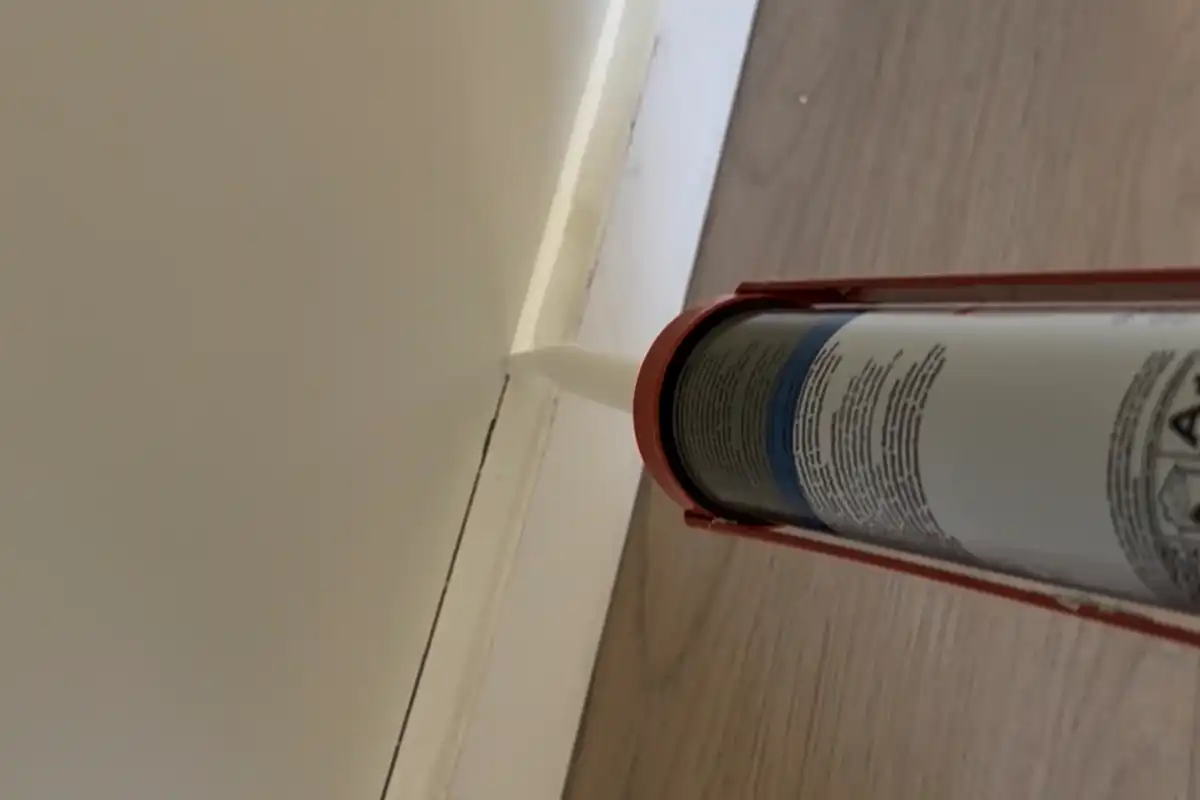
Metres ≈ cartridge ml ÷ (width mm × depth mm). A 310 ml tube at 6×6 mm is about 8.6 m before waste. Allow a loss for tooling, check the real fill on the cartridge, and do not pack deep voids with silicone.
The sum, then the site
A cartridge is a volume. A joint is a rectangle (more or less) of width times depth. Divide one by the other and you have theoretical metres:
metres ≈ millilitres ÷ (width in mm × depth in mm)
A common 310 ml sanitary cartridge at a 6×6 mm bathroom joint is about 8.6 m on paper. That is geometry, not a brand promise. If you print 4×4 mm you get roughly 19 m; 8×6 mm about 6.5 m; 10×10 mm about 3.1 m; 15×10 mm about 2 m. The numbers fall off a cliff as soon as the joint gets fat.
Some DIY tubes hold less than 310 ml. Read the print. A “cheap” cartridge that is 280–300 ml is simply a shorter stick.
Why the calculator lies
If you smear a thin skin, you “save” silicone and get a weak joint that peels. If you pack the joint properly to both flanks, you use the volume the sum assumed. Tooling then pulls a ribbon of waste onto the spatula. A generous nozzle dumps even more on the tile face. I treat about 10–20 % loss as a working allowance, not a laboratory figure. If the sum says you land exactly on one cartridge, buy a second. Stopping mid-run to change tubes leaves a lump that you will see in raking light — often on the vertical shower corner.
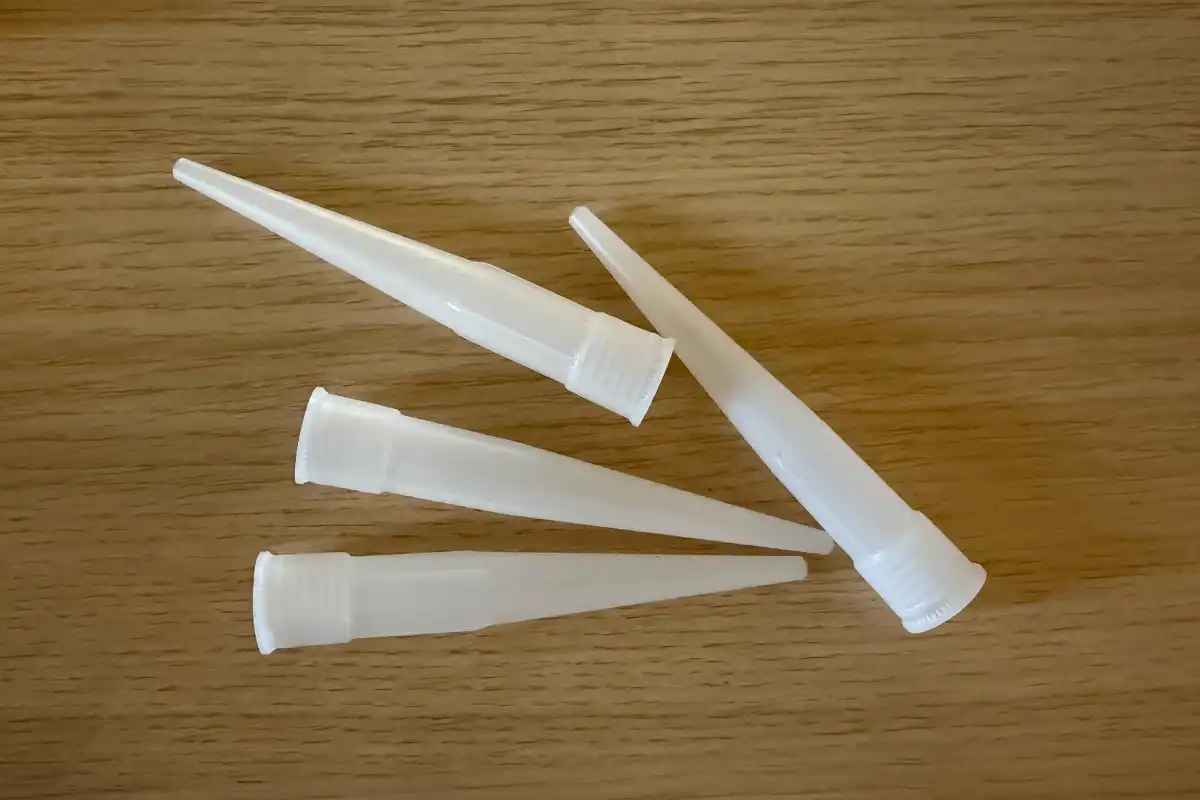
Cut the nozzle to the joint width, not wider. A gaping spout is a waste machine.
Deep gaps are not a silicone well
A joint deeper than about 10 mm should not be filled solid. Closed-cell PE backer rod sets the depth, gives two-sided adhesion, and stops you pouring a cartridge into a cavity. Packing a 20 mm well with silicone wastes money and overloads the joint. Consumption without backer can multiply on a deep meeting; the quality does not.
Cheap silicones extended with solvents can shrink as they cure, so the wet metres you bought are not the cured section you keep. A high-solids sanitary silicone (I use OTTOSEAL S100 on a normal shower) holds its volume better. Still measure the joint, not the marketing.
How I count a bathroom
- Measure every shower, bath and basin meeting you will seal — verticals and the floor line.
- Measure width. Take depth as similar to width up to about 10 mm; beyond that, limit silicone depth with backer rod.
- Run the formula. Multiply by a waste factor so you are not empty on the last metre.
- Plan whole runs from one cartridge where you can.
A compact shower enclosure might be on the order of several metres, not a mystery. A full bathroom renovation is usually more than one tube. A round basin is circumference, not diameter: measure the actual path of the bead.
Hybrid sealant is not “more economical”. Consumption is still the hole you fill. Hybrids can feel stiffer, so people over-apply.
Exceptions
An open joint you can see through is not a 6×6 rectangle; the sum under-reads until you set backer and a real section. Leftover in a sealed nozzle can last a few weeks for a small job; it is not a spare bathroom’s worth of insurance.
What I use on this joint
-
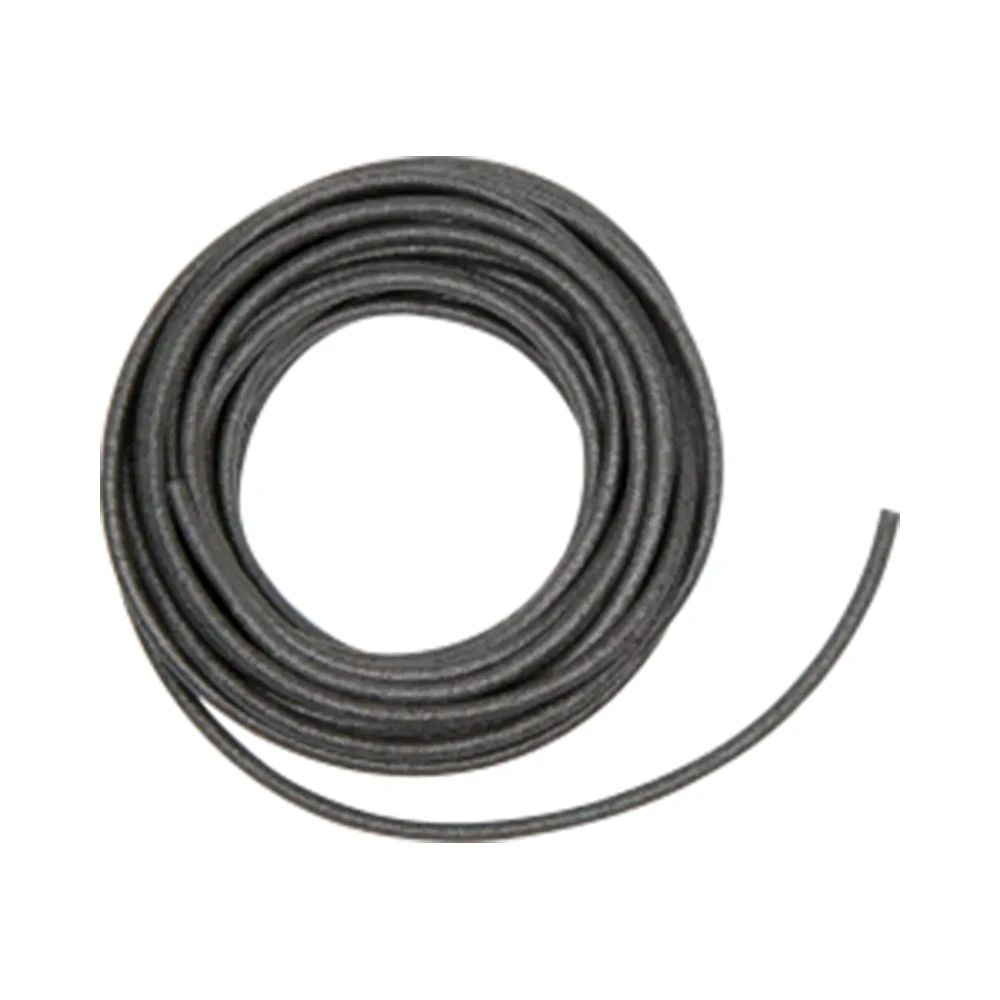
Backer rod
Closed-cell PE rod to control depth and prevent three-sided adhesion.
Backer rod Purchase link not available -
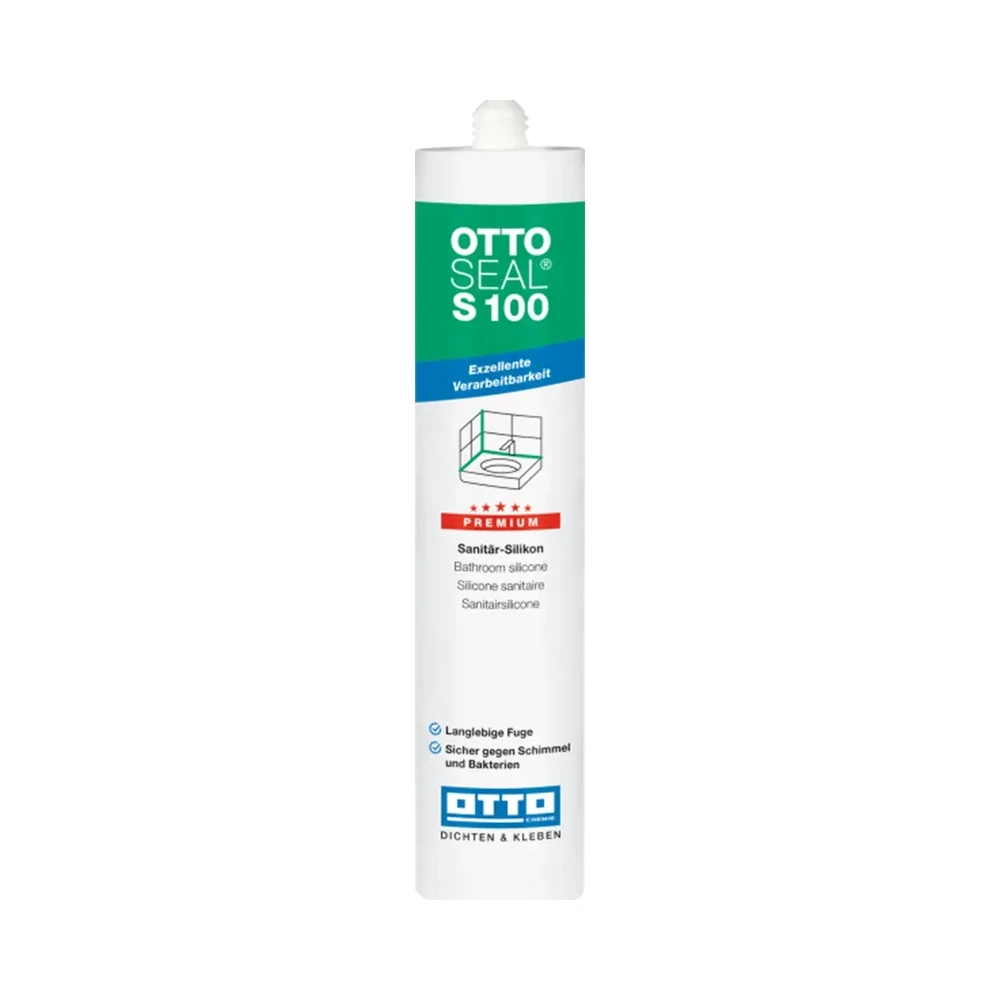
OTTOSEAL S100
The sanitary silicone I use on showers and baths. Elastic — not a staining-risk stone silicone.
OTTOSEAL S100 Purchase link not available
-
How wide a silicone joint can be
In a bathroom the useful range is usually 5–15 mm; under that there is no body, and beyond about 20 mm it is no longer a cartridge job.
-
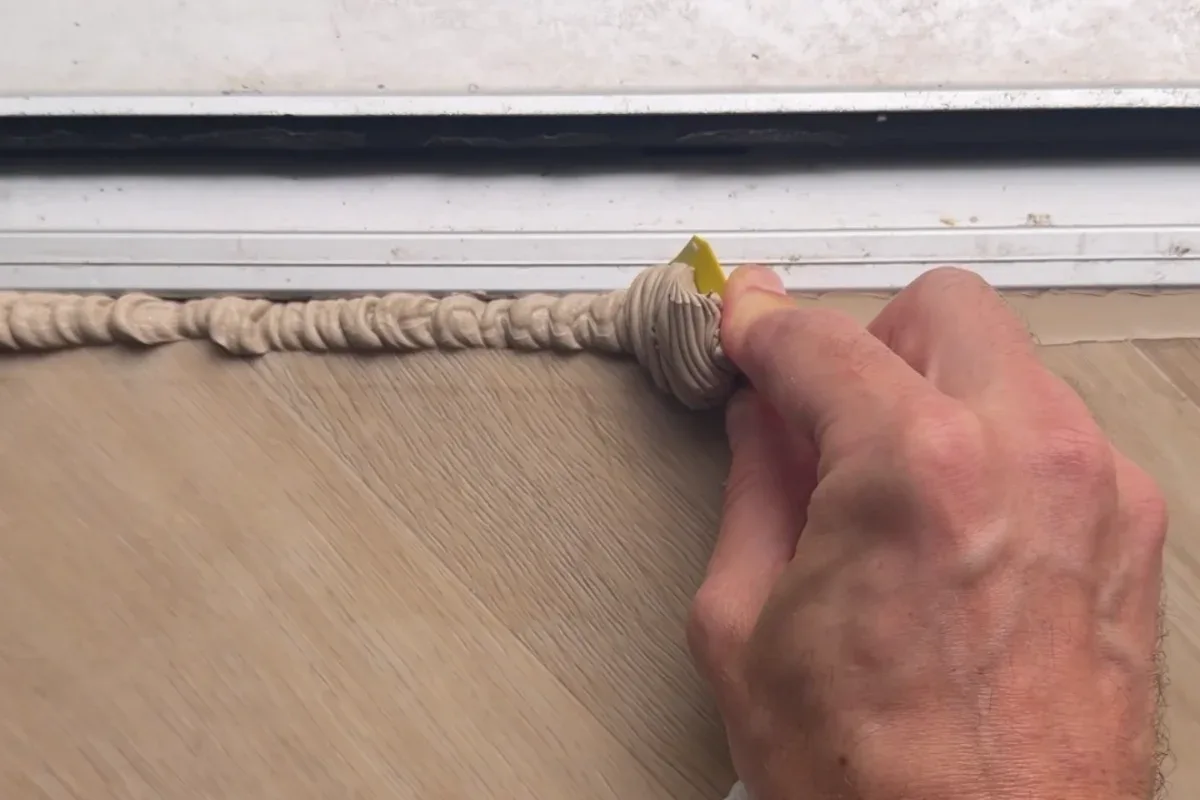
How deep the joint should be: more silicone is not stronger
Up to about 10 mm wide, depth close to width (minimum about 5 mm). Wider: limit depth with PE backer rod.
-
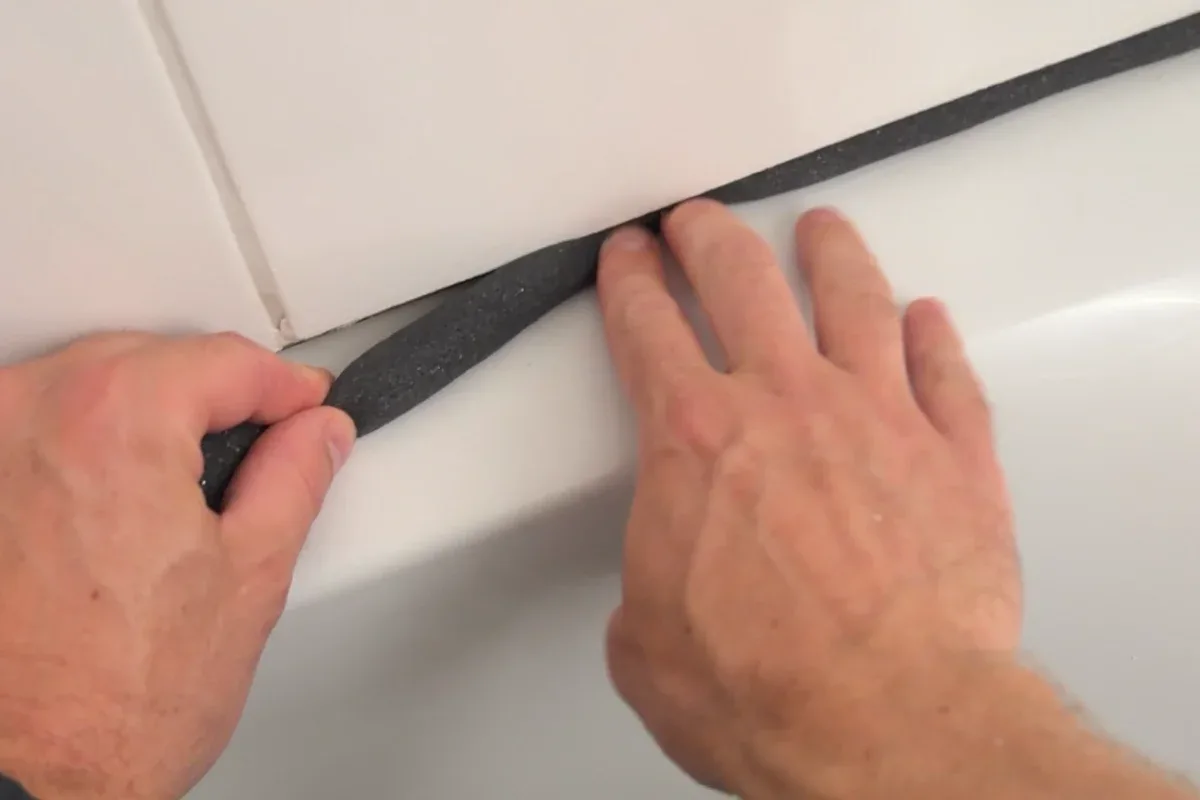
Why there is backer rod behind a sealant joint
Closed-cell PE rod sets depth and stops the bead bonding to the back, so the joint can stretch on two faces.