The silicone stays tacky: it is not “drying”
Silicone cures with moisture from the air; expired, cold, in a room that is too dry, or in a joint that is too deep, it stays paste.
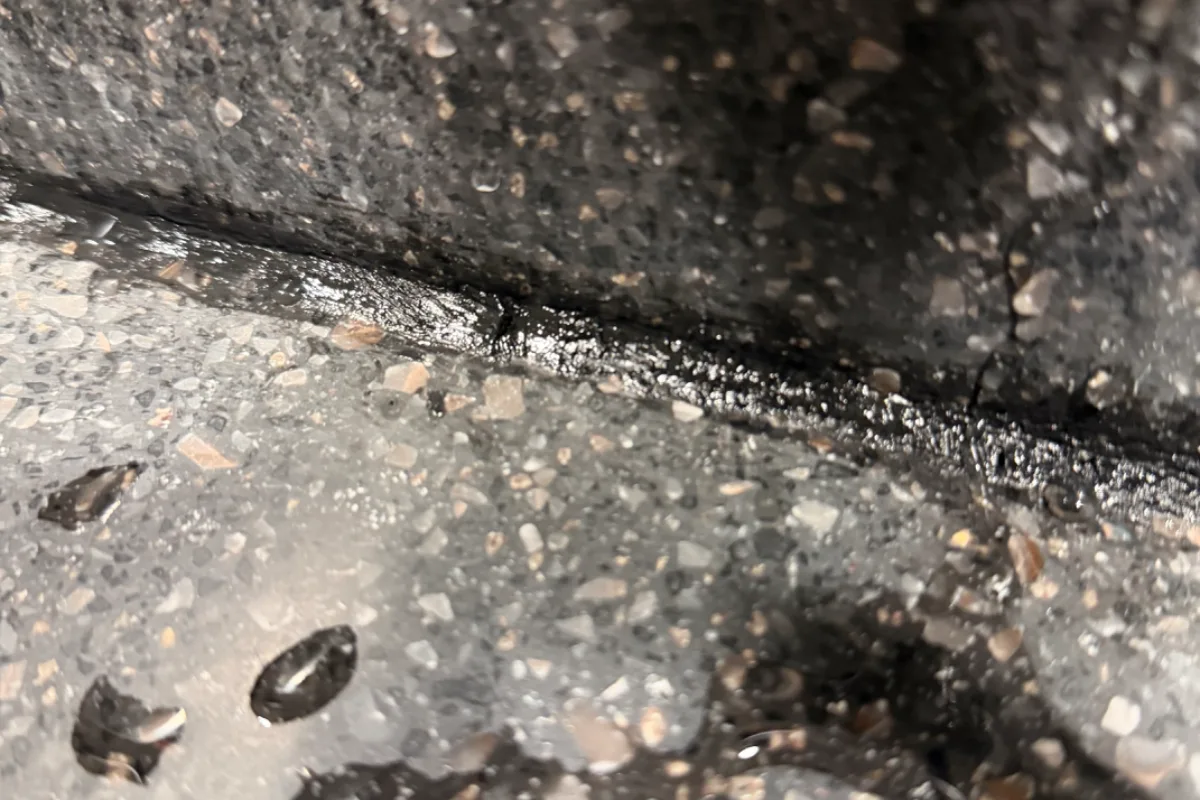
Silicone is not paint: it reacts with moisture from the air. If it is still paste or very tacky at 48–72 hours, it almost never “finishes curing”: it has to come out and go back in with a fresh cartridge and proper geometry.
Curing is not drying
Acrylic loses water and goes hard. Silicone reacts with air moisture, from the outside in. If humidity is missing, it is too cold, the cartridge is dead, or the bead is a 15 mm sausage with no backer, the core stays paste.
As a rule of thumb, in typical lab conditions (about 23 °C and 50 % relative humidity) you hear 2 to 3 mm per 24 hours. A normal bathroom joint can often take light wetting after a day; full cure takes longer. That is not a promise for every cartridge.
When to wait and when to rip it out
Wait at 10–15 °C: it simply goes slower. Raise the humidity a little if you are in a new build with dehumidifiers roaring: silicone needs water vapour. Warm the room towards 18–20 °C if you sealed near 5 °C.
Do not wait if it is still liquid or extremely tacky at 72 hours. At four days, it comes out. Do not use a hairdryer: heat does not cure it properly and can spoil adhesion.
Poke with a cocktail stick. Hard skin and a liquid core in a fat bead: sometimes only geometry and patience. The whole mass soft: cartridge or climate.
The cartridge and the depth
Check the date, often on the skirt or the nozzle. At 12–18 months, even unopened, the cross-linkers tire. Paste comes out, but the molecules will not join. If oil appears before the mass, it is dead.
With no backer rod, a deep meeting never sees air at the core. Months of paste in the middle, and three-sided adhesion as well.
How to do it again
Take it all out. A scraper and a silicone remover for the greasy film; leftover residue makes the new bead fail too. Do not shoot over the tacky layer: a useless sandwich.
Fresh cartridge — I go back to OTTOSEAL S100 or S110 depending on the substrate — PE backer, clean faces. Keep cartridges at room temperature in winter; an ice-cold tube in a cold bathroom reacts poorly.
Mistakes
Washing-up liquid by the cupful when tooling: acids and dyes that leave the skin tacky and dirty. Neutral finisher.
Harsh bleach on silicone already in: sometimes it breaks the surface and leaves it soft. That is not a “clean”: it is a replacement.
What I use on this joint
-
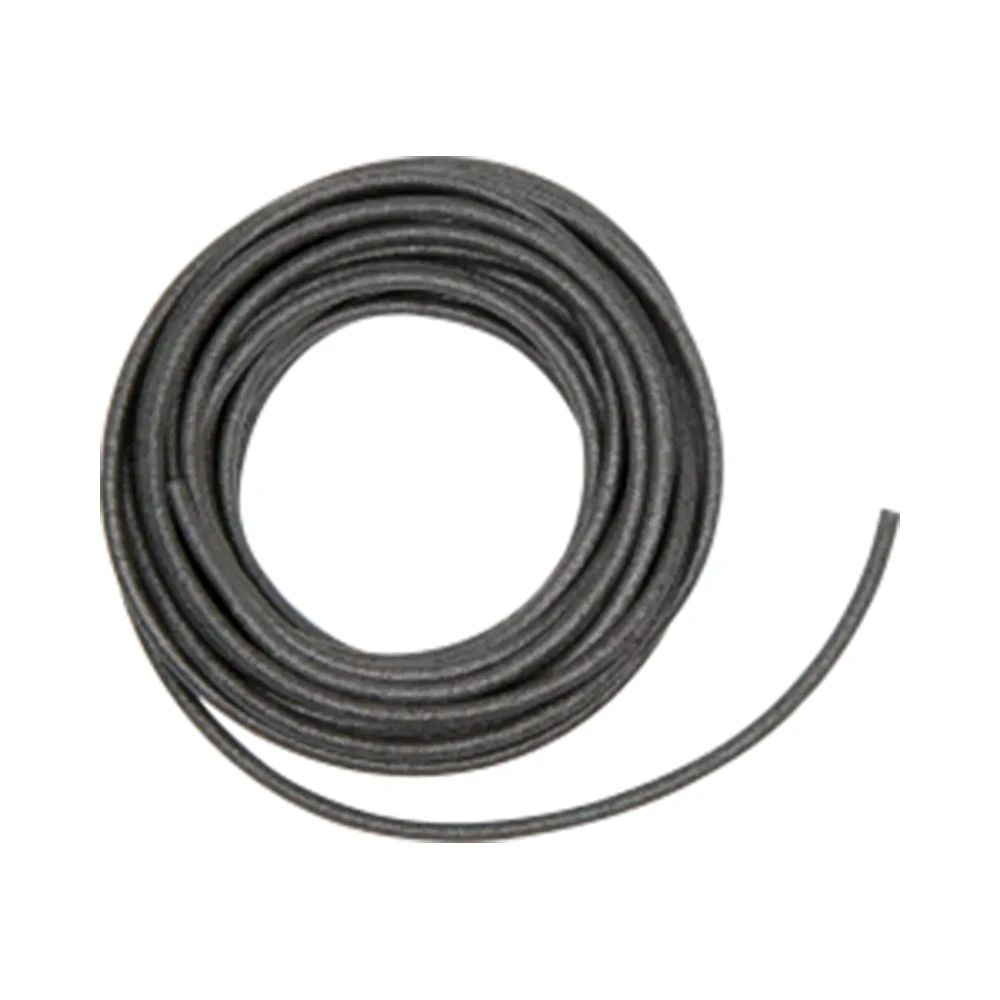
Backer rod
Closed-cell PE rod to control depth and prevent three-sided adhesion.
Backer rod Purchase link not available -
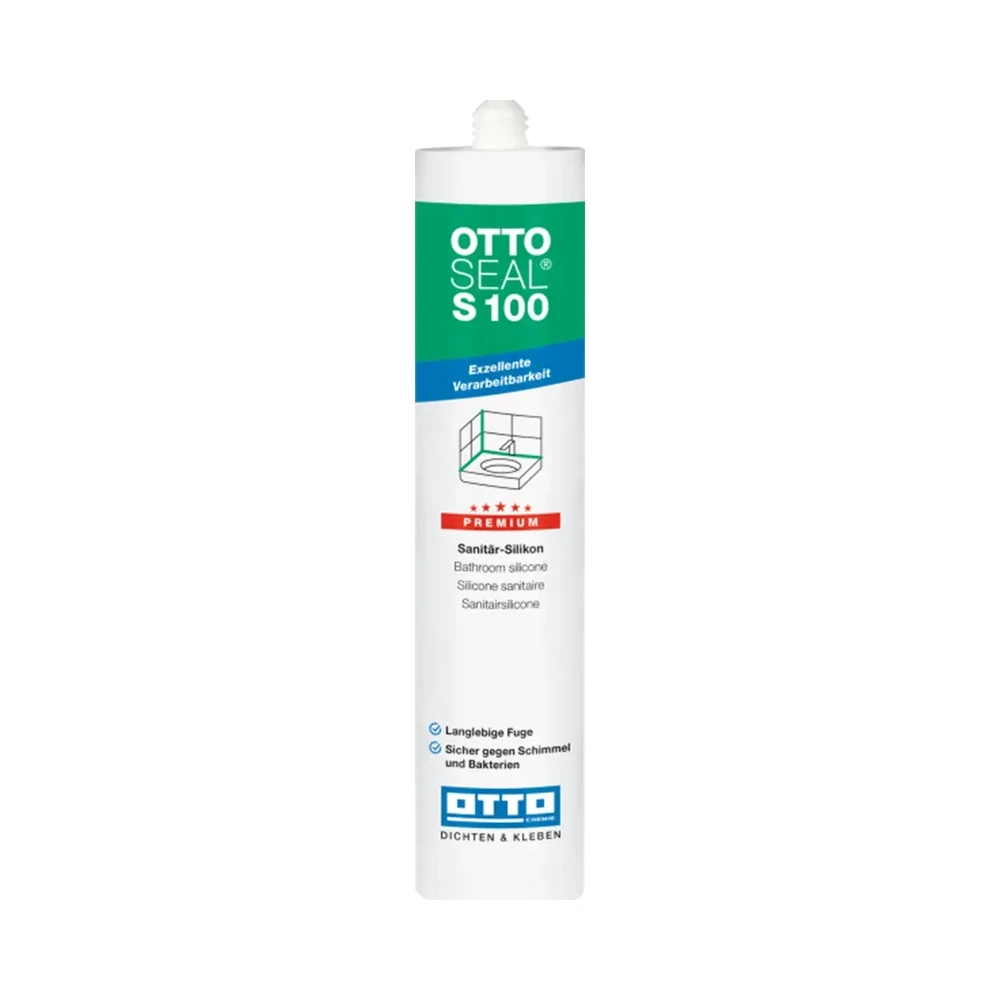
OTTOSEAL S100
The sanitary silicone I use on showers and baths. Elastic — not a staining-risk stone silicone.
OTTOSEAL S100 Purchase link not available
-
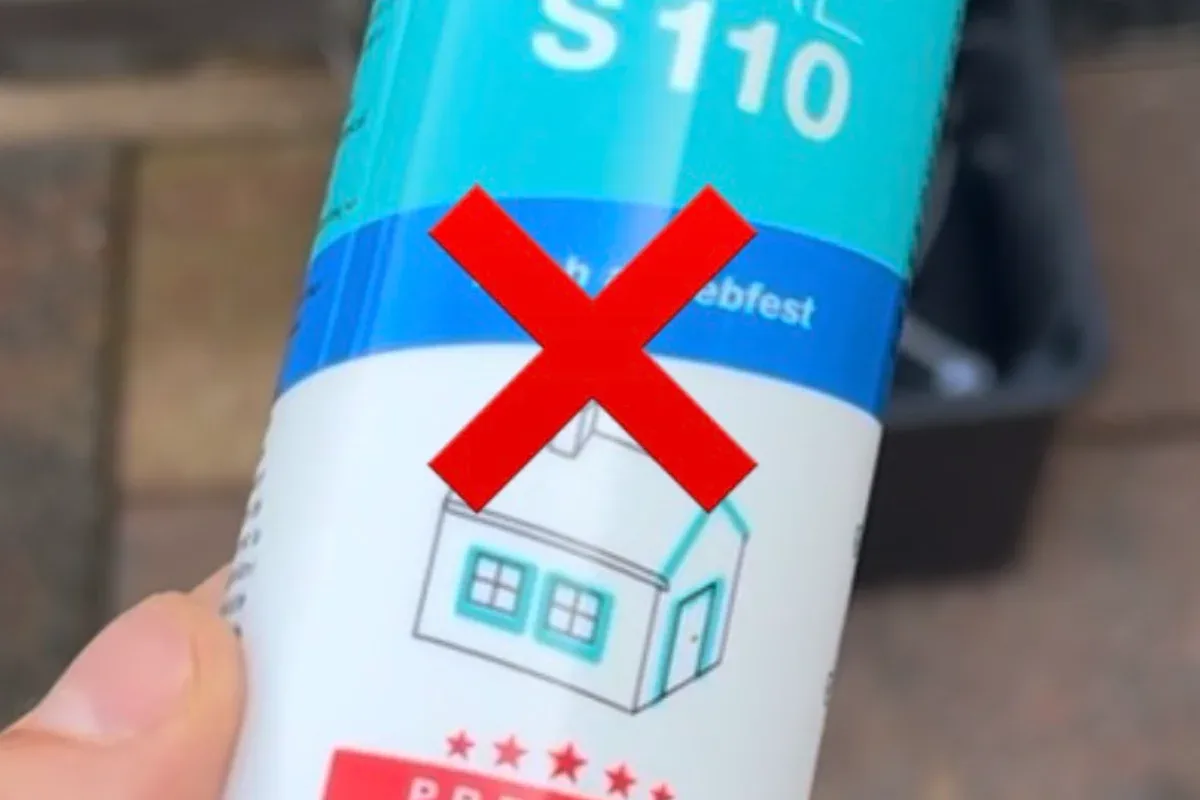
When you should not seal (yet)
A damp substrate, a loose tile or covered mould: silicone locks the problem in and vapour pushes the bead off.
-
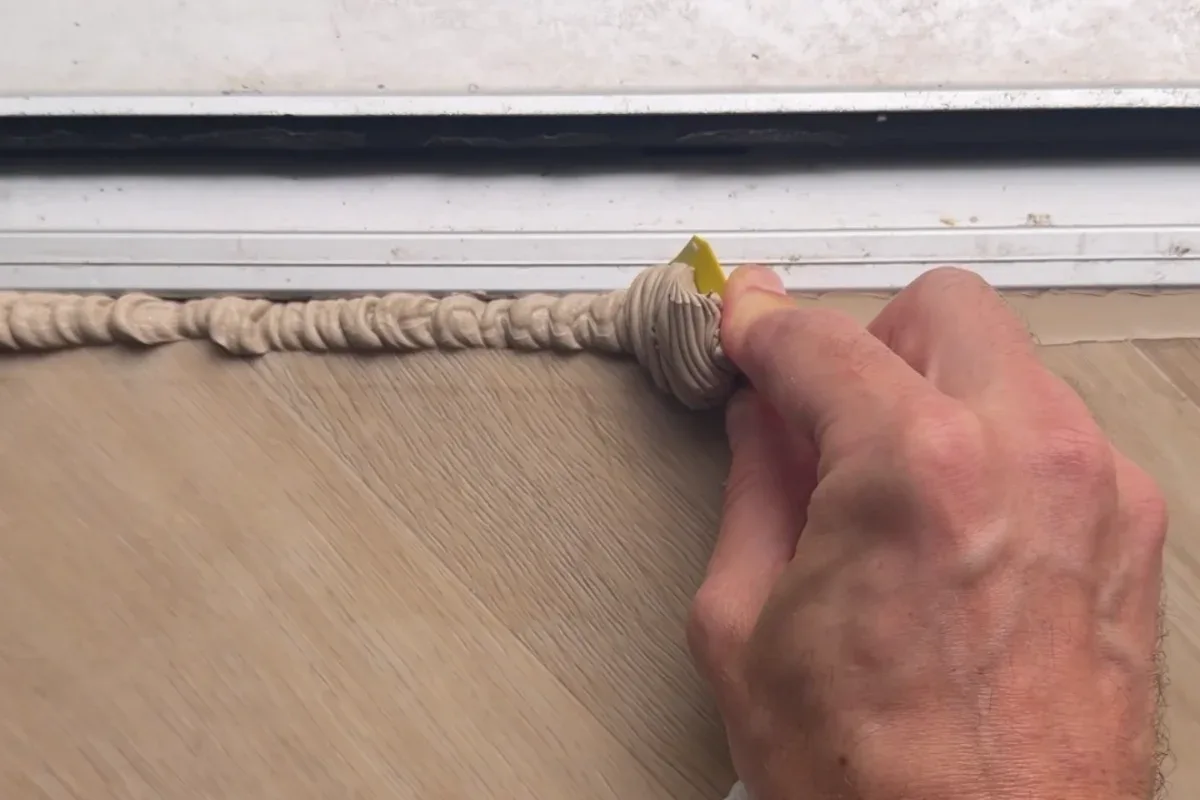
How deep the joint should be: more silicone is not stronger
Up to about 10 mm wide, depth close to width (minimum about 5 mm). Wider: limit depth with PE backer rod.
-
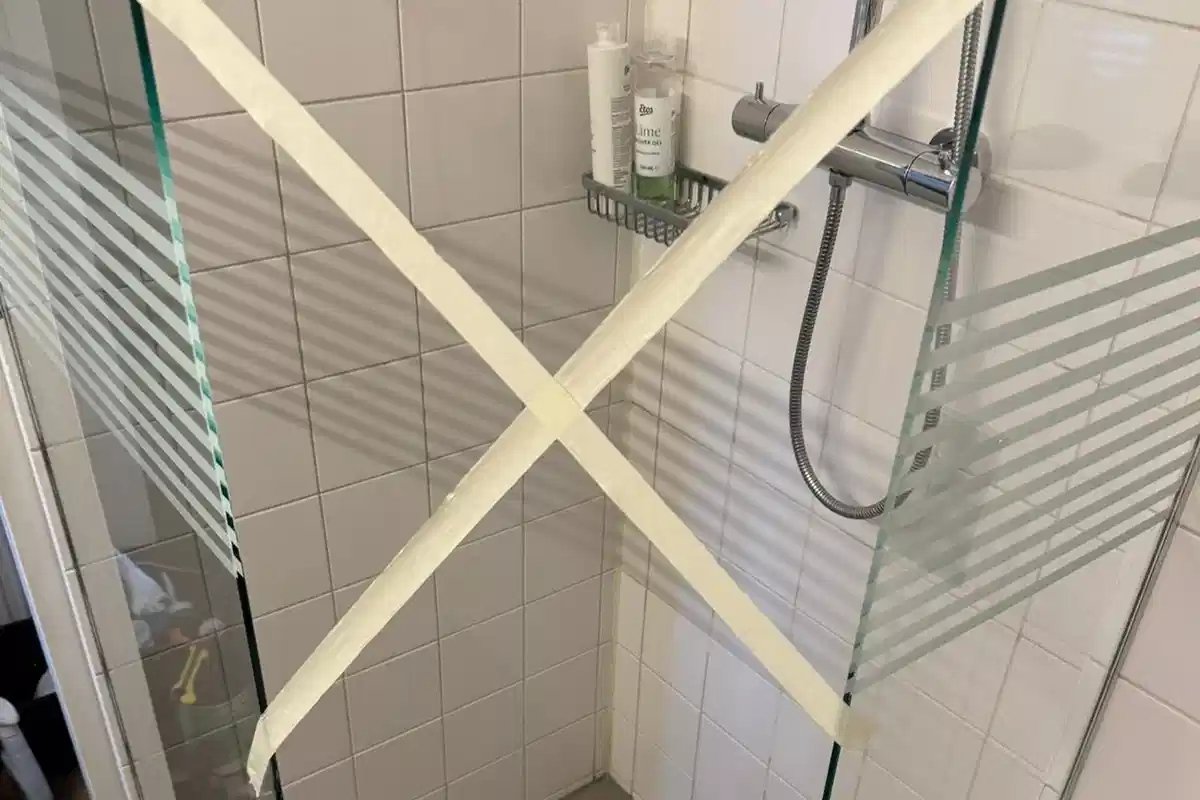
When can I shower after applying silicone?
Skin-dry is not a full cure. Wait until the joint has cured through, not just until it feels dry to the touch.